
Most outdoor gear shops have over 15 filters just for outdoor footwear categories. About half are marketing distinctions, but the core types exist for a reason: wearing trail runners on scree is how you roll ankles, and leather boots in summer heat is how you destroy feet.
Day hiking the Smokies needs different footwear than scrambling talus in the Winds. Salomon fits nothing like Asolo. “Waterproof” means different things depending on membrane versus leather treatment.
I’ve tested enough boots to know expensive doesn’t mean better, and lightest isn’t always smartest. What matters is matching boot architecture to your actual terrain and load weight. Let’s see how that works.
Hiking Boots
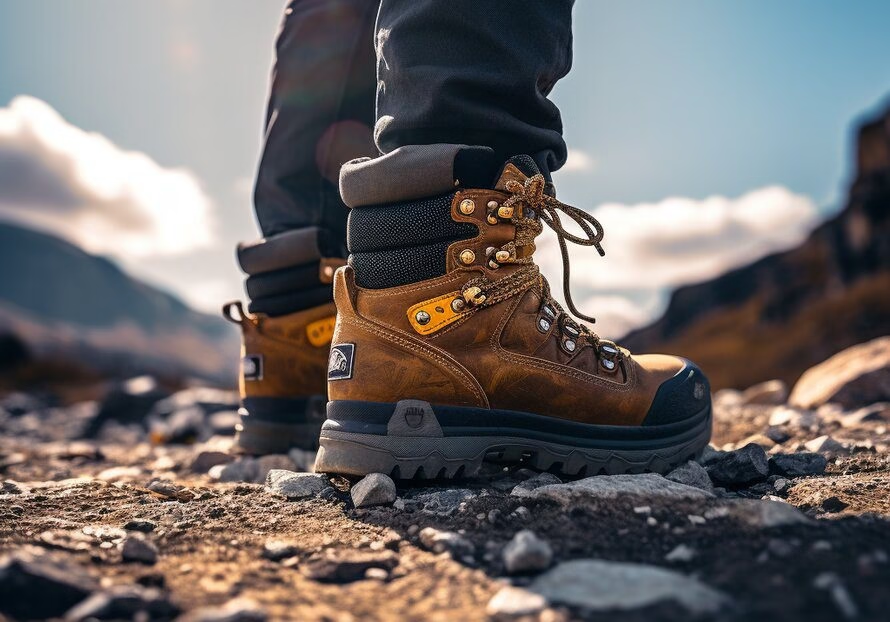
Hiking boots are a key type of outdoor footwear designed for rough terrain and provide strong ankle support than regular shoes. This type of hiking footwear is what you need if you’re planning a serious hiking adventure and carrying a 40-pound18 kg pack.
Features
- Upper materials: Full-grain leather, nubuck leather, synthetic leather, mesh panels
- Sole construction: Vibram rubber outsoles, EVA midsoles, shank support
- Height: Mid-cut to high-cut ankle support
- Weight range: 1.5-3.5 pounds0.7-1.6 kg per pair
- Waterproofing: Gore-Tex, eVent, proprietary membranes
Types of Hiking Boots
There’s a hiking boot pair for every scenario, from durable mountain hiking boots to flexible trail running shoes and supportive backpacking boots, but knowing which outdoor footwear fits your needs is the key to staying both comfortable and protected. One important aspect to look at is how much hiking boots weigh, but there are other criteria to consider as well.
Lightweight Day Hiking Boots
Let’s start with the basics. Every hiker dreams of a pair of boots that won’t drag them down. Thankfully, we have lightweight models like Merrell Moab 3 Mid Waterproof that feel more like trail runners but protect your ankles as well. Day hiking boots come with synthetic or mesh uppers and have slimmer, more flexible soles that keep their weight at about 1.5-2 pounds0.7-0.9 kg per pair.
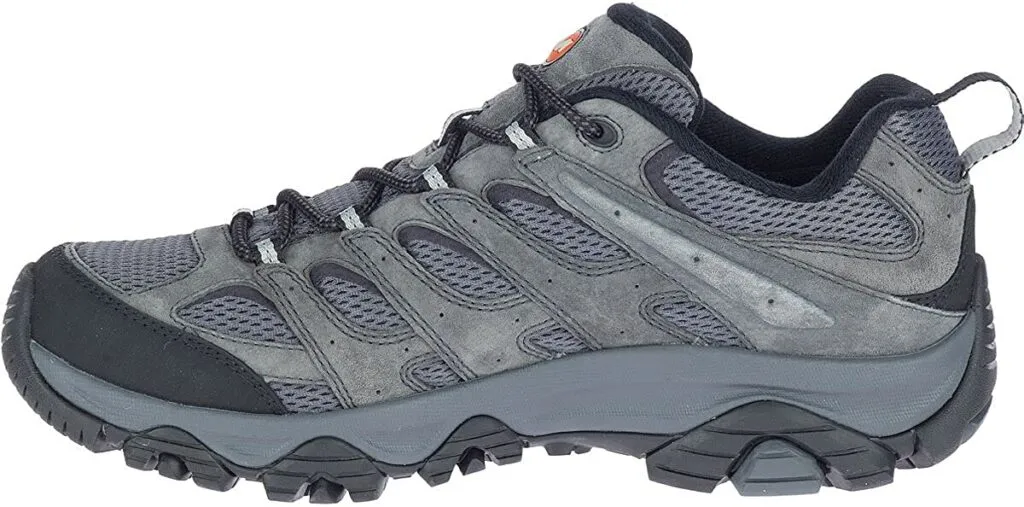
They are comfortable, breathable, and since they are made with synthetic materials, there’s usually no breaking in. On the other hand, they are less resistant than leather models and offer good support only on light trails. Choose them for day hikes when you’re carrying a light backpack.
I also include barefoot hiking boots in this category. As the name says, these have no padding, so you can feel every twig or rock you’re stepping on. Some like this, but you need some practice, or you’ll end up with blisters.
Related article: Lightweight Day Hiking Boots
Traditional Hiking Boots
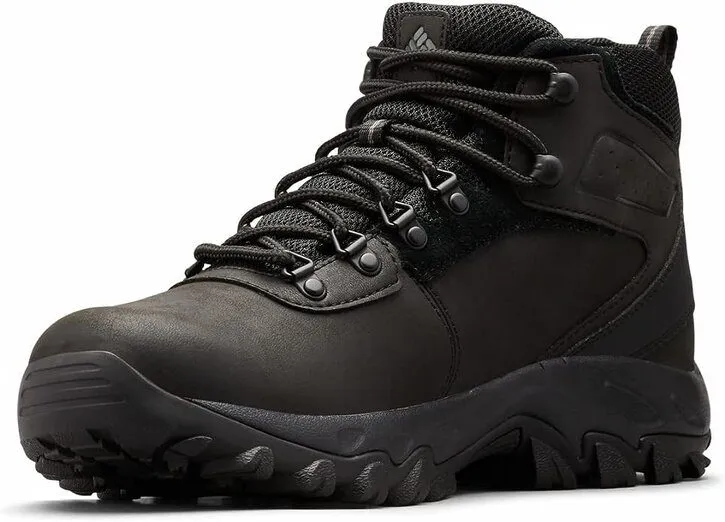
Full leather, high ankle, built for hauling weight over rough ground. Boots like the Columbia Newton Ridge Plus II Waterproof run 2.5 to 3.5 pounds1.1 to 1.6 kg per pair, heavy compared to modern synthetics, but that heft comes from construction meant to handle serious loads on multi-day trips.
The catch is break-in. Leather needs time to soften and shape to your foot, which means weeks of shorter walks before you commit to anything remote. Painful sometimes, tedious always. But once you’re through it, the ankle support under a 40-pound18 kg pack is unmatched, and a well-maintained pair lasts years longer than the lightweight alternatives.
I have a guide on making break-in less brutal if you go this route.
Waterproof Hiking Boots
Skip waterproofing in summer. I know it sounds wrong when there are streams to cross, but wet feet dry fast in warm weather, and Gore-Tex turns your boots into a sauna. You’ll end up with soaked socks from sweat instead.
Different story when it’s cold out. Rain plus low temperatures is where hypothermia sneaks up on people. Being wet drops your core temperature faster than most hikers expect.
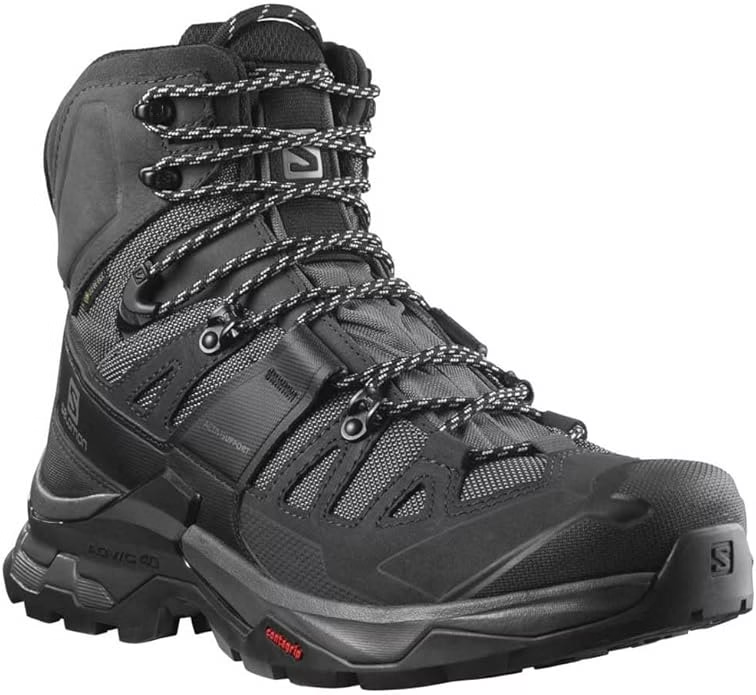
That’s when something like the Salomon Quest 4 GTX becomes the rational choice. The membrane keeps water out, and honestly, on a raw November day with steady drizzle, you’ll be grateful for it.
New to the trails? Check out our best hiking boots for beginners roundup before moving on.
Related article: Waterproof Hiking Boots
Hiking Shoes
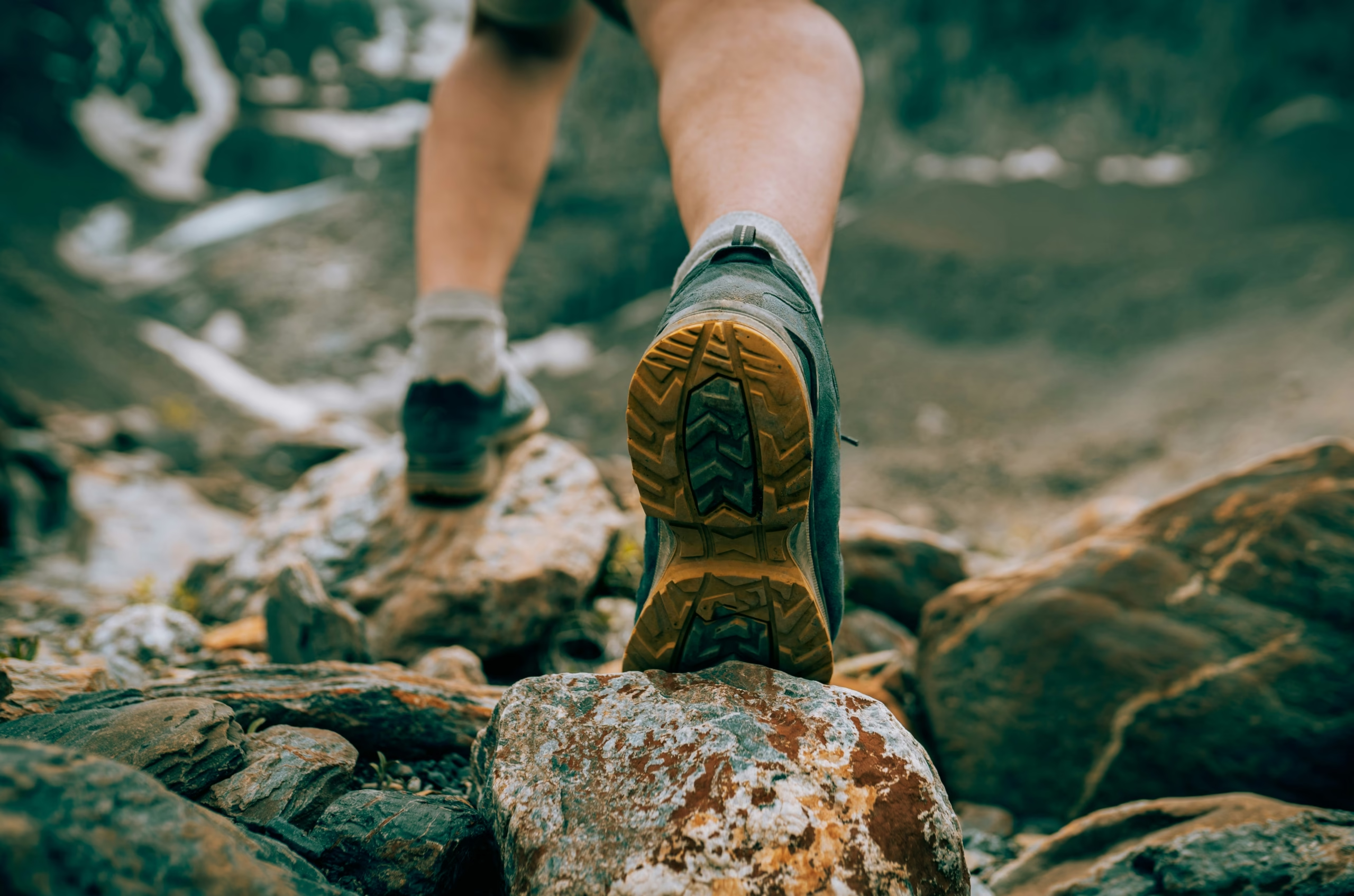
Hiking shoes sit below the ankle. The low-cut design gives you more mobility than boots but less ankle support. You may think this is a deal breaker, but, from my experience, you need solid ankle support only if you have suffered previous injuries.
Features
- Upper materials: Synthetic mesh, nubuck accents, reinforced toe caps
- Sole construction: Flexible rubber outsoles, lightweight midsoles
- Height: Low-cut below ankle
- Weight range: 1-2 pounds0.5-0.9 kg per pair
- Breathability: Mesh panels, non-waterproof construction
Types of Hiking Shoes
Possibly the most popular type of footwear, the hiking shoe has its own categories, designed to cover everything, from easy trails to technical terrain.
Lightweight Hiking Shoes
Mesh uppers and thin soles keep these models under 1.5 pounds.0.7 kg. Your feet breathe well in summer heat, and there’s no break-in since they’re synthetic. You can hike in them straight out of the box.
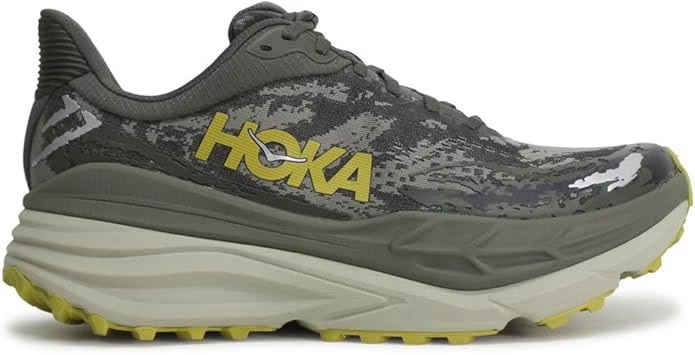
But since they’re mesh, durability is not their strongest asset. A good pair like Hoka Stinson 7 usually lasts you for one season before the mesh starts tearing and the soles compress.
Still, if you’re only exploring maintained trails, they are super comfortable, which makes them a great choice.
All-Terrain Hiking Shoes
All-terrain hiking shoes such as the Salomon X Ultra 3 GTX handle dirt, rock, gravel, and mud without being specialized for any of them. The construction is tougher than that of lightweight shoes, so they last longer, usually a couple of seasons. Weight sits at 1.5-2 pounds.0.7-0.9 kg.
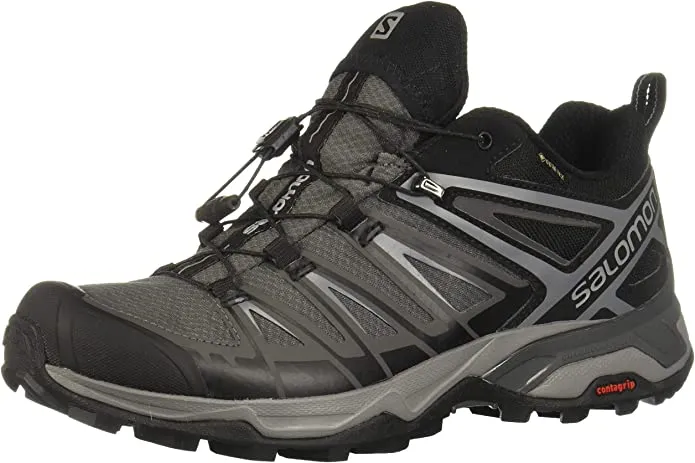
They’re not as breathable as the lightweight models, and your ankles get no support. But a lot of hikers choose them because they offer good performance at an excellent price.
Plus, I’ve seen a lot of folks wearing them every day, not only on the trail, so you can definitely pull the hiker look on the street and stay comfortable.
Travel Hiking Shoes
Since I’ve just mentioned wearing hiking shoes every day, here’s a category that matches all the criteria. Travel hiking shoes look more like regular shoes, and by this I mean they are more stylish, but they have better grip and are a bit heavier. Not the best for difficult trails, but a good choice if you’re planning some light hiking while on vacation.
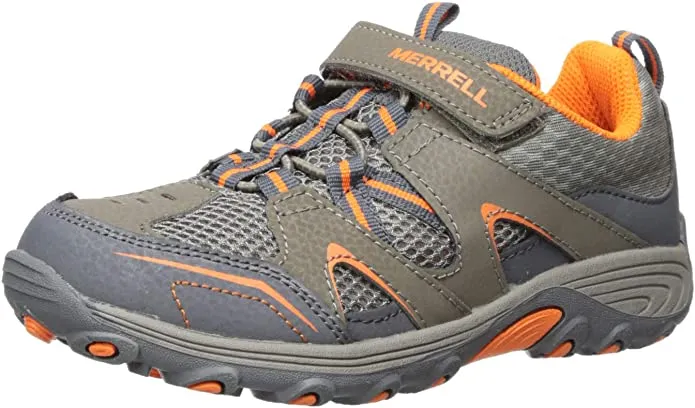
Taking the children to the trail with you? They need special hiking shoes for kids!
Waterproof Hiking Shoes
Just like waterproof hiking boots, waterproof shoes come with a membrane that tries to balance water out with air in. Gore-Tex is the standard, and during rainy autumn days, a pair of Salomon X Ultra 4 GTX or Merrell Moab 3 Waterproof is exactly what you need.
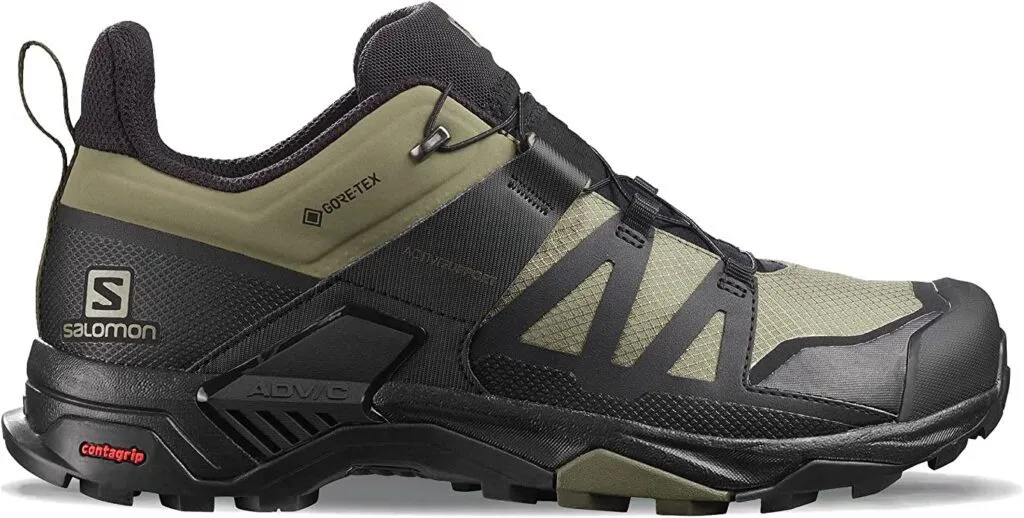
Skip them on summer days. The membrane makes your feet boil.
Not sure of the level of support you need? See our comparison guide: hiking boots vs hiking shoes.
Trail Running Shoes
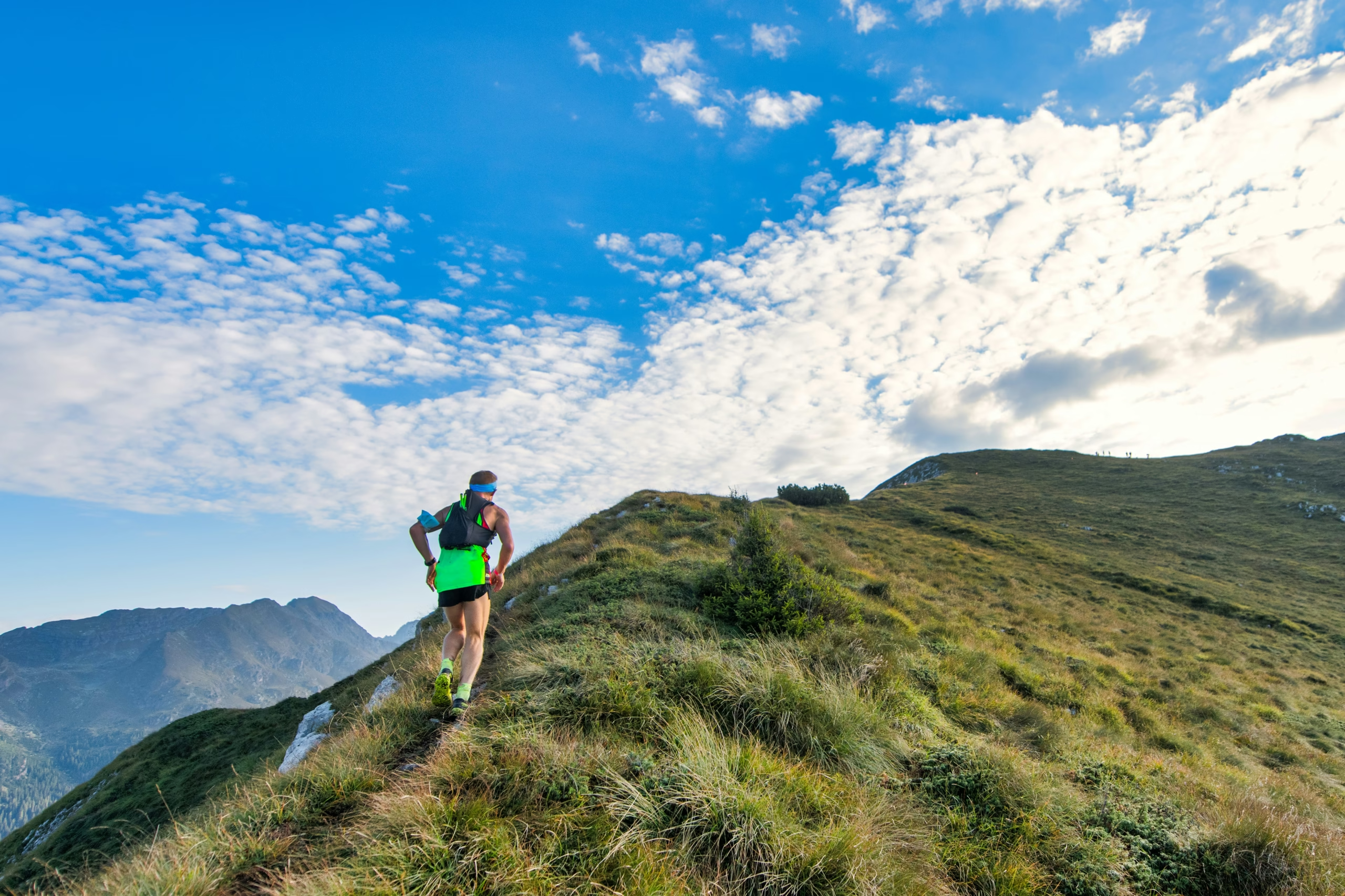
Trail running shoes are low-cut athletic shoes designed for running, but plenty of hikers use them for moving fast on trails. You can also wear them on the road or use them on a treadmill, though the aggressive tread wears faster on pavement.
Features
- Upper materials: Synthetic mesh, TPU overlays, minimal seams
- Sole construction: Aggressive lugged outsoles, responsive midsoles
- Height: Low-cut athletic design
- Weight range: 0.8-1.8 pounds0.4-0.8 kg per pair
- Drop: 0.15”-0.47”4-12mm heel-to-toe differential
- Protection: Rock plates, toe guards (optional)
Types of Trail Running Shoes
We have four categories here, so if you’re a trail runner, let’s see what’s best for you.
Standard Trail Runners
Most trail runners own something in this category and never move beyond it. Makes sense. A shoe like the Salomon Speedcross 6 handles most conditions well enough that you don’t need five different pairs for five different surfaces.
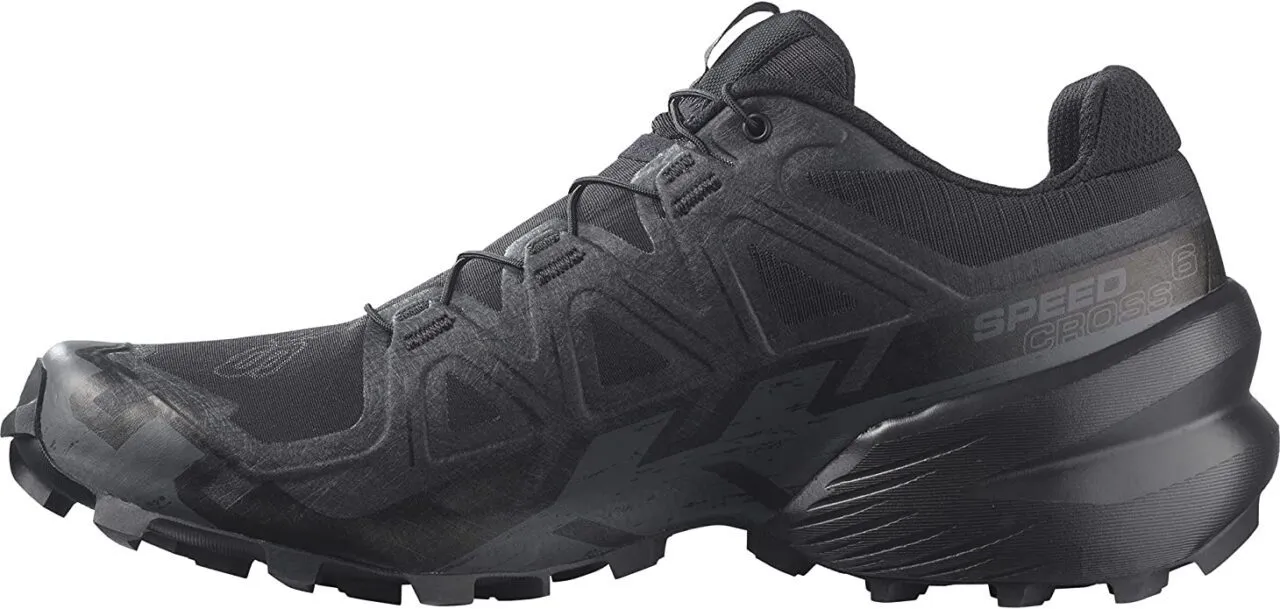
20-30mm stack height, around 10 ounces280 gram on the scale. Nothing extreme in either direction. You get cushioning without feeling disconnected from the trail, and the weight stays low enough that it doesn’t drag on longer outings.
Deep mud is their weakness, and if you’re racing ultras, you’ll probably want something more specific eventually. But for Saturday morning runs on whatever trail is nearby? Hard to justify needing anything else.
Minimalist Trail Runners
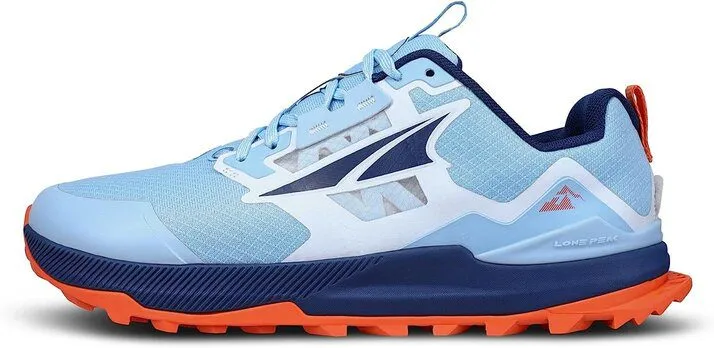
Now we’re moving to some shaky terrain, as not everyone loves minimalist trail runners. The deal with them is that they try to mimic barefoot running. Stack height is under 20mm, and they often come with zero drop.
Some feel amazing in them and say this type of shoe helps them connect to the ground and gives them more freedom. It took me a while to get accustomed to my Altra Lone Peak 7, and I still prefer more cushioned models, but these weigh under 9 ounces per shoe, which makes them incredibly lightweight.
Maximum Cushion Trail Runners
Some people think maximum cushion encourages sloppy form since you can’t feel what’s under your feet.
That’s true to some point. But what’s also true is that you need a thicker stack (these shoes go over 30mm if you’re tackling long distances.
Maximum cushion trail runners absorb shock, so you will feel less fatigued. On the other hand, they weigh about 10-12 ounces280-340 gram per shoe, and if you add a rock plate, the weight shows even more.
Also, I wouldn’t go on technical terrain wearing these.
Waterproof Trail Runners
Rain plus cold equals poor running experience, so in this case, a pair of waterproof trail runners, such as La Sportiva Ultra Raptor II, the GTX version, is a great choice.
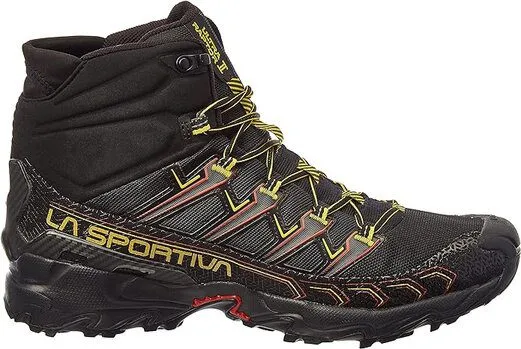
Most models I’ve tested come with Gore-Tex, and there’s absolutely no seeping in, except if you dive deep into a puddle, when the water can infiltrate around your ankles.
For hot days, the same rule applies: no waterproofing membrane unless you like your feet boiled.
Related article: Waterproof Trail Runners
Hiking Sandals
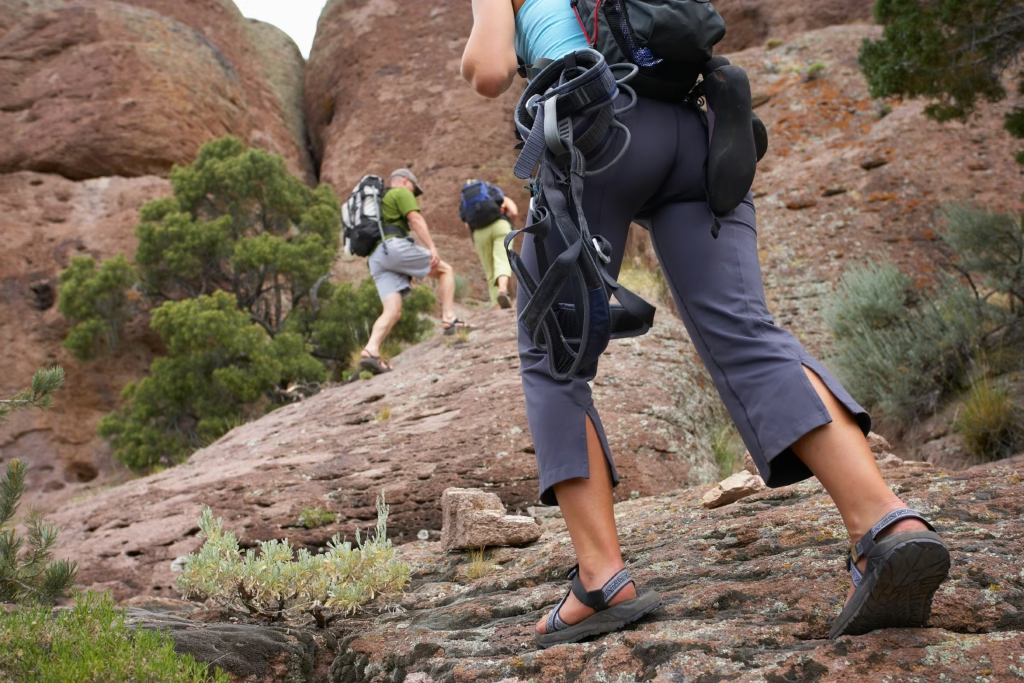
Sandals on a hiking trail sounds wrong until you’ve cooked your feet in Gore-Tex boots on a July desert hike. That changes your mind fast.
Modern hiking sandals aren’t flimsy beach footwear. They have actual tread that grips, footbeds with real arch support, straps that cinch tight enough to scramble rock without your foot sliding around.
I was skeptical for years, and now I reach for them any time the forecast says hot and dry.
Features
- Upper materials: Synthetic webbing, quick-dry nylon straps
- Sole construction: EVA footbeds, rubber outsoles with tread
- Height: Open design with adjustable straps
- Weight range: 0.8-1.5 pounds0.4-0.7 kg per pair
- Drainage: Open construction, quick-drying materials
- Adjustment: Multiple strap points, custom fit systems
Types of Hiking Sandals
Time to take a closer look at your sandal options.
Sport Sandals
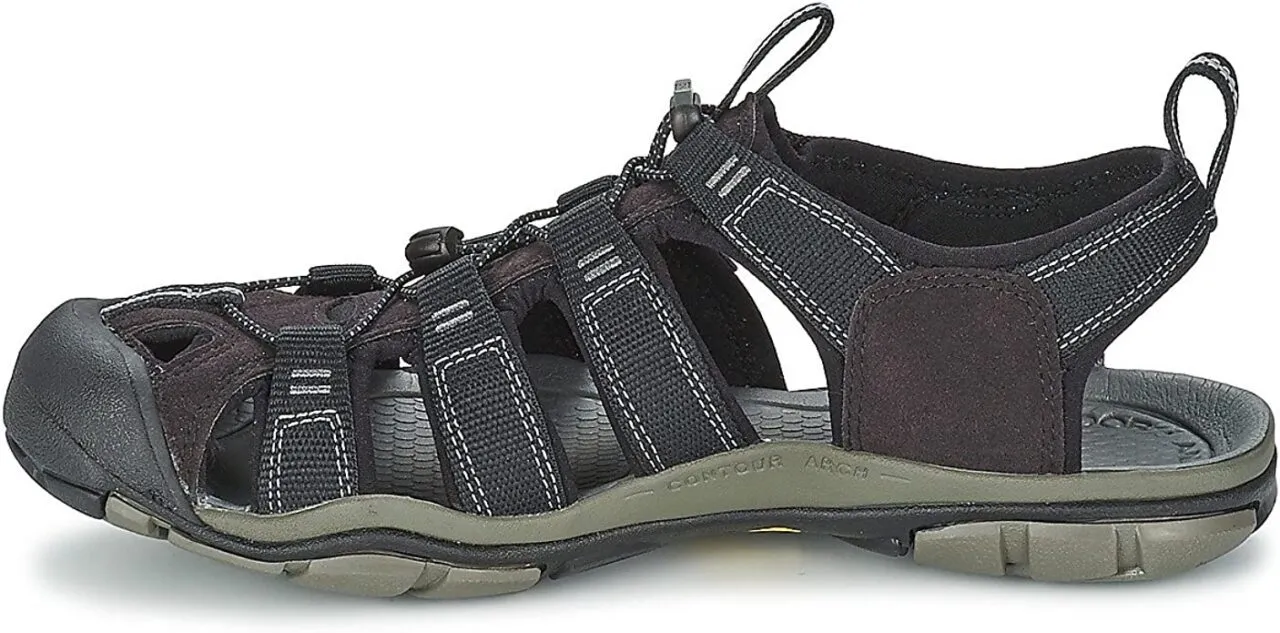
Sport sandals like the Keen Clearwater CNX (which is one of my favorites) solve the toe problem with a rubber cap up front while leaving everything else open. That cap protects you when you kick a rock you didn’t see coming. The rest stays open for airflow, with straps wrapping around your midfoot and ankle to keep the sandal from sliding.
Soles have actual lugs, usually 3-4mm deep, that grip dirt and mud like lightweight hiking shoes. They weigh more than barebone sandals (around 1-1.5 pounds0.5-0.7 kg per pair) because that toe protection and thicker sole add up.
But if you’ve stubbed your toe hard on a trail, you’ll appreciate the tradeoff.
Water Sandals
Ever cross a stream in boots and regret it for the next three miles? Water sandals solve that. Channeled footbeds drain water instead of trapping it. Synthetic webbing straps dry fast. Siped rubber soles grip wet rocks by letting water escape underneath – you’re mostly dry fifteen minutes after a crossing. Models like the Teva Hurricane XLT 2 handle this well.
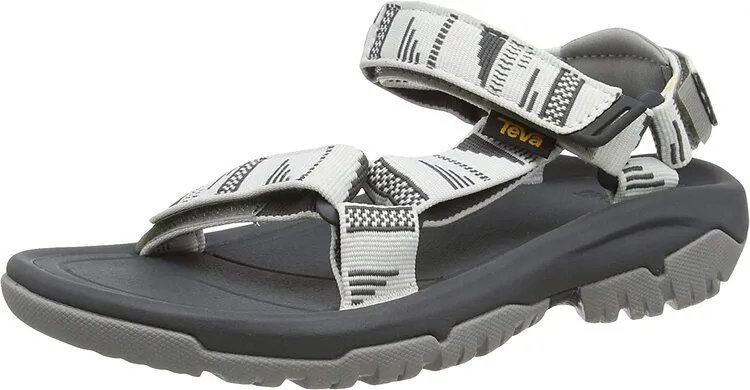
The trade-off is exposed toes. Can’t see submerged rocks, so you’re testing depth with your foot before committing weight. I’ve stubbed toes enough times to be careful about this.
One way to keep your toes protected is to wear water shoes. Lightweight and fast drying, just like sandals, these come with a toe cap and a bit more protection against twigs and rocks, thanks to the mesh upper.
Minimalist Sandals
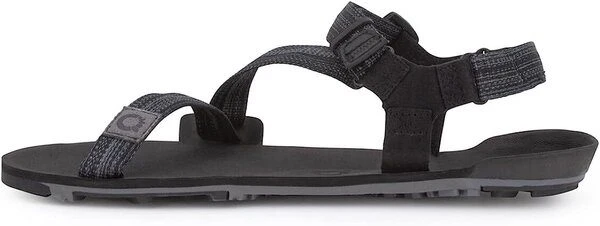
Thin sole, simple straps, barely there. Some weigh 5-6 ounces140-170 gram per sandal, which is almost nothing when you’re cutting pack weight. Wearing a pair of Xero Z-Trail EVs means feeling everything underfoot, every rock, every root, every texture change in the trail.
No arch support, minimal cushioning, your feet doing most of the stabilizing work.
As I have already mentioned, some people love this barefoot connection to the ground. Others just get sore feet because they’re not used to their feet working that hard. If you normally wear cushioned shoes, your feet need time to build strength. Start with short hikes, maybe an hour or two, and gradually increase distance.
Adventure Sandals
Adventure sandals like the Teva Terra Fi 5 and Chaco Z/Cloud bridge sandals and hiking shoes. Thicker soles with real cushioning, footbeds that curve to match your arch instead of lying flat, strap systems with multiple adjustment points, and padding where they touch your skin.
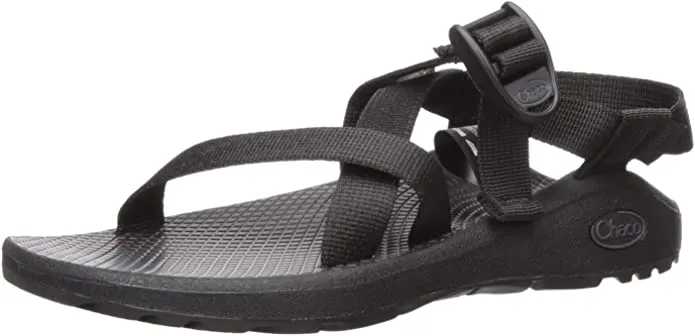
They weigh 1.5 pounds0.7 kg or more per pair because of all that extra material and structure. On hot days, hiking on easier trails, these can replace shoes entirely for some people. You get the cooling airflow of sandals with enough support to cover serious distance.
Protection or breathability on the trail? Worth checking our hiking shoes vs sandals comparison.
Approach Shoes
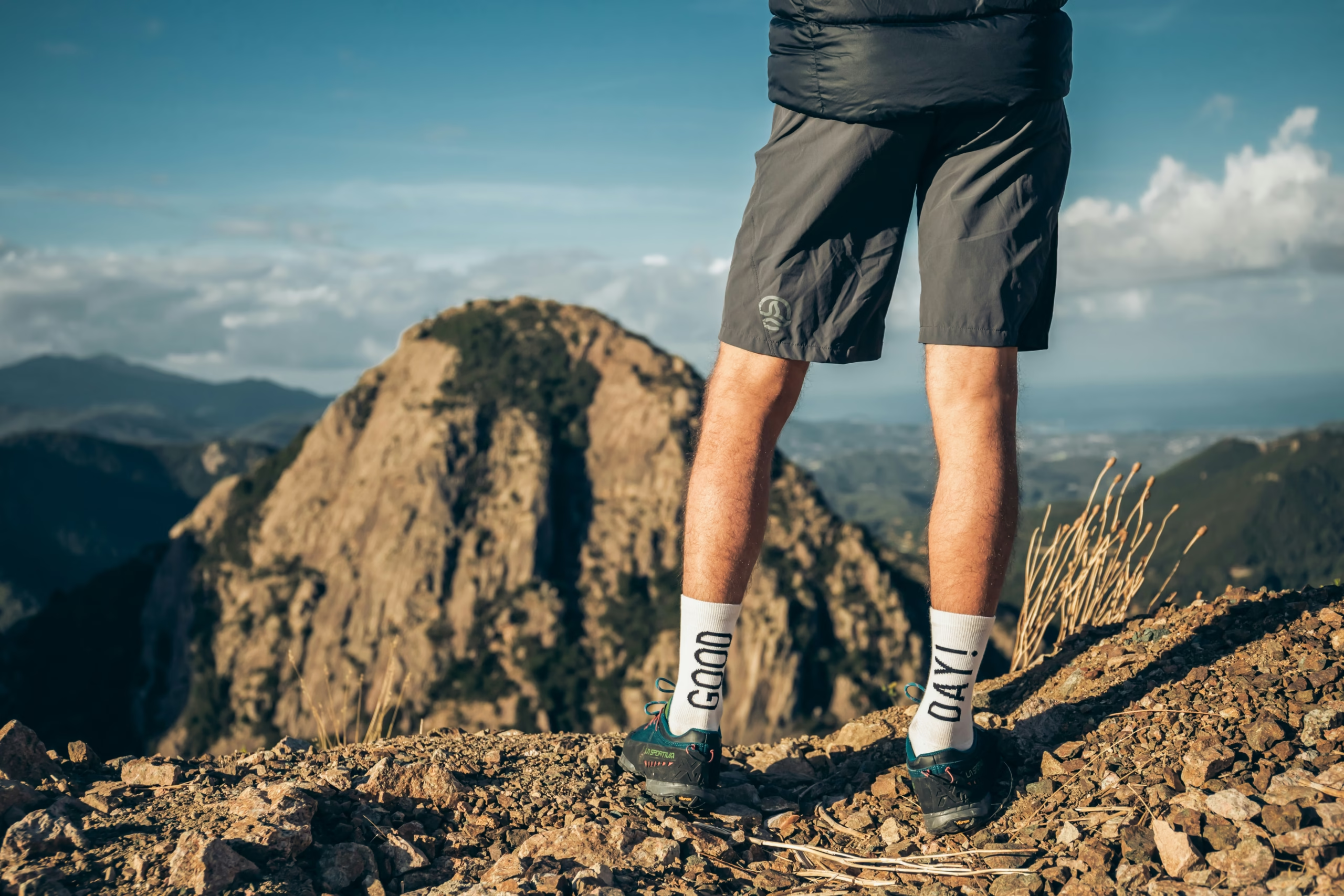
Approach shoes are built for scrambling, that middle ground where hiking ends and technical climbing starts. Sticky rubber soles, precise fit, low-cut design.
Not something most hikers need, but when you’re moving across exposed rock or approaching a climbing route, they make more sense than boots or trail runners.
Features
- Upper materials: Durable synthetic leather, minimal stretch fabric
- Sole construction: Sticky climbing rubber, precise edging platform
- Height: Low-cut with ankle mobility
- Weight range: 1.2-2 pounds0.5-0.9 kg per pairr
- Fit: Precise, close-to-foot sizing
- Closure: Lace-to-toe for adjustability
Types of Approach Shoes
When you’re getting into the more technical stuff, it’s good to know exactly what keeps you safe.
Technical Approach Shoes
Maximum climbing performance packed into a shoe you can hike in. The sticky rubber is the same stuff climbers use, wrapping around the toe for smearing on rock. The sole barely flexes, which feels strange on flat trails but lets you stand on tiny edges.

Fit runs tight because precision is what you expect when you’re scrambling.
My La Sportiva Boulder X needed about 10 miles16 kilometer before the leather stopped fighting my feet. If most of your approach involves fourth-class terrain or exposed scrambling, the performance justifies the discomfort.
Hiking Approach Shoes
These lean toward hiking comfort while keeping decent climbing grip. More cushioning underfoot than technical models, which helps on long approaches. The rubber’s still sticky enough for occasional rock moves, but the sole has more flex for walking.
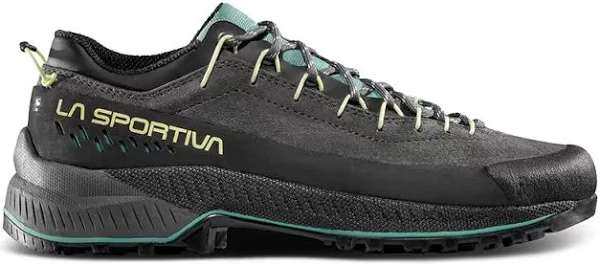
Fit’s less aggressive, too.
The La Sportiva TX4 Evo falls here. You can actually wear them on trails without your feet screaming. Best-selling category because most people need versatility rather than climbing-specific performance.
Lightweight Approach Shoes
Minimalist design strips features to save weight. Less padding, thinner uppers, simplified construction. They weigh 3-4 ounces85-115 gram less per pair than standard approach shoes.

Speed matters more than comfort here, and I can tell you from my experience with La Sportiva TX2 that you can see the difference.
But the weight savings come with tradeoffs. Less protection from rocks underfoot, less durability overall. Makes sense for experienced scramblers who know exactly what they need.
Probably overkill for occasional use.
Waterproof Approach Shoes
Gore-Tex or similar membranes added. Keeps your feet dry in streams and rain, but reduces breathability noticeably. Approach shoes already don’t breathe great compared to mesh hiking shoes.
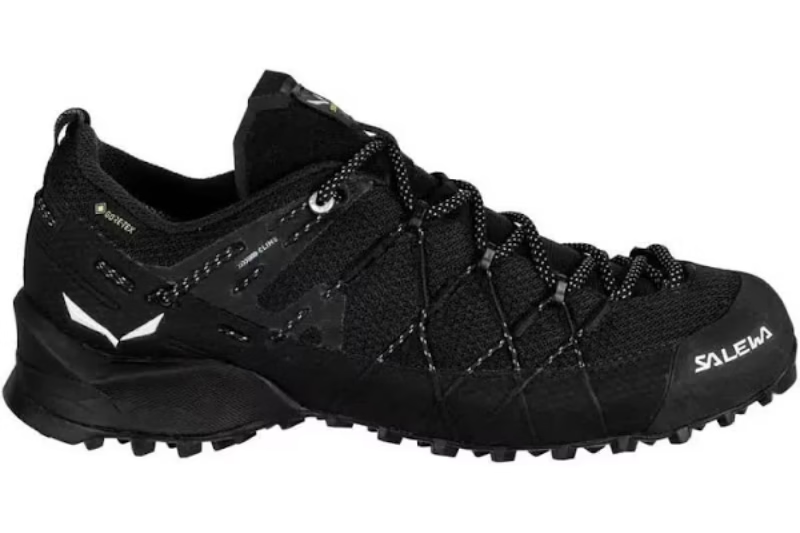
Add a waterproof layer, and your feet get warm fast.
The leather on my Boulder X handled water fine after treatment. The waterproof versions feel like solving a problem that doesn’t exist for most people, but in consistently wet alpine conditions, the protection might matter.
Related Article: Best Approach Shoes for Hiking & Climbing
Mountaineering Boots
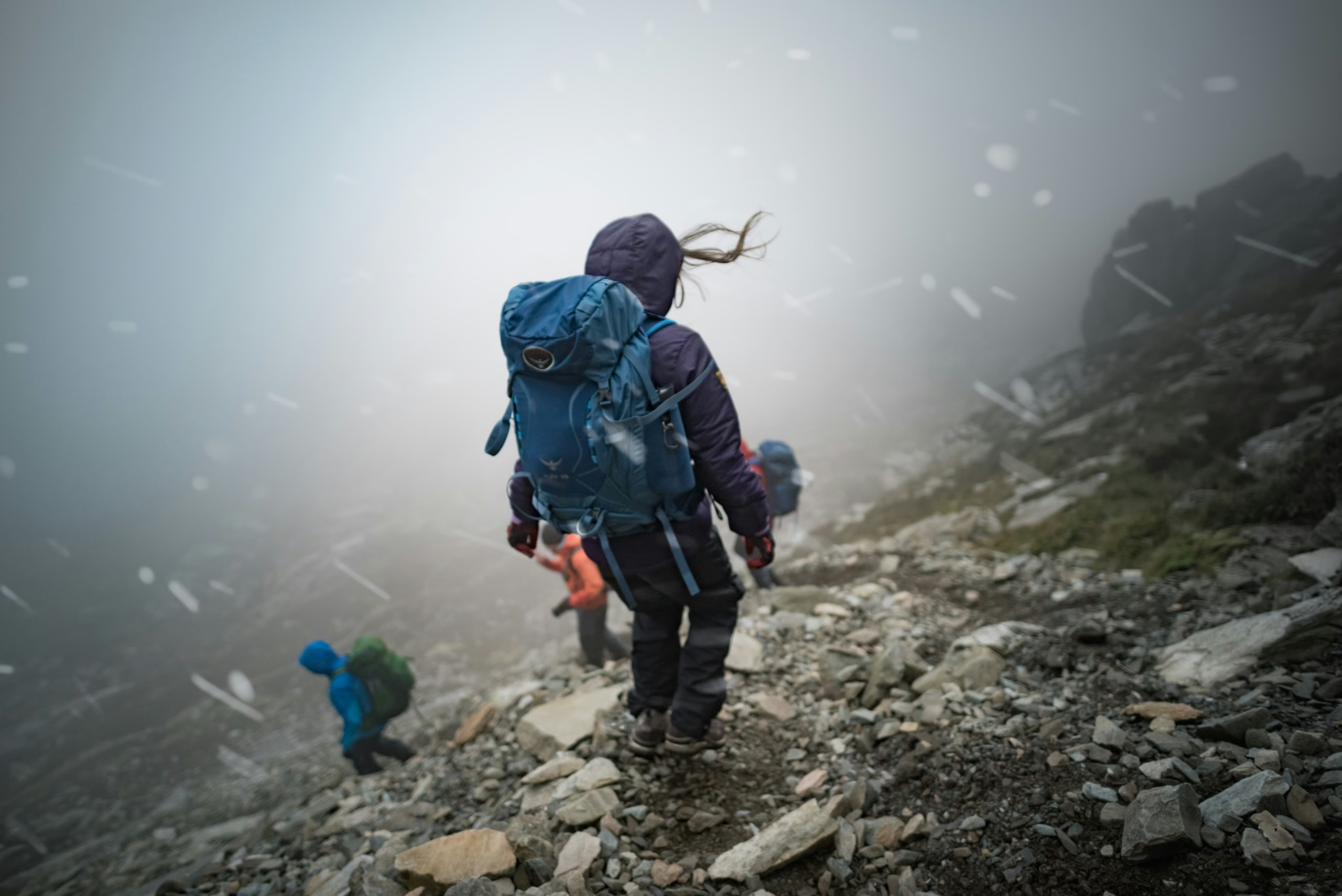
Mountaineering boots are different from hiking boots. You won’t need these for regular trails. They are built for technical alpine terrain, ice climbing, and high-altitude conditions.
Features
- Upper materials: Full-grain leather, synthetic reinforcements, gaiter attachments
- Sole construction: Rigid Vibram soles, steel or carbon fiber shanks
- Height: High-cut with ankle protection
- Weight range: 3-5 pounds1.4-2.3 kg per pair
- Insulation: Removable liners, Thinsulate, down booties
- Crampon compatibility: Semi-automatic or automatic binding systems
Types of Mountaineering Boots
Even if this is heavy-duty gear, there are still levels of protection, depending on the boot type you choose. Let’s see what works for ice climbing and what for winter hill walks.
Single Boots
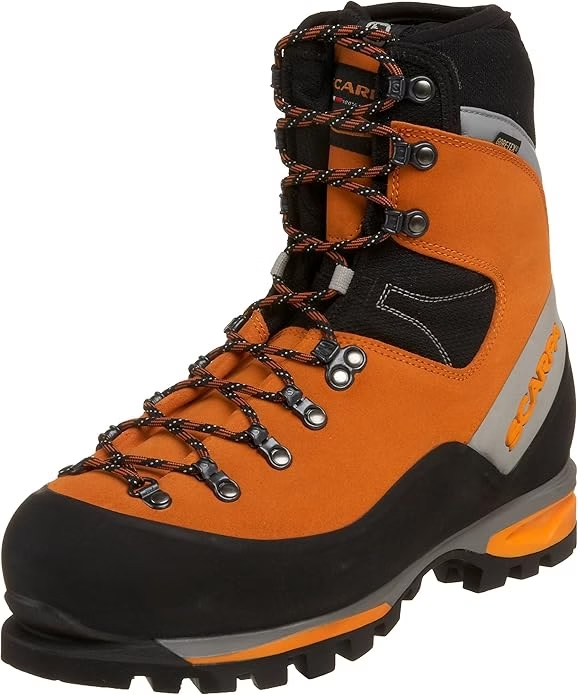
Single-layer mountaineering boots handle temperatures down to around 14°F to -4°F-10°C to -20°C, maybe a bit colder depending on how your feet run. The insulation is built in, which keeps weight reasonable – usually 3-4 pounds1.4-1.8 kg per pair – but you’re stuck with whatever warmth rating the manufacturer chose.
They’re the standard for spring through fall mountaineering, where you need crampon compatibility without the bulk of double boots. Break-in takes longer than hiking boots because of the stiffer construction, but they climb better than doubles once you’ve got them dialed.
Double Boots
You are looking at a removable inner boot inside a hard outer shell. The inner boot provides insulation (sometimes as warm as a down bootie) while the outer shell handles protection and crampon attachment.
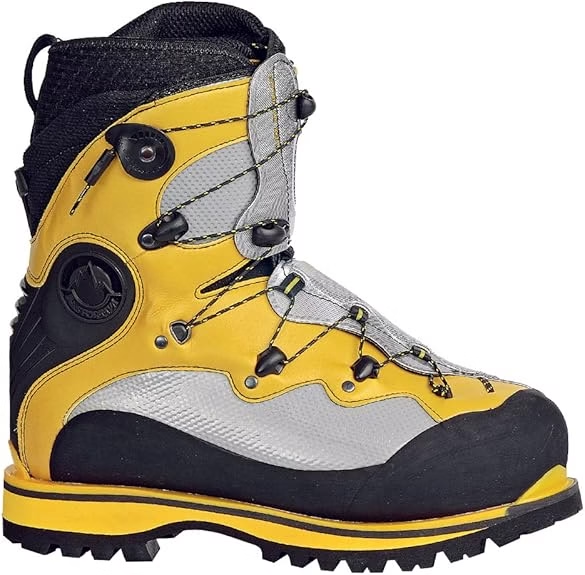
Exactly as you’d expect, these handle extreme cold, down to -40°F-40°C or colder. They are definitely built for high-altitude expeditions, winter mountaineering, and serious ice climbing.
Weight is substantial, 4-5 pounds1.8-2.3 kg per pair, and they are bulky, which reduces precision compared to single boots. The good news, though, is that you can dry the inner boot separately, which helps on multi-day trips.
Alpine Climbing Boots
If you need something more nimble that can increase your climbing performance, the answer is alpine climbing boots. Still crampon compatible but less insulated than other mountaineering boots, they prioritize fit precision and sensitivity – you need to feel your footholds when climbing vertical or near-vertical terrain.
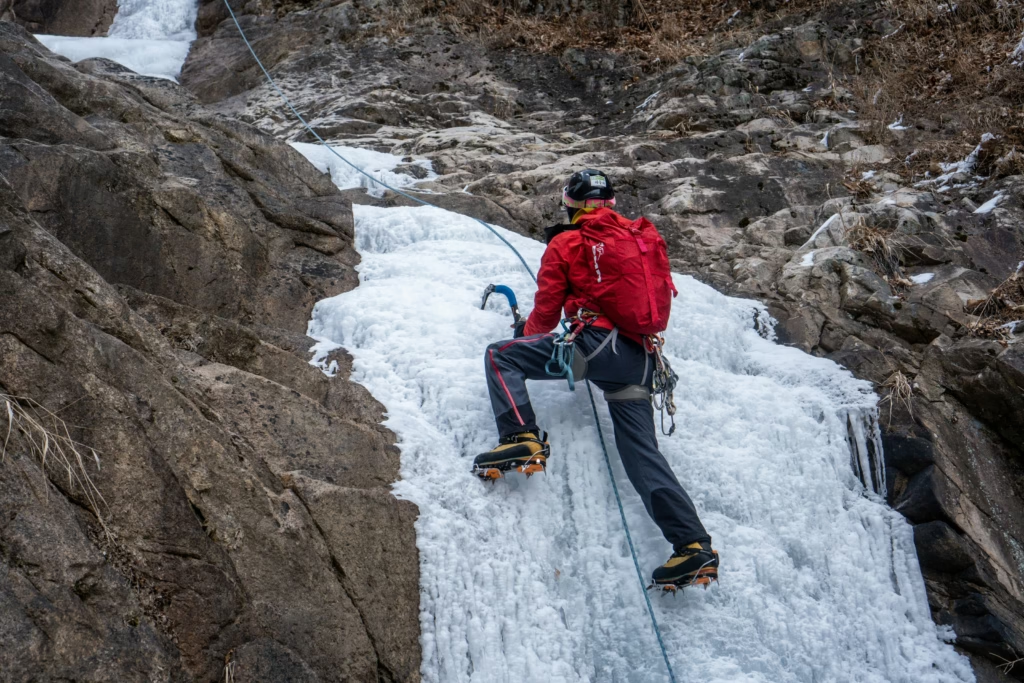
Weight runs 2.5-3.5 pounds,1.1-1.6 kg, so they are lighter, just as you need them for alpine rock climbing, mixed routes, or approaches where speed matters more than warmth. Not suitable for prolonged cold exposure or winter conditions, though.
Ice Climbing Boots
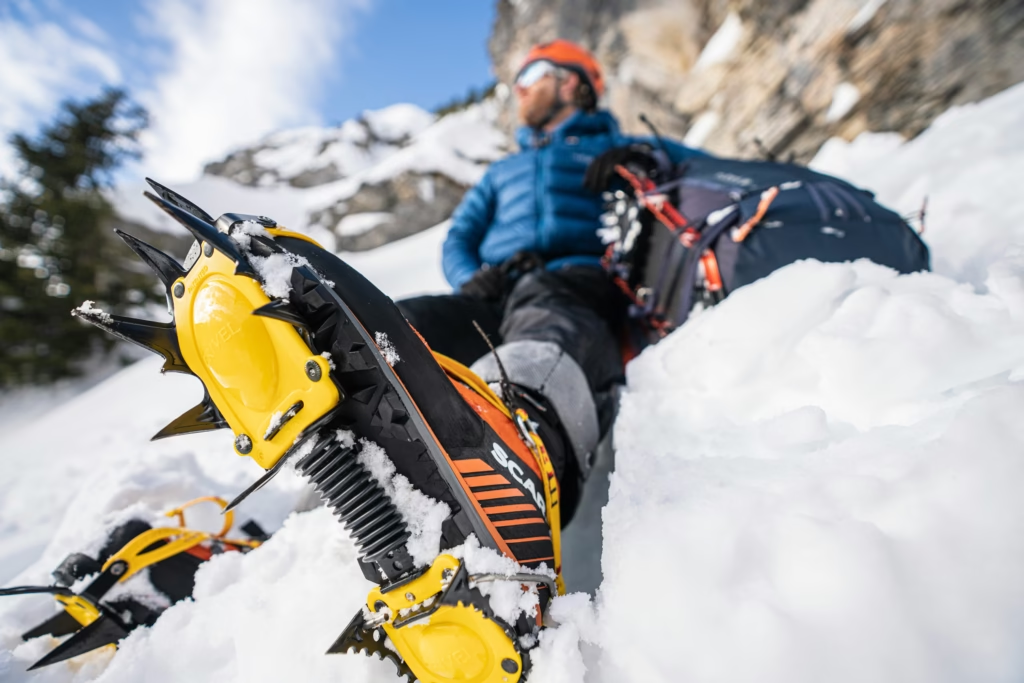
This type of mountaineering boots have a rigid front section designed for kicking into vertical ice. They also feature aggressive tread patterns and high-quality insulation, which are balanced with increased stiffness to keep you safe during technical ice climbing.
The front of the boot barely flexes – you need that rigidity to stand on front points all day. Weight is similar to double boots, but the construction focuses on vertical performance rather than expedition warmth.
Not sure if you need mountaineering or hiking footwear? See our mountaineering boots vs hiking boots comparison. Or check our Mountaineering Beginners Guide if you want the full scope.
Specialized and Work Footwear for Hiking
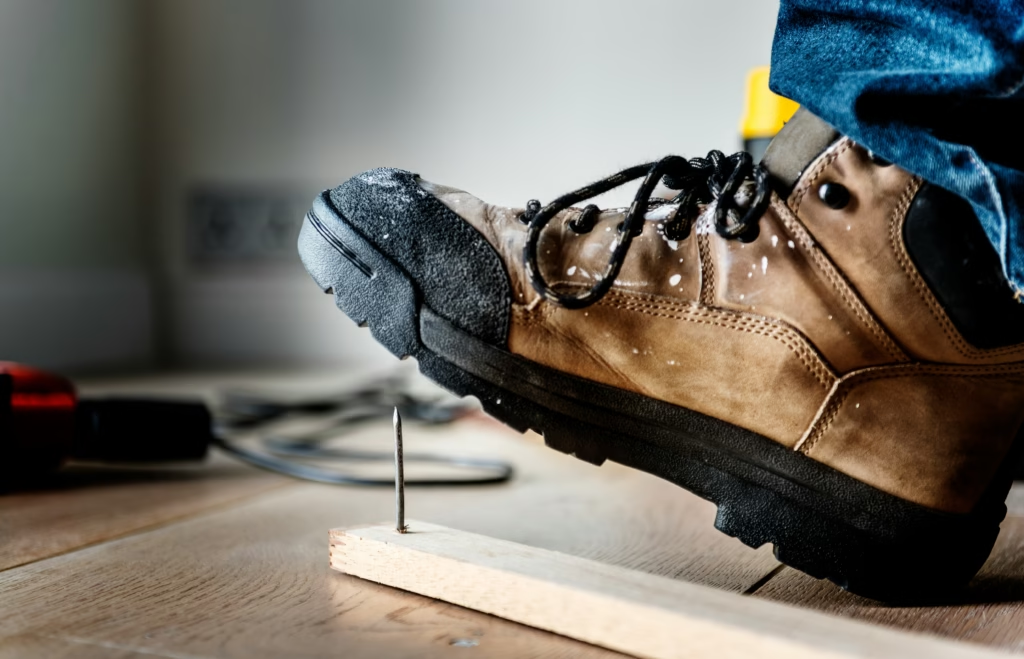
Construction workers accessing remote job sites, utility workers maintaining trail infrastructure, people whose day involves both OSHA requirements and actual hiking. This category exists for situations where you can’t just change shoes between work and trail.
Features
- Upper materials: Full-grain leather, synthetic reinforcements, steel/composite toe caps
- Sole construction: Slip-resistant rubber compounds, puncture-resistant plates
- Height: Mid-cut to high-cut work boot designs
- Weight range: 2-4 pounds0.9-1.8 kg per pair
- Safety features: Steel/composite toe protection, electrical hazard resistance
- Durability: Heavy-duty stitching, abrasion-resistant materials
- Insulation: Optional thermal linings, moisture-wicking systems
Types of Specialized and Work Footwear
We’ve got three categories here, each with its own features.
Steel-Toe Boots for Hiking
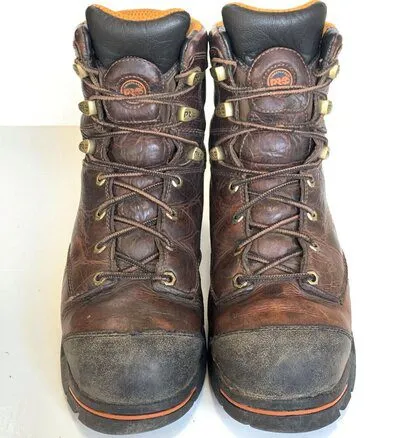
These are safety-certified boots that meet OSHA standards while handling trail use. The steel or composite toe cap protects against impacts and compression, required on many job sites. These boots weigh significantly more than regular hiking boots because of the protective features. Expect 3-4 pounds1.4-1.8 kg per pair minimum.
Break-in takes longer, your feet work harder on uneven terrain, and the extra weight becomes noticeable on longer approaches. Utility workers, forestry professionals, and construction crews working in remote areas use these daily.
Related article: Steel-Toe Boots for Hiking
Tactical Boots for Outdoor Use
Military-style boots are built around durability rather than trail performance. Heavy leather, reinforced stitching, abrasion panels in the usual failure points. They weigh as much as work boots because that’s essentially what they are – work boots with different styling.
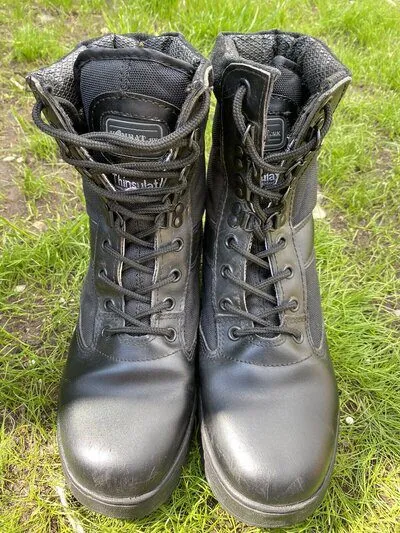
Traction’s passable, but the lug patterns don’t grip like Vibram or Contagrip on actual hiking boots. I’ve seen these work fine for casual trail use, but they’re really for people who need one boot that transitions from parking lot to trail without looking out of place in either.
Related article: Tactical Boots for Outdoor Use
Work Boots Adapted for Hiking
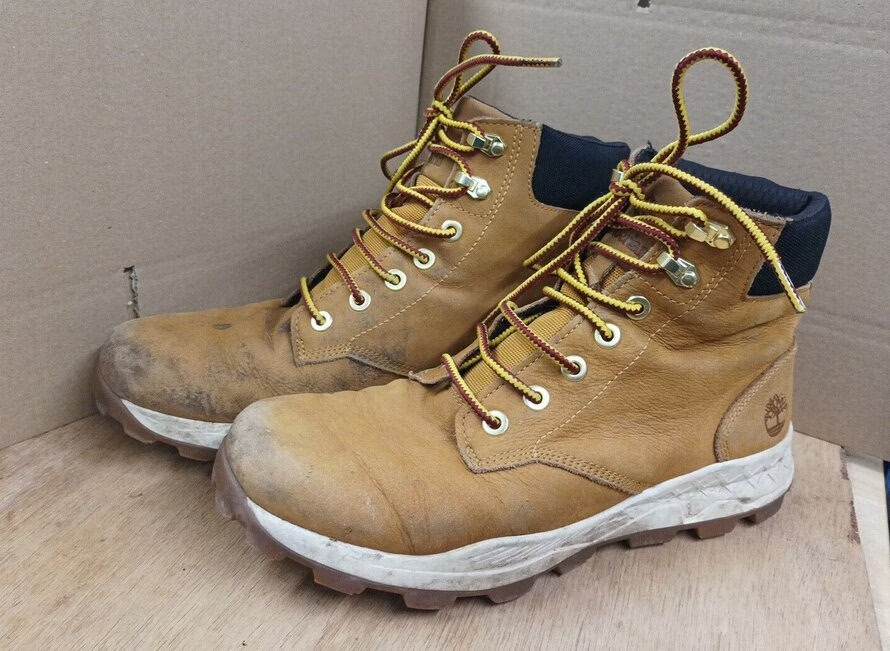
Logger boots, lineman boots, general construction boots (like Timberlands) that happen to work on trails when your job takes you off-road. Not designed for hiking, but rugged enough to handle it when necessary.
The advantage is multi-purpose value if you already own work boovs and occasionally need them on trails. But performance suffers compared to actual hiking boots: less ankle flexibility, heavier construction, soles optimized for ladders and scaffolding rather than uneven ground.
Outdoor Footwear Materials and Technologies

What sets specialized outdoor footwear apart from regular shoes is how they are built. The materials and technologies that go into manufacturing these shoes also help you tell which ones are better.
Waterproof Membranes in Outdoor Footwear
Gore-Tex is still what everyone measures against. The membrane has 9 billion microscopic pores per square inchper 6.5 cm², and each pore is 20,000 times smaller than a water droplet but 700 times larger than a water vapor molecule. ePTFE, eVent® are also popular, but you want a Gore-Tex if you’re crossing rivers.
Your feet sweat faster than this membrane breathes, though, especially when you’re working hard. Your feet have roughly 250,000 sweat glands between them, more concentrated than most body parts. Once the outer fabric soaks through in the rain, breathability drops.
Outsole Technologies

Vibram invented the lugged rubber sole in 1937. They still dominate. A University of Vienna study found Vibram soles reduce wear by up to 40% compared to regular outsoles. Different compounds do different things: Megagrip handles wet rock, Arctic Grip works on ice down to -22°F-30°C, Litebase cuts weight by 30%.
Research shows enhanced outsoles reduce slip by up to 37%. The rubber matters, but so does lug pattern. You want aggressive 0.19”5mm+ lugs to grip mud and loose terrain. Lower-profile patterns work better on rock.
Salomon’s Contagrip performs similarly to Vibram, combining deep lugs with a special type of rubber that makes them great on mixed ground.
Outdoor Footwear Upper Materials
Full-grain leather is heavy and needs regular conditioning, but it lasts forever and molds to your foot. If you’re looking to save weight, you can go with split-grain or nubuck leathers.
Synthetic mesh cuts weight dramatically and dries fast. I love that about it, but what I’m not so happy with is that it tears easily, especially when you’re bushwhacking.
Most boots mix materials: leather in high-wear spots, synthetic panels for breathability. This works well for three-season hiking.
Looking for cruelty-free footwear? Our vegan hiking boots guide covers synthetic materials that perform without leather.
Outdoor Footwear Sizing & Fit Guide
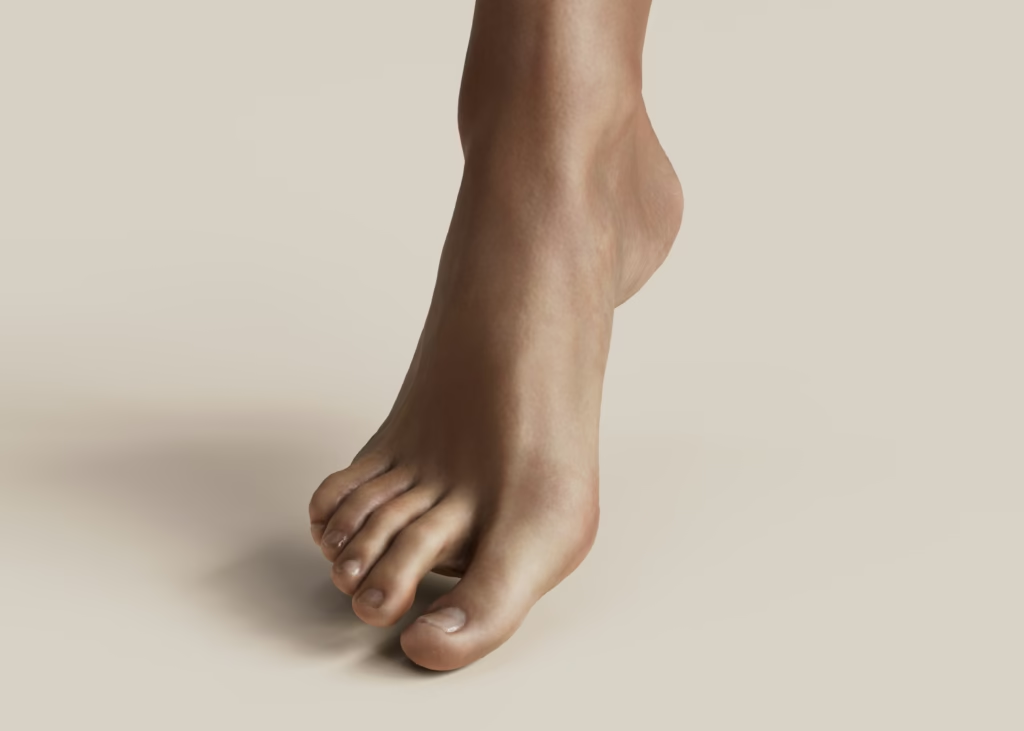
Fit matters more than whatever technology the marketing team is pushing this season. I’ve watched hikers limp through trips in expensive boots that never worked because nobody explained how outdoor footwear sizing actually works.
How to Measure Your Feet Properly
Get measured on a Brannock device at an outdoor shop, or trace your foot on paper and measure heel to longest toe if you’re ordering online.
Your feet swell during long hikes, sometimes a full size larger than morning. Most hikers size up a half size from street shoes, but that’s not universal.
With your hiking socks on, you want roughly a thumb’s width between your longest toe and the boot’s end. Less space than that and you’ll lose toenails on descents. I’ve done it enough times to know that gap matters more than any other fit consideration.
Understanding Foot Shape and Brand Fit
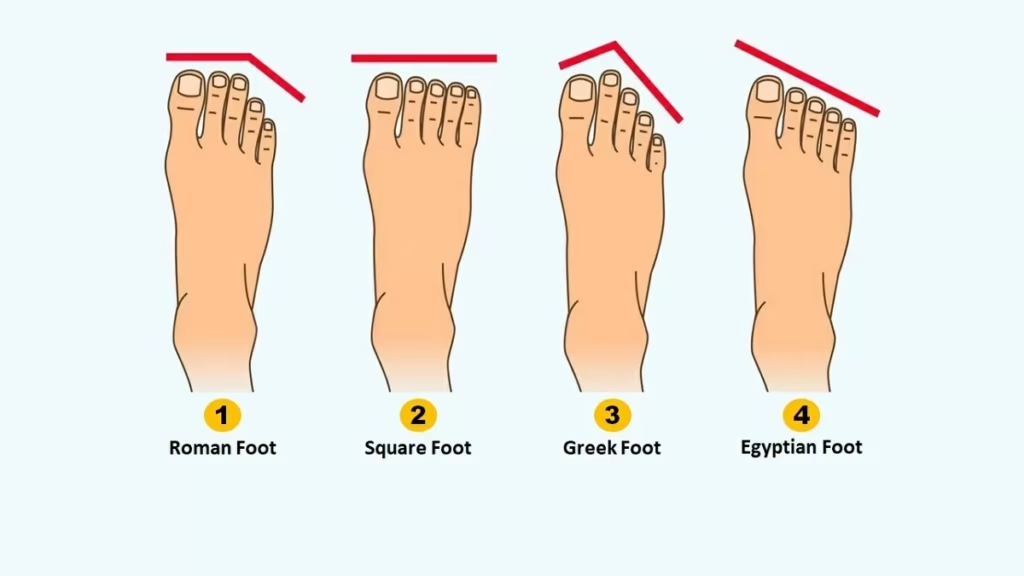
People’s feet are wildly different. Looking for hiking boots for wide feet? Altra and Merrell tend to run generous. Salomon and La Sportiva use narrower European lasts, great if you’ve got narrow feet, torture devices if you don’t. High arches demand more volume through the midfoot. Flat feet usually need stability features and decent insoles.
Don’t assume your street shoe size carries over. I’m an 8.5 in hiking boots for women, but grab a 9 in most hiking boots.
Read our guide about how hiking boots should fit to find out more.
The Try-On Process
Go to the store in the afternoon or evening. Your feet swell throughout the day, and you want to simulate trail conditions. Bring the socks you’ll actually wear hiking. Walk around, and if they’ve got a downhill ramp, use it. That’s where fit problems show up.
Your heel should lock in place. Zero slipping. But your toes can’t be jamming into the front either. Got orthotics or aftermarket insoles? Bring those too.
Break-In and Replacement
Leather boots need time. Plan on 8-10 short hikes before any serious trip. Synthetic boots cooperate faster. Maybe 2-3 hikes.
Most hiking boots give you 500-1000 miles800-1600 kilometer before the midsole compresses and the outsole wears down enough to matter.
Boots that used to feel perfect now causing pain? Check the tread depth and press on the midsole. They might just be done.
Essential Outdoor Footwear Accessories
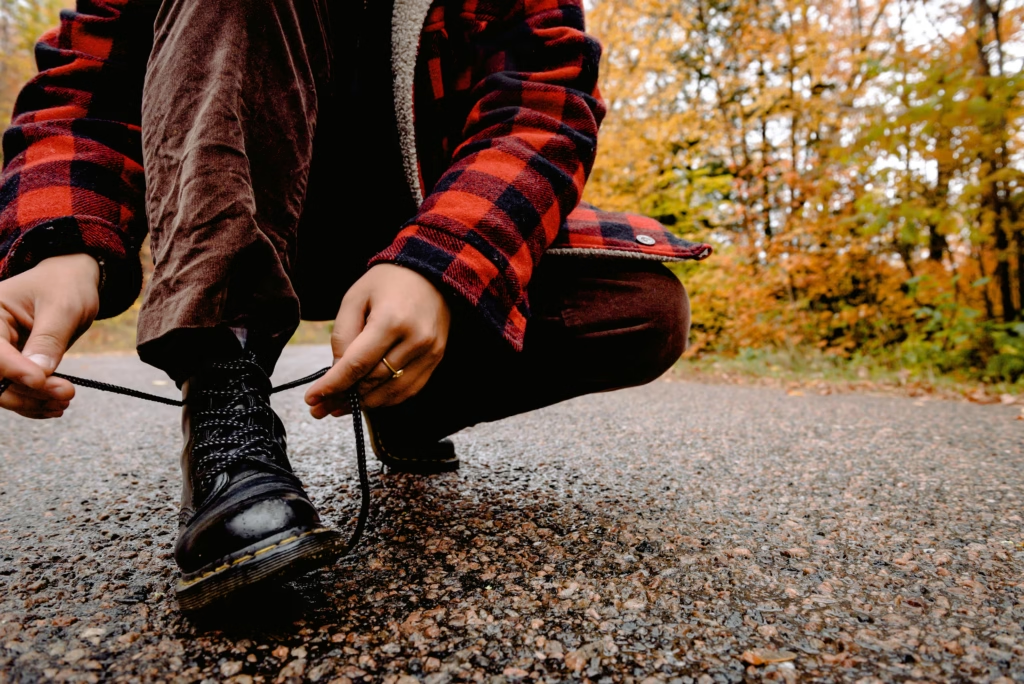
Good accessories can rescue mediocre boots. I’ve saved a few painful trips by swapping insoles or grabbing the right socks.
Hiking Insoles
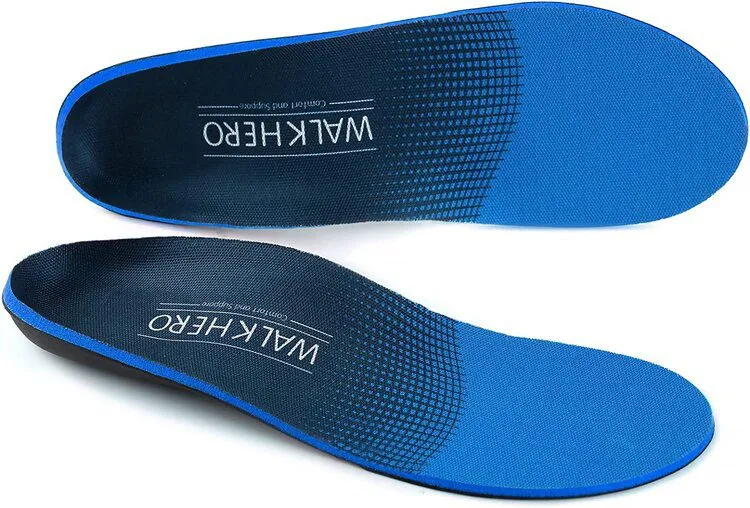
Factory insoles almost never match what your feet actually need. Your arch type (low, medium, high) determines what support works.
Try the wet foot test: step on paper with a wet foot and look at the print. Full footprint means flat feet that want maximum support. A narrow arch connection suggests high arches that don’t need aggressive correction.
Aftermarket options range from minimal cushioning for fast-and-light hiking to maximum padding when you’re hauling heavy loads.
Superfeet does structured support well, especially for plantar fasciitis. Sole makes heat-moldable versions. If you’re getting hot spots or arch pain, ditch the factory insoles.
Our guide to the best hiking insoles of 2026 has specific recommendations.
Hiking Socks
Merino wool wins for hiking socks. It regulates temperature, whether it’s hot or cold out, fights odors even after you’ve worn them for days, and keeps cushioning when wet.
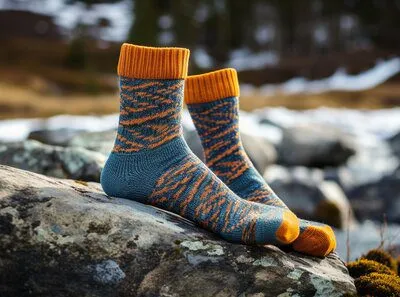
Synthetic blends dry quicker and cost less, but they can’t touch wool’s versatility. I stick with crew-height socks for boots – they stop the collar from rubbing – and drop to quarter socks with low shoes in summer.
Check our roundup of the best hiking socks in 2026 for detailed picks.
Wearing sandals? Our guide on wearing socks with hiking sandals tackles that debate.
Gaiters and Protective Accessories
Ankle gaiters keep trail dust and small rocks out of low-cut shoes. Full gaiters extend to your knees for deep snow or wet brush. I use waterproof gaiters in spring when there’s still snow on the ground but it’s too warm for winter hiking boots.
Microspikes add traction to regular boots on packed snow and ice – simpler than crampons for most winter day hikes.
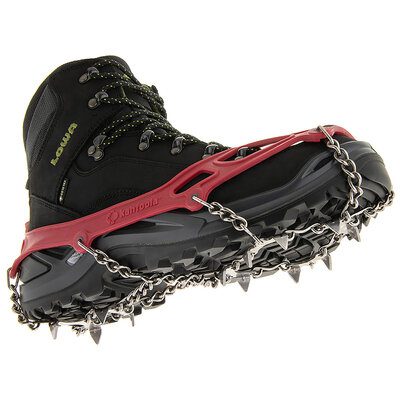
Our guide to the best microspikes for hiking covers when you’d pick them over crampons.
Waterproofing treatments restore water repellency temporarily. You’re reapplying every 20-30 miles30-50 kilometer if conditions stay wet, which gets tedious fast.
How to Choose the Right Outdoor Footwear for Your Hike
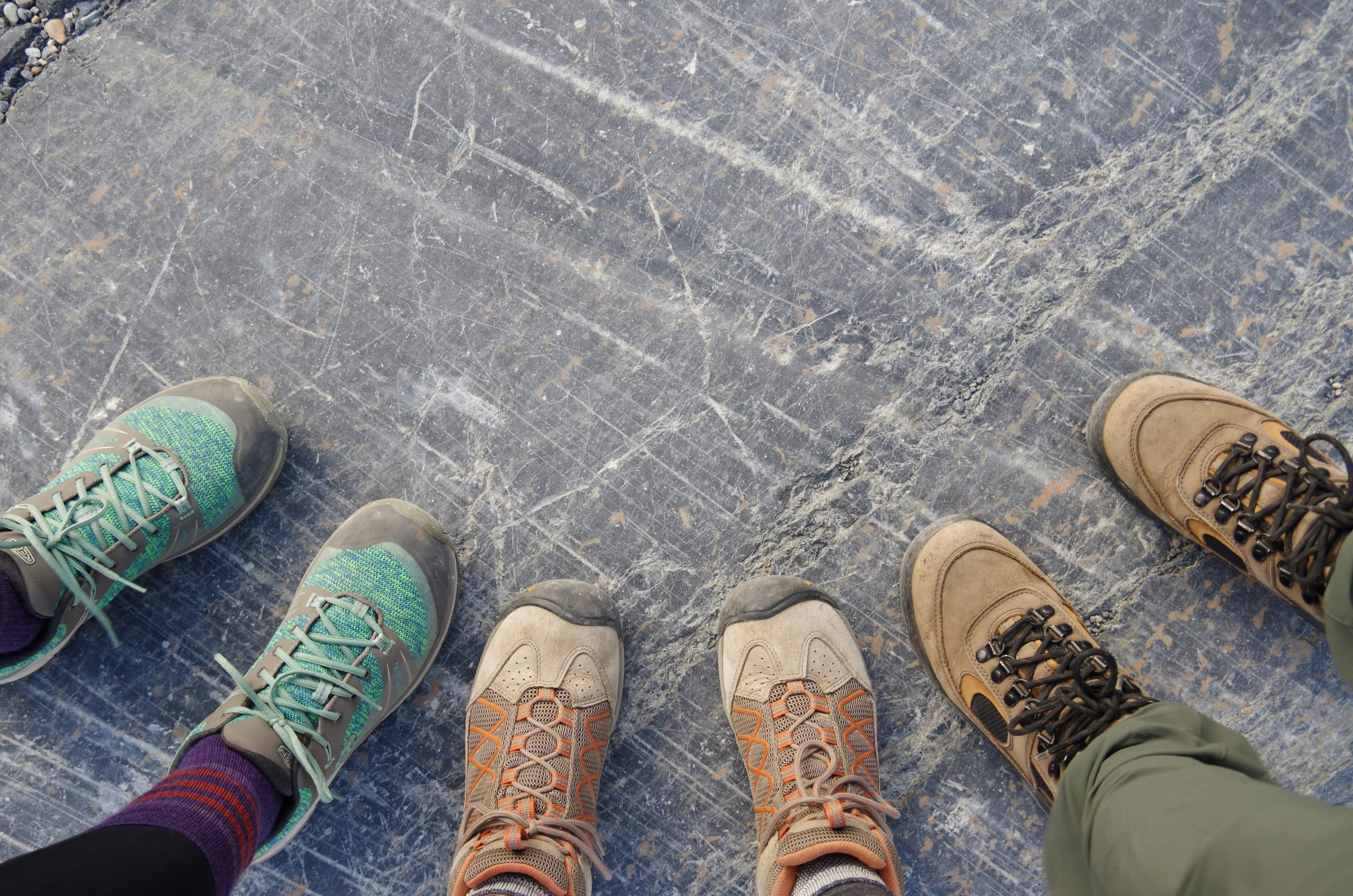
This decision has less to do with what’s trending and everything to do with matching your actual needs to the right tool.
By Activity
Day hiking on maintained trails with under 15 pounds7 kg on your back? Hiking shoes or trail runners work fine. The lighter weight keeps fatigue down and lets you move faster.
Once your pack crosses 30 pounds14 kg for backpacking, the calculation changes. Your ankles will thank you for the support and stability of actual boots after mile ten with a heavy load.
Technical climbing approaches shift priorities completely. You want the precise fit and sticky rubber of approach shoes.
Water crossings force a choice: waterproof boots stay dry in shallow water but take forever to dry if they flood, or quick-dry shoes that soak through immediately but recover overnight. After slogging through multi-day rain in both, I lean toward the quick-dry approach these days.
Trail running? Obviously, trail running shoes. Boots can’t match that speed and agility.
Scrambling on exposed rock? Approach shoes earn their keep with climbing-grade rubber.
By Terrain
Rocky trails with loose talus demand ankle support, reinforced toe protection, and stiff soles.
Mud and wet trails present different tradeoffs. Waterproof boots eventually wet out and take days to dry (learn how to dry your boots), or you accept non-waterproof shoes with aggressive tread that dry by morning.
Desert hiking flips the priorities. Ventilation matters way more than waterproofing.
Snow and ice bring you back to insulated boots that work with microspikes or crampons.
Established trails let you go lighter.
Off-trail bushwhacking punishes anything but heavy-duty boots, and that’s where the extra weight actually pays off.
By Experience Level
New hikers should start with supportive boots. They forgive bad foot placement, protect against ankle rolls, and give you a stable platform to learn trail skills.
As you hike more regularly, you’ll figure out when lighter footwear makes sense. You’ll notice wear patterns that reveal how your foot actually moves and which features you use versus what’s just dead weight.
Experienced hikers often move toward specialized footwear. Some even go minimalist or barefoot, though that demands strong feet and solid technique built over hundreds of miles.
Transition gradually. Day hike in lighter shoes before committing to a multi-day trip. Consider ankle-strengthening exercises if you’re moving from boots to shoes. Barefoot options only make sense after your foot muscles have developed real strength.
Finding Your Perfect Fit of Outdoor Footwear
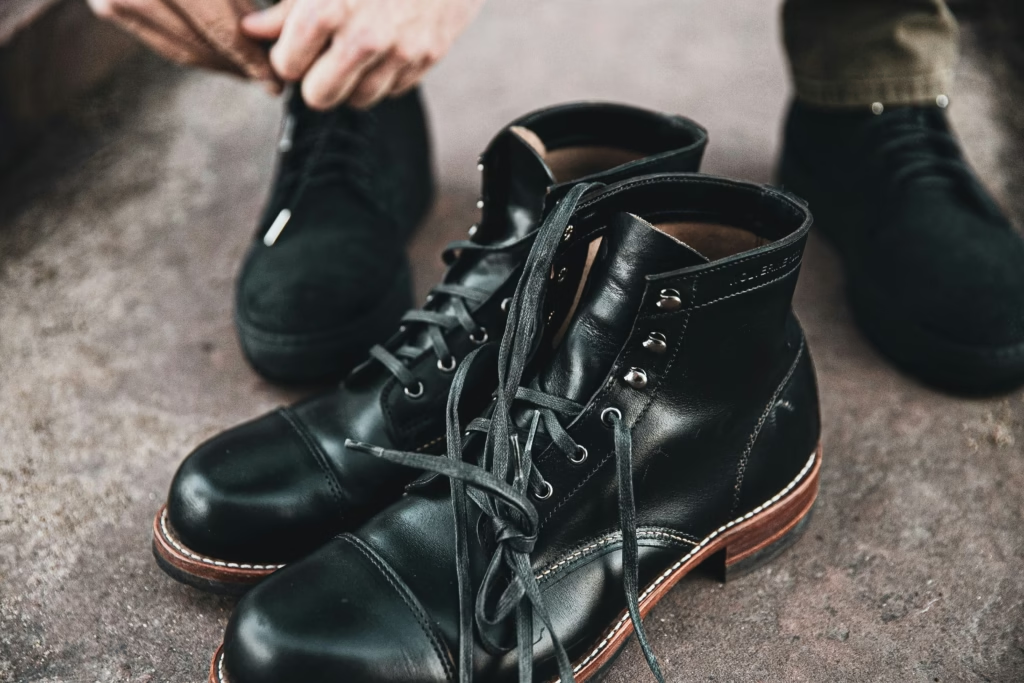
Matching your needs to the right tool, that’s the whole game. We’ve covered hiking boots for heavy loads, hiking shoes for day trips, trail runners for speed, approach shoes for scrambling, sandals for warm weather, and specialized work footwear.
Proper fit beats brand names every single time. Think about your terrain, how much weight you’re carrying, and how much experience you’ve built. Your ideal footwear will probably shift as you log more miles. Most veterans own several pairs for different conditions instead of forcing one pair to handle everything.
Test new footwear on shorter trips before major adventures. Dig into the detailed reviews linked throughout this guide for specific models. Quality footwear that fits your feet and matches your hiking style? One of the best investments you’ll make. Your feet carry you through every adventure.
FAQs
Boots give you ankle support and protection on technical terrain with heavy loads. Trail running shoes save weight and add agility on established trails. Your decision comes down to terrain difficulty, pack weight (30+ pounds14+ kg generally means boots), and how much trail experience you have.
Road running shoes won’t cut it. They lack the aggressive tread, reinforced toe protection, and durable outsoles that trails demand. Rocks and roots chew through them fast. Get proper trail running shoes or hiking shoes built for off-road use.
There’s no universal answer because fit varies so much between brands and feet. Salomon runs narrow. Merrell offers wider, beginner-friendly options. Altra has roomy toe boxes. La Sportiva excels technically, but fits narrow. Try several brands and find what works for your foot shape.