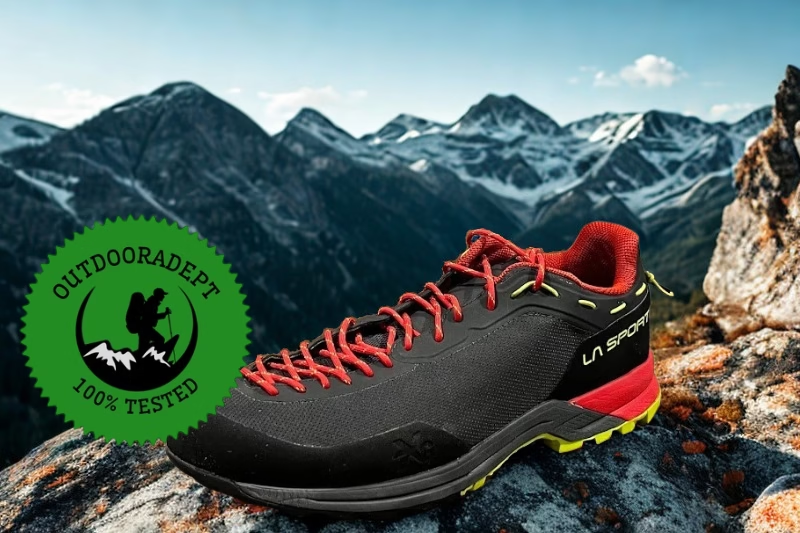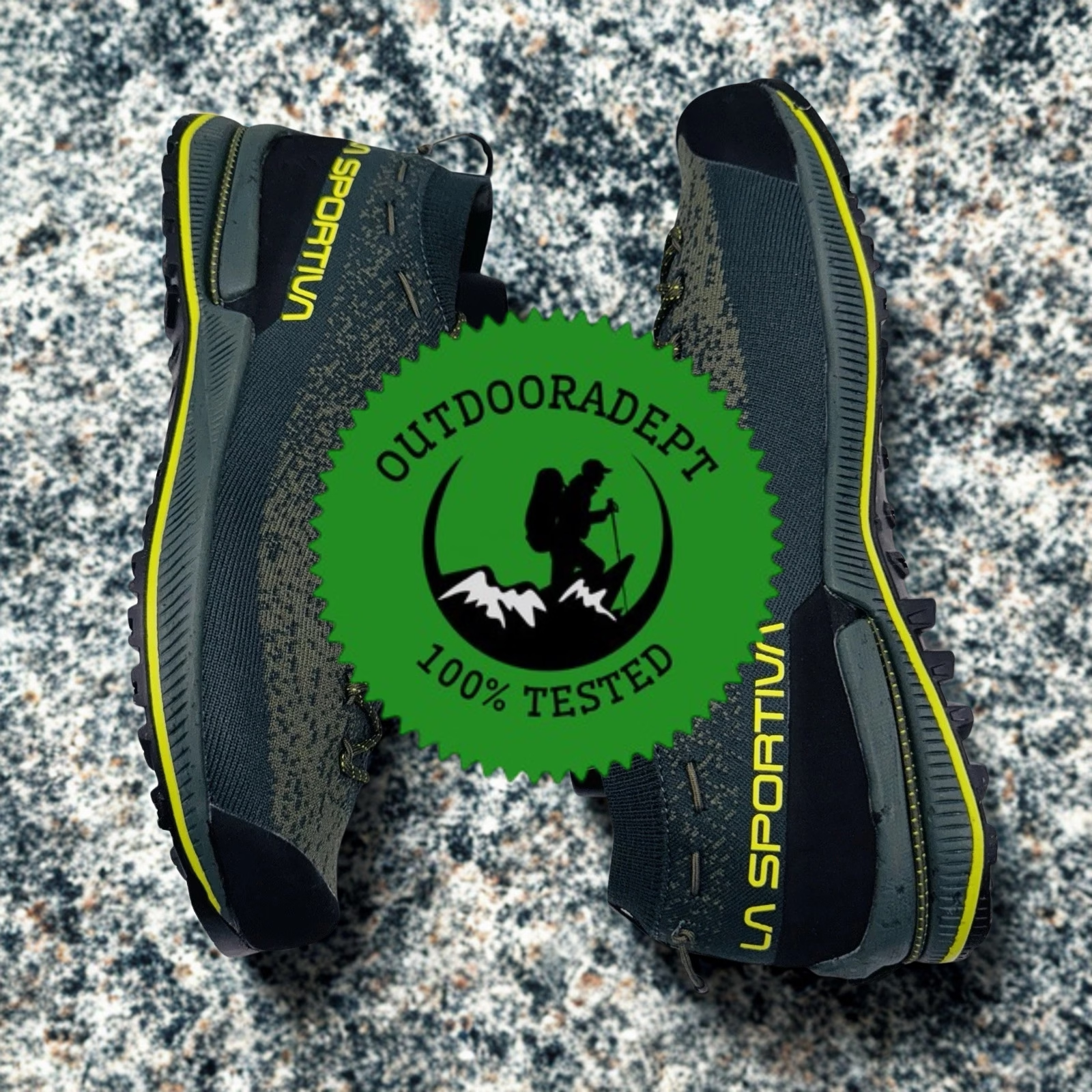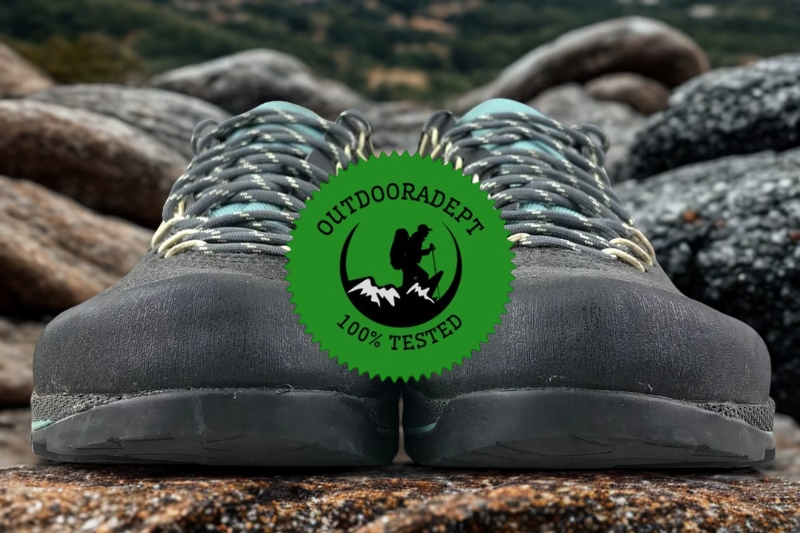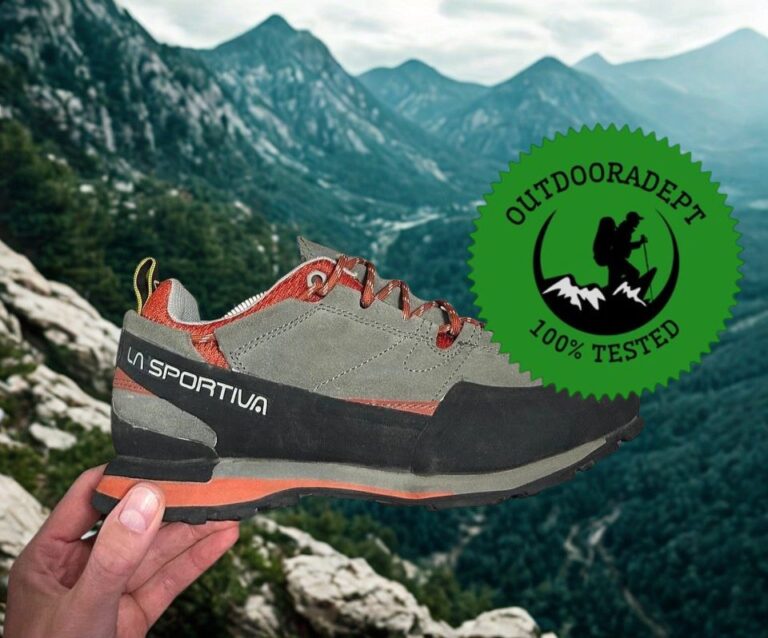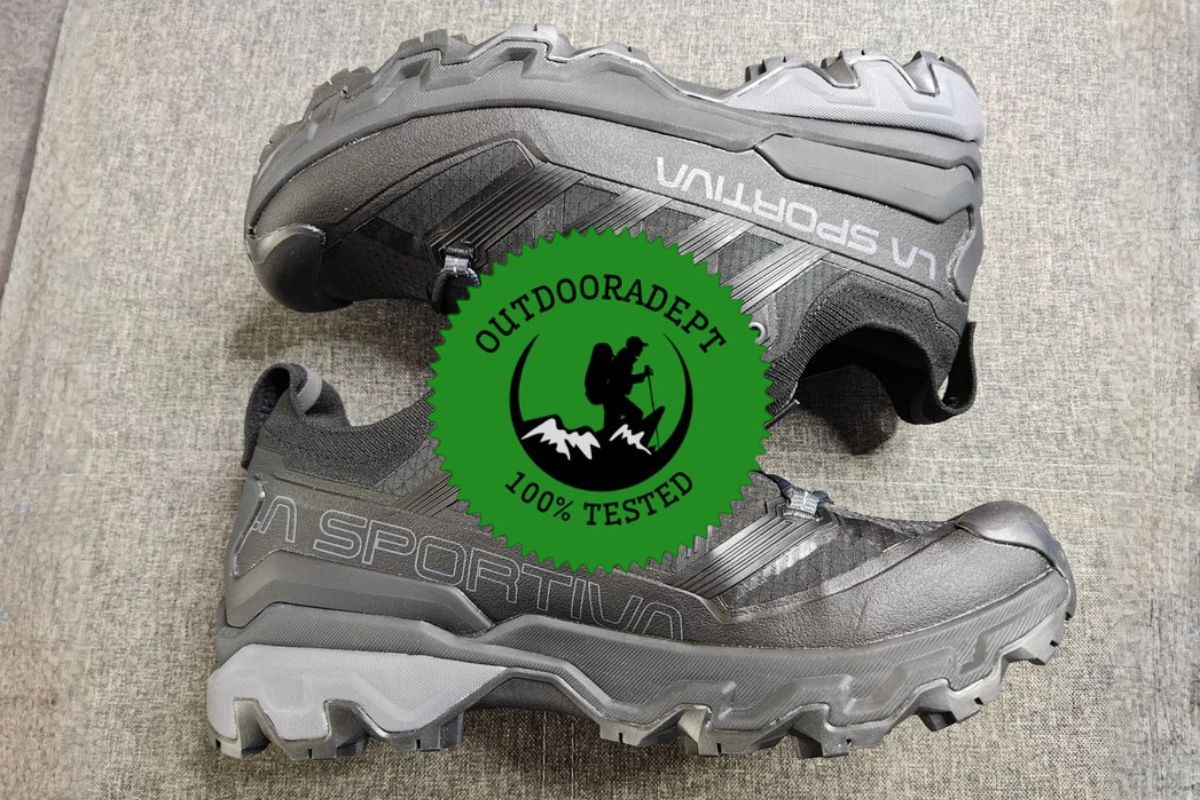
I had been planning to try the Ultra Raptor 3 since it launched at the beginning of this year. Yet here we are in August, and I am only now sitting down to write the La Sportiva Ultra Raptor 3 review after testing them through July.
One pair took me through 76 miles122 km, after about 15 miles24 km close to home to soften them up.
Madeira came first, three days and 18 miles29 km with a 13 lb5.9 kg pack, climbing from Achada do Teixeira to Pico Ruivo at 6,109 ft1,862 m before the long drop to Ilha. That put me on volcanic basalt and stone steps, under sunshine that kept giving way to showers.
Bucegi followed, seven days and 58 miles93 km under 18 lb8.2 kg, up the Mălăiești valley to Omu at 8,218 ft2,505 m and across the plateau. Limestone this time, with long runs of scree and the same unsettled weather.
Wet rock and dry rock in both ranges, in a shoe with no membrane and no wide size for a wide foot.
Quick Verdict: 4.5/5
La Sportiva Ultra Raptor 3
Grip on wet stone and mud is the strongest thing about this shoe, and breathability in humid heat runs a close second. There is no waterproof membrane, so expect wet feet in rain, though they dry fast enough for consecutive days. Wide feet will want half a size up.
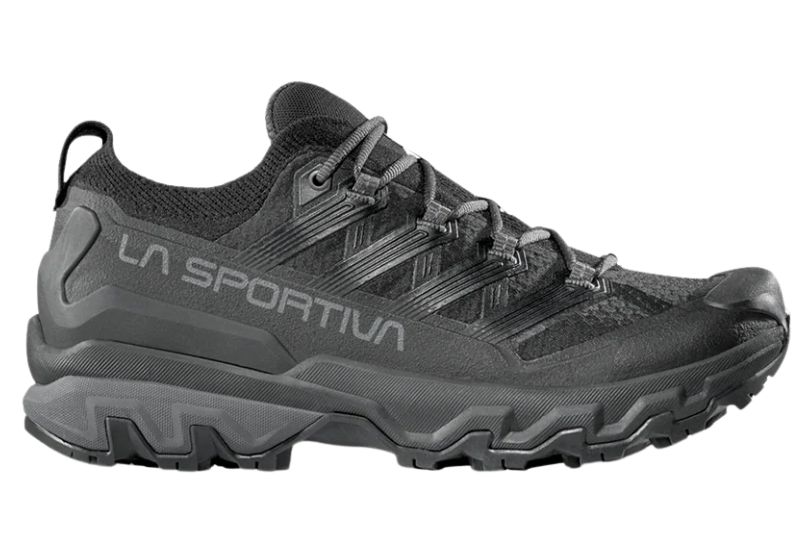
Once past the break-in, I stopped thinking about them, and on a seven-day trip that counts for a lot. I would buy them again for warm-weather mountain hiking with a light to moderate pack.
Skip them if you hike mostly in cold or sustained wet conditions, if you want a shoe that works from the first mile, or if your foot is wide enough that half a size will not solve it. La Sportiva makes no wide version of this model, so there is no second option inside the line.
Highlights
| Feature | La Sportiva Ultra Raptor 3 |
|---|---|
| Weight | 10.4 oz295 g per shoe, women's, measurement size not published |
| Water Resistance | No membrane, wets through in rain, dry by morning |
| Traction | FriXion XF 2.0 with 4 mm lugs, held on wet basalt and limestone |
| Comfort | Firm underfoot, easy over long days once the upper softened |
| Adjustability | Lacing harness held tension across a full day without a mid-hike reset |
| Breathability | Stayed cool through humid laurel forest and open plateau |
| Durability | Upper intact after 91 miles146 km, forefoot lugs already showing wear |
| Arch Support | Held through both trips, mild fatigue late in a seven-day block |
| Toe Protection | Superficial marks on the cap after repeated rock contact |
| Release Year | 2026 |
| Price | $169 |
Thanks, one more step
Check your inbox to confirm your rating. Once confirmed, it counts toward this shoe’s community score.
See how it ranks on the full leaderboard →PROS
CONS
Trail tips, news and giveaways
One email a month: hiking tips, gear news, giveaways, fresh footwear verdicts and more. No spam, unsubscribe anytime.
Things We Tested When We Reviewed the La Sportiva Ultra Raptor 3
Traction
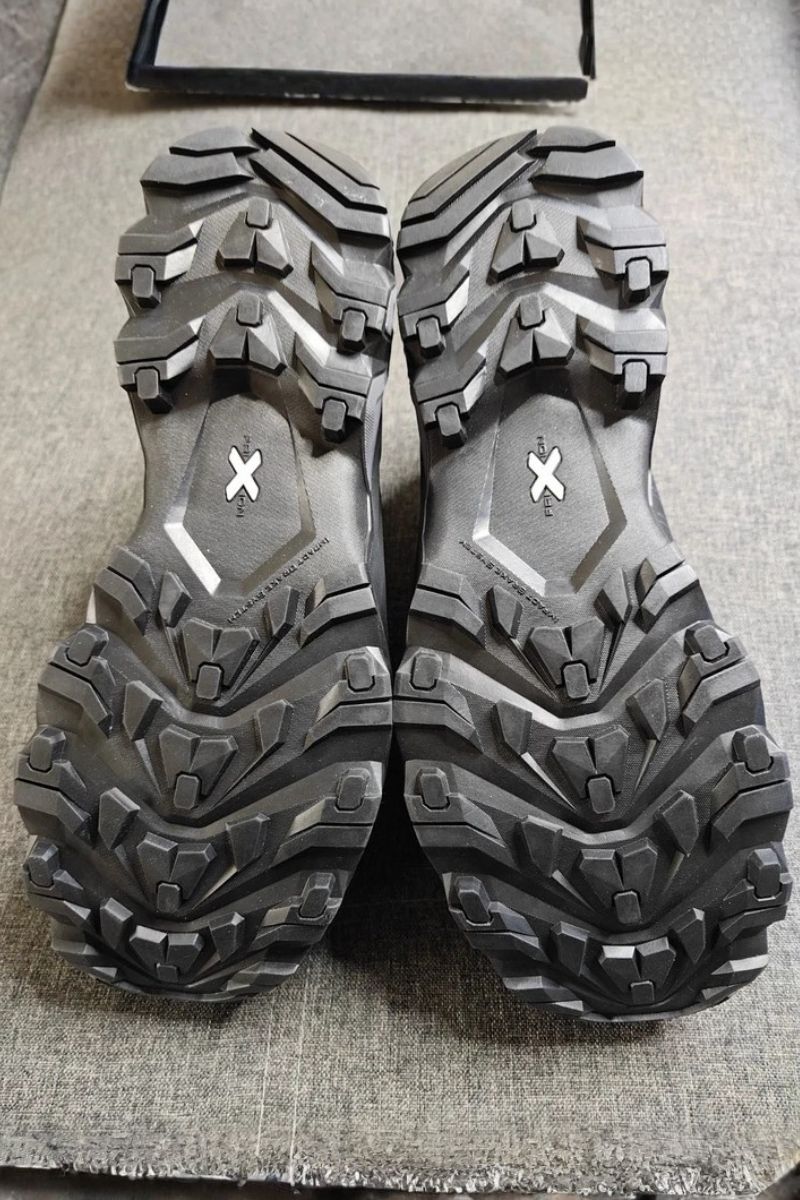
Grip held on wet polished basalt and on wet limestone, and that was the finding I cared about most going in, since published testing on this outsole splits badly on exactly that question.
La Sportiva builds the shoe around a FriXion XF 2.0 outsole with 4 mm lugs, an Impact Brake System lug layout, and a Trail Bite heel.
During testing, I found the compound tacky enough to trust on stone that had been rained on an hour earlier, and I never had the sliding sensation that makes you start choosing drier placements. Showers came through on both trips, and I kept walking at the same pace.
On scree and in mud I got more bite than I remember from the Ultra Raptor II, where I used to feel the tread pack up and lose purchase on soft climbs. Deeper, more angular lugs bite into loose ground and shed it between steps, and the heel brake gave me something to lean on during long descents.
Smooth dry rock is where I noticed a step back. The aggressive lug pattern reduces how much rubber touches the surface, so on clean dry slab I could not smear the way I could in the Ultra Raptor II. I placed my feet more deliberately during the scrambling sections.
For anyone who spends most of their time on dry slab rather than mixed mountain ground, that trade is worth knowing about before buying.
Dedicated approach shoes smear far better on clean dry rock, and slab-focused hikers are better served there.
Durability
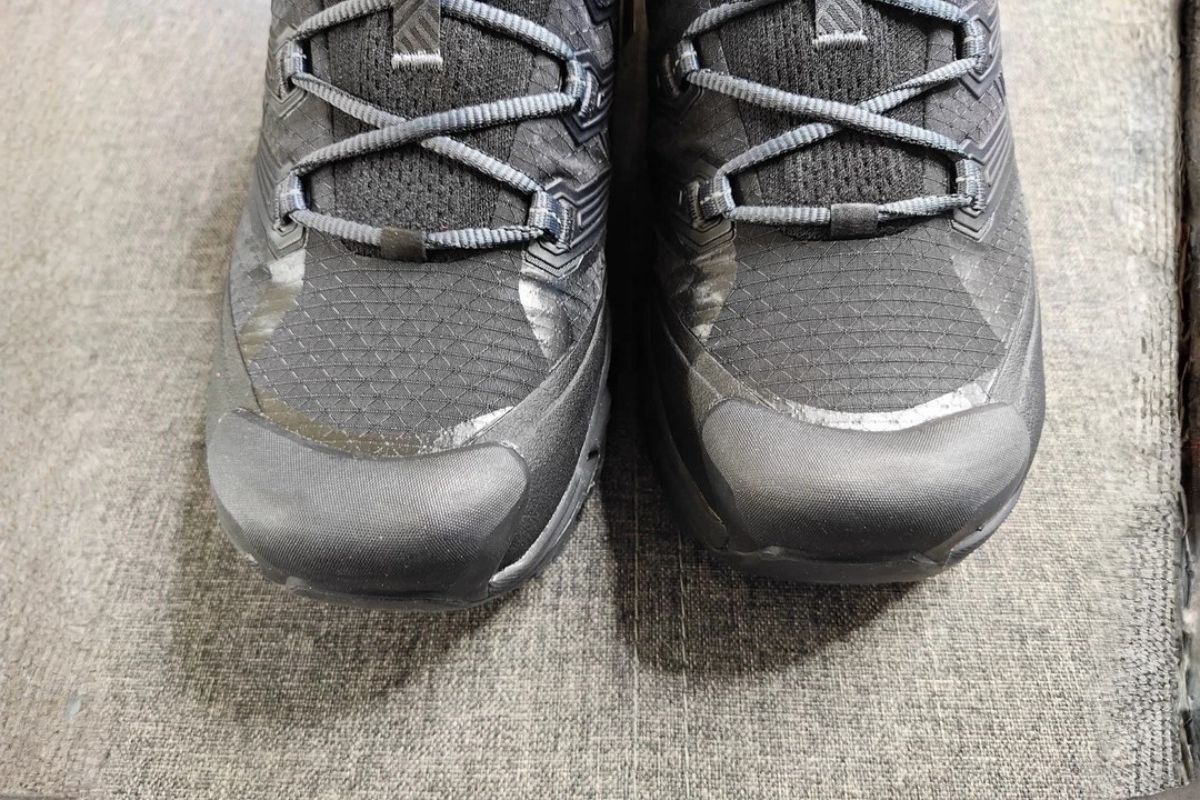
After 91 miles146 km the upper looked close to new, with no fraying at the flex point and no lifting anywhere along the rand.
That matches what I got from the Ultra Raptor II, which held together well through hard use, and the ripstop mesh here has clearly not been cheapened. The rubber toe cap picked up superficial marks from rock contact, though it stayed firmly bonded and came through the impacts undamaged.
The outsole is another story. Lugs at the forefoot have started to round off, and a compound this soft and sticky was always going to wear at that rate. Rubber that grips wet stone this well wears down faster than a harder blend, and I would rather have the grip.
Two trips cannot tell you how many seasons these last, so treat the forefoot wear as an early indicator rather than a verdict on lifespan.
For a fuller sense of the mileage to expect, we cover how long trail footwear usually lasts in a separate guide.
Comfort
These need breaking in, and that is a change from earlier Raptors, which went from the box to the trail without any fuss at all.
I noticed the stiffness on the first walk. Gave them 15 miles24 km on easy ground before committing to mountain terrain, and I was glad I had. By the time I started climbing, the upper had softened and I had stopped noticing them. Anyone who orders these a week before a trip is likely to have a bad first few days.
A few of the tricks in our guide on breaking footwear in faster helped me shorten those first days.
Underfoot, the ride runs firm rather than plush, and the midsole gives more protection than cushion. Over the long descents and the plateau days that firmness worked in my favour. I was not fighting to stay balanced on top of soft foam while carrying 18 lb8.2 kg.
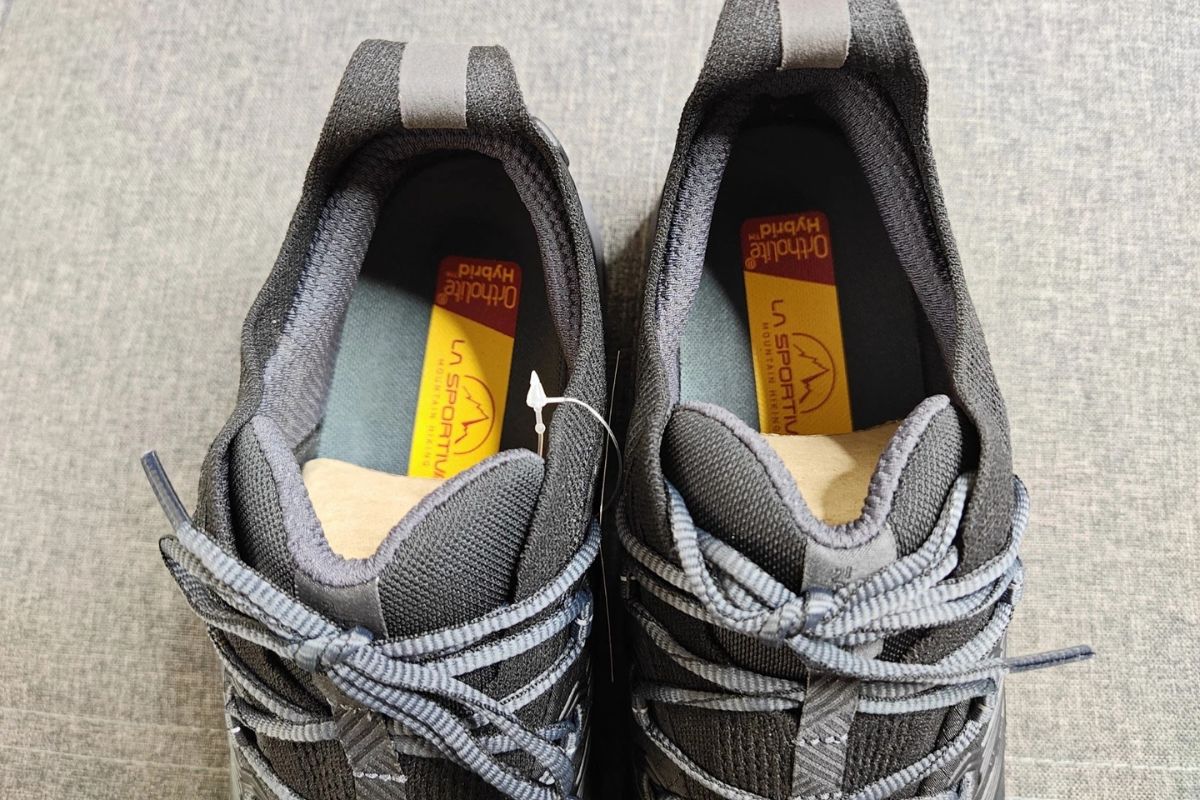
The tongue sits well. Some owners have reported the shortened tongue pressing into the front of the ankle, though I never felt it, and I could pull the laces tight without any pinching across the top of my foot.
I also left the stock Ortholite insole where it was. It held up well enough that I never reached for one of the aftermarket hiking insoles I sometimes swap in.
Weight
On foot, these sit close to the Ultra Raptor II, and if anything they feel slightly lighter, though the difference is small enough that I would not have named a winner without checking.
La Sportiva lists the women’s shoe at 10.4 oz295 g each. That puts it among the lighter options in our roundup of hiking footwear for women, if you want to weigh it against boots in the same class.
However, what that number does not convey is how much shoe I felt underfoot. Rubber toe cap, full rand, external TPU heel stabiliser, and a firm midsole all add up to something that reads as more shoe than the figure suggests.
I count that as a good outcome rather than a complaint. Protection usually costs weight, and getting this much of it under 11 oz312 g per shoe is why the long descents did not leave my legs feeling worked over.
Waterproofing
There is no membrane in this version, so rain gets in, and anyone shopping for dry feet should be looking at the GTX or Mid GTX instead.
The mesh takes on water at the surface quickly, and that comes as the flip side of how well it breathes. Showers on both trips never soaked the shoe through, though, and my feet went from damp to unpleasant rather than to wringing wet. Walking a couple of hours to the cabin after a shower, I could already see them drying on my feet.
By morning they were dry enough to put straight back on, every time, and that is what makes them workable on a seven-day trip. However, I need to point out that this worked only because it was summer. Cold, sustained rain over several days would be a different test, and one I would not choose these for.
The Ultra Raptor II behaves much the same way without a membrane, so this is a shared trait of the non-waterproof build rather than something the third generation changed.
Support
Lateral stability held on loose scree and on broken limestone, and I was less sure about this than anything else before testing. A low cut leaves out the ankle coverage that usually gets credited for stability.
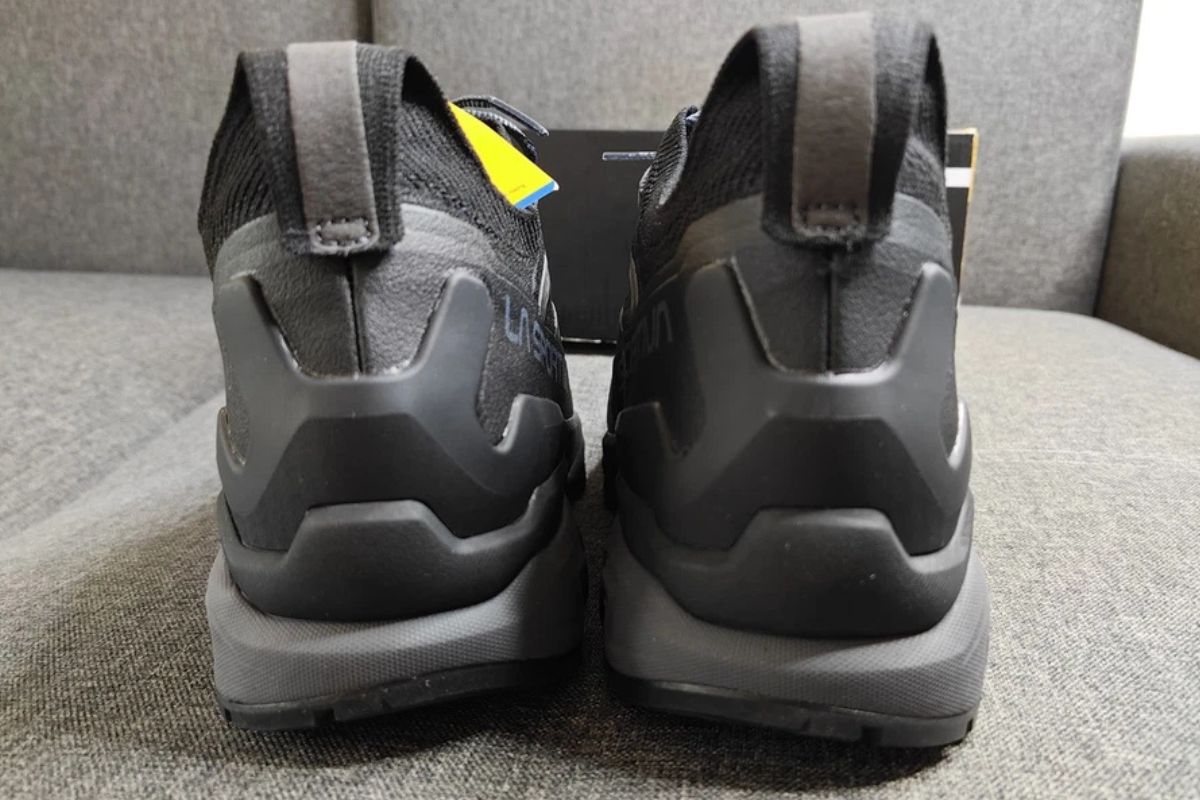
The shoe is built with an external TPU heel stabiliser and a TPU lacing harness that spreads tension across the midfoot. During testing I never rolled an ankle, never felt the platform twist under an awkward landing, and never had my foot shift inside the shoe on a steep descent with 18 lb8.2 kg on my back. Scree descents are where I expected trouble and where the shoe was most convincing.
Lacing deserves a mention here. I could set the tension in the morning and leave it there for the rest of the day, and the harness held without the slow loosening that has me stopping to re-tie other shoes by lunchtime.
Breathability
My feet stayed cool through humid laurel forest and across long exposed days on the plateau, and this is the clearest argument for choosing the non-waterproof version.
The upper is a ripstop mesh built to move air, and in dry heat that would be unremarkable. Humidity is the harder test, since sweat has nowhere to evaporate to, and this is where a lot of breathable uppers stop working.
I had no such trouble. Across seven consecutive days I never had the swampy feeling that builds when a shoe cannot shed moisture faster than a foot produces it.
Once wet, the picture changes for a while. I was uncomfortable until they dried out, and that is the honest cost of an upper this open, since the same property that gets my feet dry again by morning.
Fit and Sizing
I sized up half from my usual size, and that is what a wide foot needs in this shoe, since the widened forefoot is a real improvement without being enough on its own.
La Sportiva has opened up the front of the shoe compared with the Ultra Raptor II, where the toe compartment pressed on me from the first mile. Coming straight from that pair, the difference was obvious.
At true size, though, the Ultra Raptor 3 still runs narrow for a wide foot, and the last is a medium-volume Tempo 2 with no wide version offered anywhere in the model.
The half size up solved it for me. My toes had room to splay on the long descents, I got no heel lift on the steepest descent, my foot never slid forward, and I finished both trips without a single toe hitting the front. Sizing up sometimes costs heel security, and here it did not.
Whether that works for you depends on how wide your foot is. Half a size handled mine. A foot wider than mine may need a full size up, which starts to create length problems, and at some point the sensible answer is a different shoe built around a roomier last.
How the HOKA Challenger 8 Compares
Ultra Raptor 3 vs La Sportiva Ultra Raptor II
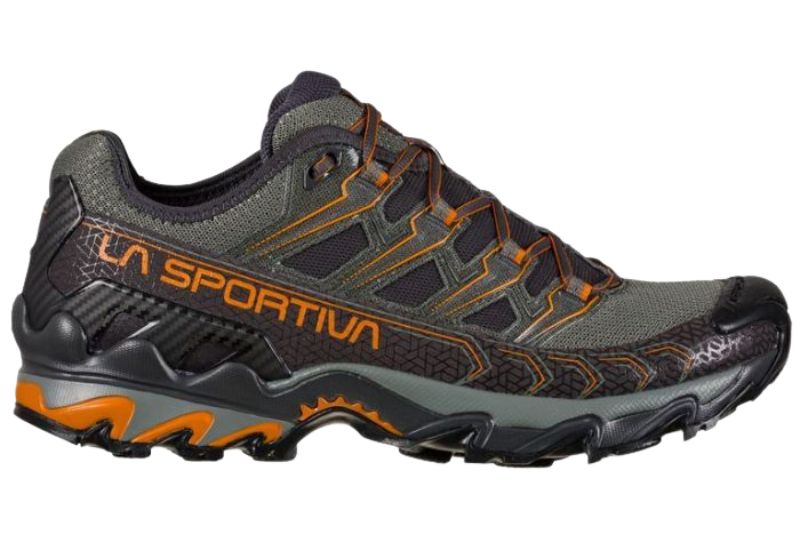
Having put miles on both, the third generation is the better shoe for mixed mountain ground and the worse one for dry slab. Forefoot room is the headline change, and it is the reason I can wear this model at all. Scree and mud grip improved noticeably.
Breathability improved by more than that, since the Ultra Raptor II ran middling for airflow and this one runs cool.
Weight comes out at 10.4 oz295 g per shoe here against roughly 11.85 oz336 g for the women’s Ultra Raptor II at US 8.5. One thing the II offered that the 3 does not is a wide version, a strange direction to move in for a shoe marketed on extra room.
Ultra Raptor 3 vs Salomon X Ultra 5 GTX
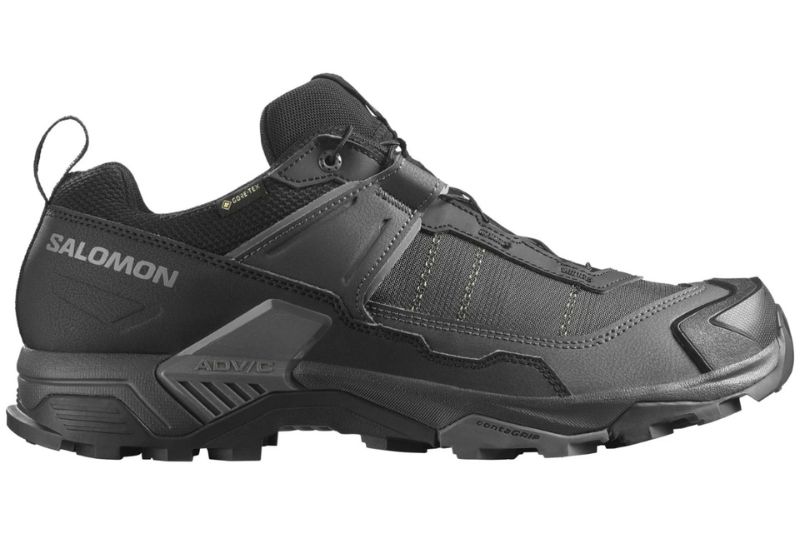
The Salomon X Ultra 5 GTX solves a different problem. It has a Gore-Tex membrane and keeps feet dry in conditions where the Raptor gives up immediately, and its Advanced Chassis gives it a planted, structured feel on off-camber ground.
Where the Raptor pulls ahead is wet rock and warm weather. Our testing of the Salomon turned up slips on glazed sandstone and heat building above 70 °F21 °C, both of which are situations where I would take the Ultra Raptor 3 instead. The Salomon comes in at 11.3 oz320 g per shoe for the women’s GTX Low. Fit runs narrow in both, though Salomon at least offers a wide.
Ultra Raptor 3 vs KEEN Targhee IV Mid
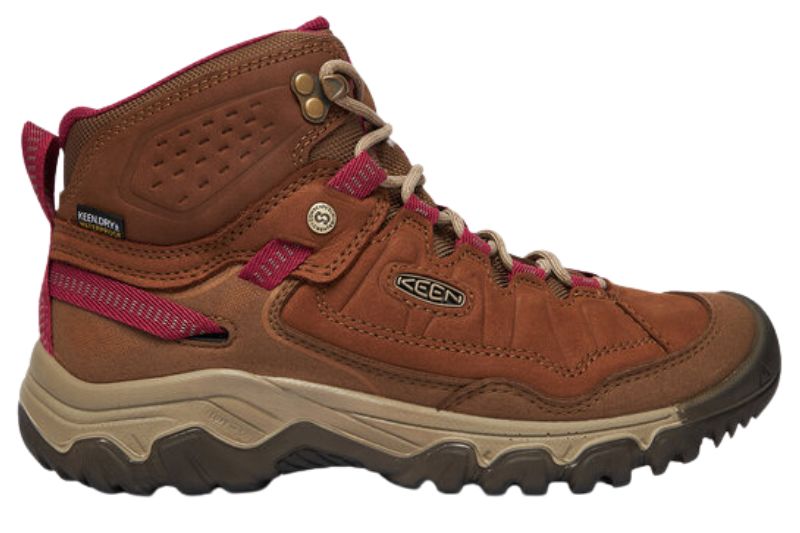
For a foot that half a size will not fix, this is where I would send you. The KEEN Targhee IV Mid has a roomy toe box with real space for splay, and it sits high in our best hiking boots for wide feet guide for that reason.
Cut and purpose differ, since the Targhee is a waterproof mid boot at 17.28 oz490 g per shoe for the women’s version against 10.4 oz295 g here. It gives you waterproofing and ankle coverage and asks for weight and warmth in return, running hot past the mid-60s °Faround 18 °C. The Targhee also came out weakest on wet rock in our testing, and that happens to be where the Raptor is strongest.
Where the La Sportiva Ultra Raptor 3 Performs Best
The shoe was built for warm-weather mountain hiking, and that is where it earns its price. Humid forest, exposed ridgeline, and long summer days with a pack under about 20 lb9 kg all played to its strengths across both trips.
I would say the same for technical and loose ground. Scree, broken limestone, wet stone, and steep descents are where the outsole and the low-cut stability combine into something you can move quickly on. It sits between a hiking boot and a trail runner, and I never felt I was compromising in either direction.
Multi-day trips work too, provided the forecast is not grim. Drying overnight is what makes seven consecutive days realistic in a shoe with no membrane.
Where the La Sportiva Ultra Raptor 3 Falls Short
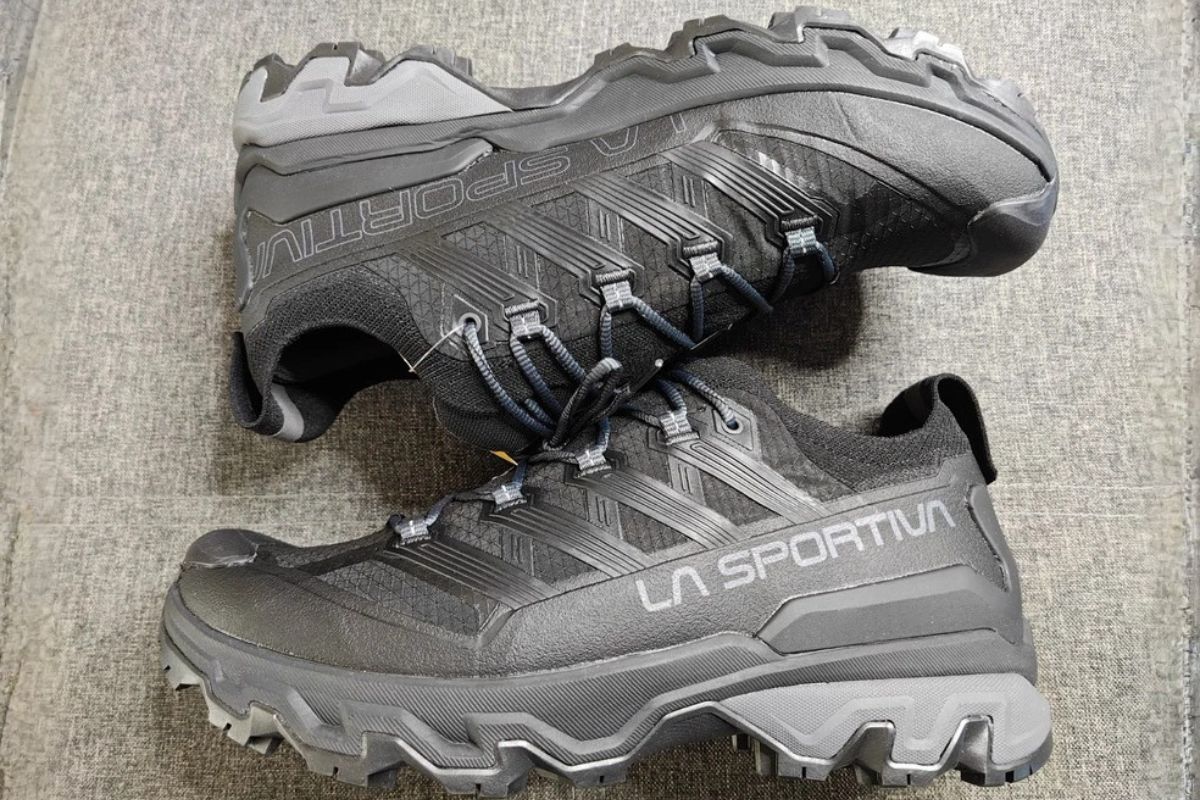
Cold or sustained wet weather rules it out. One shower and a warm afternoon is manageable, while three days of steady rain in October is a different proposition entirely, and the GTX version exists for that reason.
Wide feet are the other limit. The forefoot opened up, the wide size disappeared, and hikers past a certain width will run out of options inside this model no matter how they size.
Anyone logging heavy mileage should factor in the outsole. Soft rubber that grips wet stone wears faster, and my forefoot lugs are already showing it. Buyers who want a shoe that performs from the first mile should also look elsewhere, since the break-in here is real.
Do We Recommend It?
La Sportiva Ultra Raptor 3
For warm-weather hikers who want grip and airflow more than they want dry feet, and who are willing to put in the break-in miles before a trip, the Ultra Raptor 3 is a great choice.
Buy them half a size up if your foot is wide, and order early enough to walk them in properly. At $169 they undercut most of the waterproof competition, and the breathability is worth more in summer than a membrane is.
If your foot is wide enough that half a size will not do it, or if you hike mostly in cold and wet conditions, look at the Targhee IV or the GTX version of this shoe instead.
Where to Buy
| WHERE TO BUY? | MEN | WOMEN |
| Amazon | See Pricing» | See Pricing» |
| Backcountry | See Pricing» | See Pricing» |
| REI | See Pricing» | See Pricing» |
FAQs
The base Ultra Raptor 3 has no waterproof membrane, so rain will reach your feet. La Sportiva sells a GTX low version and a Mid GTX boot with Gore-Tex if you need dry feet. The upside of the non-waterproof build is airflow in warm weather and much faster drying afterward.
They run slightly small with a medium-volume fit. I wear a wide foot and sized up half, which gave me room to splay without losing heel security on descents. Hikers with average-width feet often find true size works. There is no wide version of this model available.
Prices in this article are approximate and updated annually. Check the retailer for current rates.