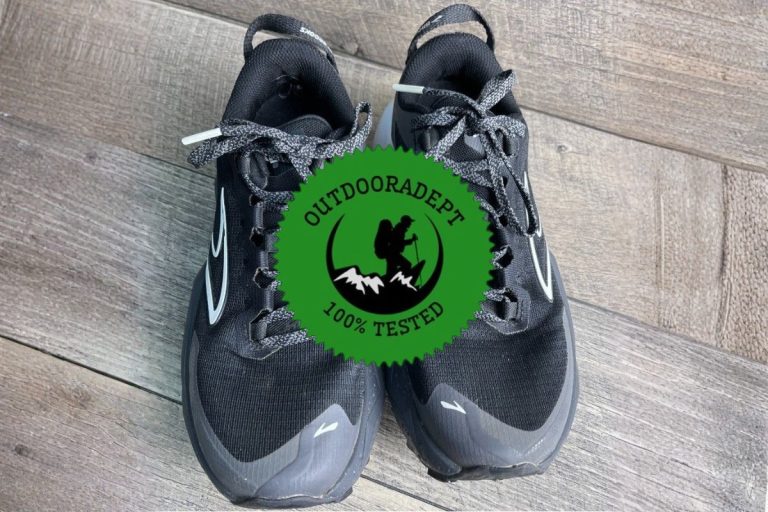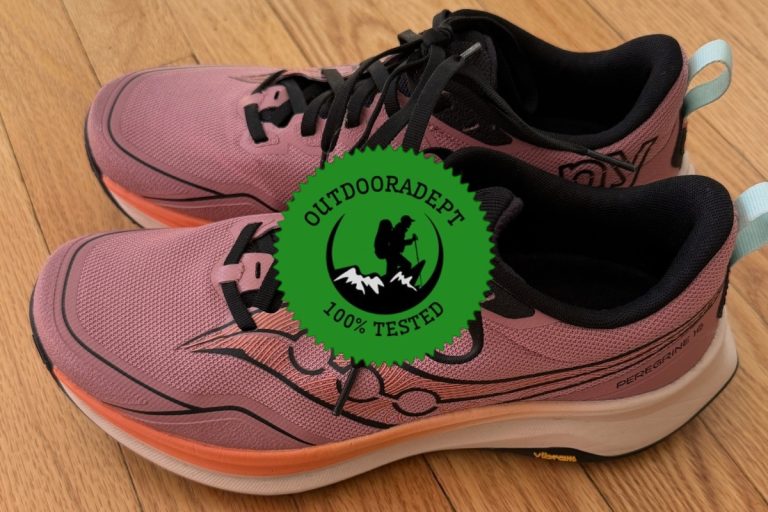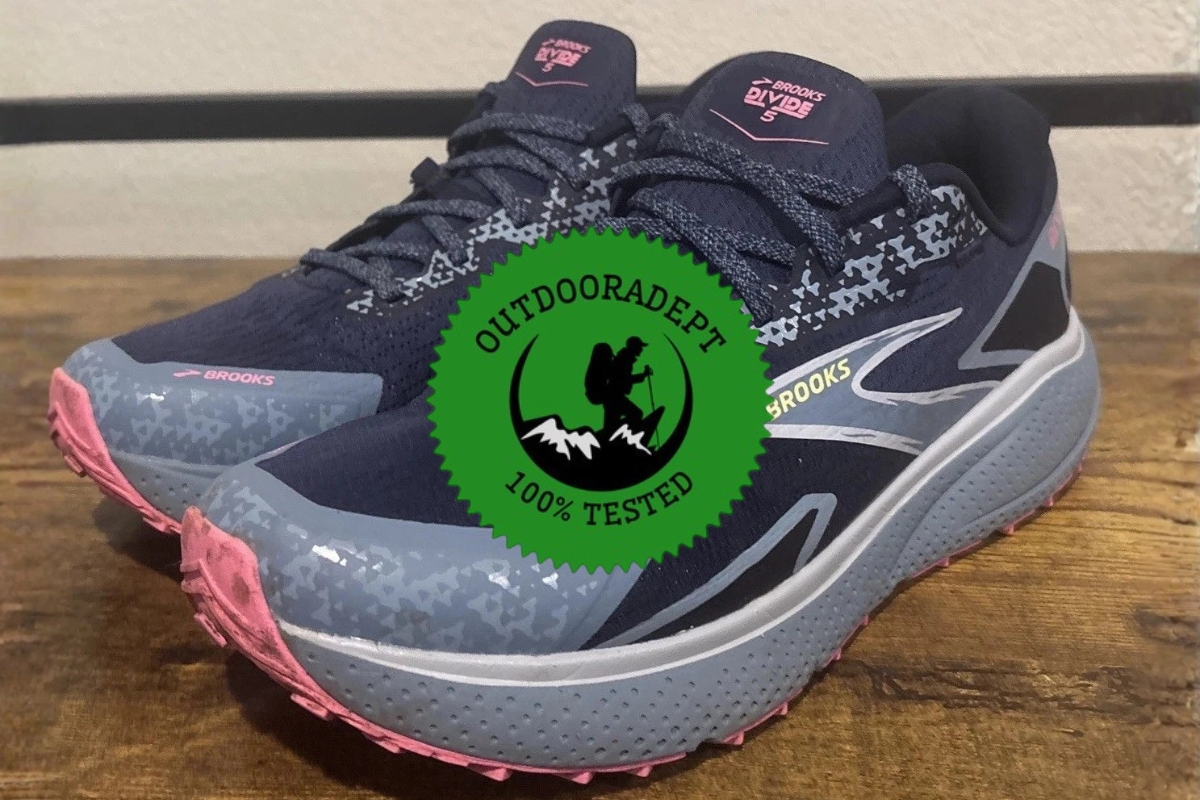
My Italy adventure continues, this time with the Brooks Divide 5, which we decided to test in the hills south of Naples. It proved to be a great mix of hiking and easy running, followed by way too generous (but welcome) portions of pasta.
Brooks launched this fifth version of the Divide in 2024 and sells it on its “road-to-trail versatility.” I wanted to see how that works for a hiker with a pack, and whether the shoe had room for my wide feet. By the last outing, I knew the forefoot would decide how long I’d want to stay out in them.
In this guide
Quick Verdict: 3.9/5
Brooks Divide 5
I’d take the Brooks Divide 5 on hardpack and firm gravel, where it felt light and predictable underfoot. Switching from a walk to an easy jog and back felt natural, with no change in technique. My pair needed no break-in, and the mesh let out enough heat on the jogging stretches.
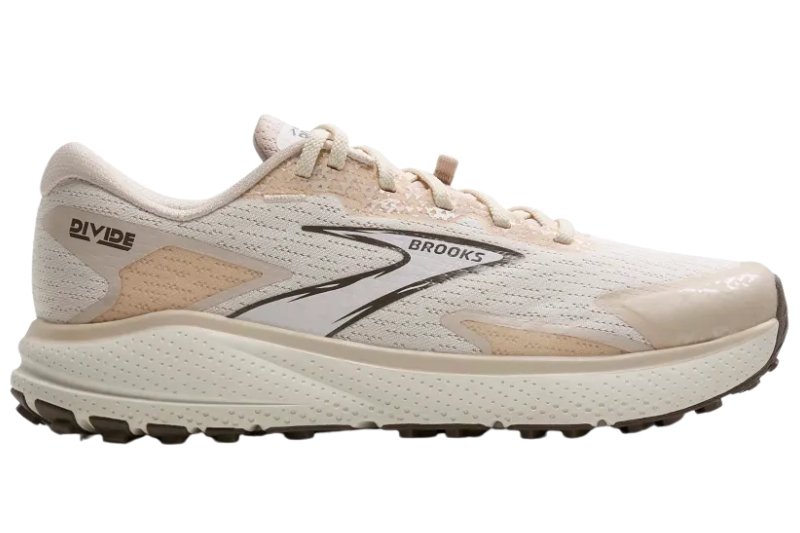
I’d keep it to outings of a few hours with little rock. The length ran true to size for me, but my wide forefoot wanted more room from about 5 miles8 km on. I also slowed down on loose stones and rocky stretches. On sale, I think it’s good value for short, easy-to-moderate routes with some pavement mixed in.
Skip it if you hike full days on wide feet, or on trail that stays rocky for hours. A half size up, the Nike Wildhorse 10 left my wide forefoot more room, and I felt more confident on rock in the HOKA Speedgoat 7 and its Vibram Megagrip lugs.
Highlights
| Feature | Brooks Divide 5 |
|---|---|
| Specs | |
| Weight | 9.4 oz267 g per shoe, women's US 8.5 · OutdoorAdept 10.2 oz289 g per shoe, men's US 9 · Brooks |
| Fit | True to size; snug outer forefoot for wide feet after a few miles · OutdoorAdept |
| Waterproofing | Not waterproof; air mesh upper; GTX version available |
| Stack height | 24 mm heel · Brooks 16 mm forefoot · Brooks |
| Heel-to-toe drop | 8 mm heel to forefoot · Brooks |
| Lug depth | Not published by Brooks |
| Adjustability | Standard lace-up; tongue gusseted on both sides |
| Upper | Breathable air mesh with TPU overlays |
| Midsole | DNA LOFT v2 foam; 4 mm more than the Divide 4 |
| Outsole | TrailTack Green rubber; about a quarter recycled |
| Widths | One width only; women's Medium (B) and men's Medium (D) |
| Toe Protection | TPU toe cap and mudguard; no rock plate in the Divide 5 specs |
| Release | 2024 |
| Price | $110 |
| Figures credited to OutdoorAdept are our own measurements. The rest are the brand’s published specs. How we test | |
| How it performed | |
| Traction | 4/5 Predictable on hardpack and firm gravel; slower over loose stones and rock |
| Comfort | 4/5 Moderately soft; road-like ride; no break-in; stones felt on rocky ground |
| Breathability | 4/5 Air mesh vents heat when jogging; no excessive sweating in mild weather |
| Durability | 4/5 Early read; light outsole scuffs; no chunked lugs or toe cap lifting |
| Arch Support | 3.5/5 Neutral and modest; no pressure point; more wanted for long climbing days |
Tap a star to vote. Tap the left half of a star for a half star.
Thanks, your rating counts
It is now part of this shoe’s community score. Changed your mind? Tap a different star.
See how it ranks on the full leaderboard →PROS
CONS
Trail tips, news and giveaways
One email a month: hiking tips, gear news, giveaways, fresh footwear verdicts and more. No spam, unsubscribe anytime.
How We Tested
Between October 14 and 18, 2026, I wore the Brooks Divide 5 on four outings around Monte Faito in the Monti Lattari, south of Naples. My pair was a women’s US 8.5 in B, the standard width. The outings added up to about 20 miles32 km and 4,100 ft1,250 m of climbing, roughly 5 miles8 km per outing. I hiked most of the distance and jogged short, easy stretches where the ground was smooth.
The routes mixed compact dirt and gravel access roads with forest paths and loose, rocky sections, and stretches of pavement linked the trails. Conditions stayed dry and mild, from 57 to 72 °F14 to 22 °C, though some mornings started on grass wet with dew.
I carried a 9 lb4 kg pack and wore medium-weight merino socks with the stock insoles. I also weighed one shoe on our scale. The 3.9 verdict averages the five performance scores in the Highlights table. We follow the same testing routine for every pair we review.
Things We Tested When We Reviewed the Brooks Divide 5
Traction
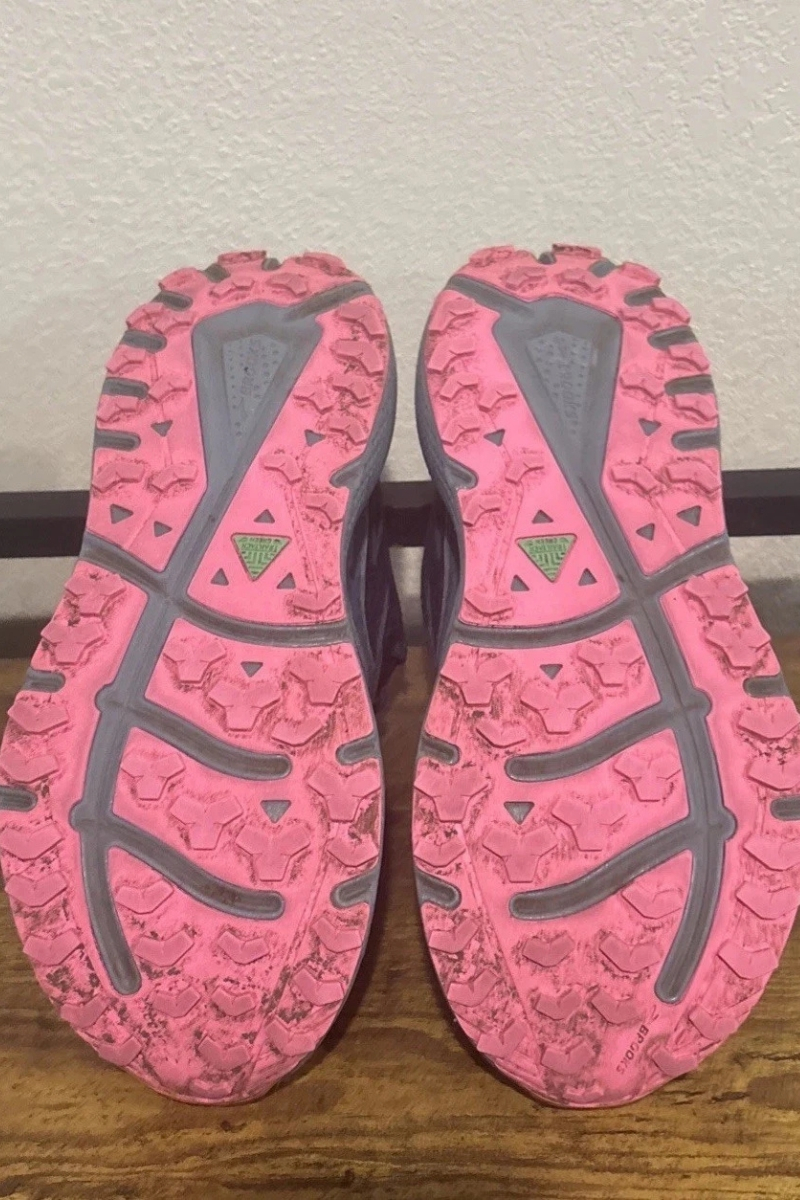
Compact dirt and firm gravel suited the Brooks Divide 5 well, and its grip felt predictable there at a steady walk or an easy jog. The outsole is Brooks’ TrailTack Green rubber, made with 25% recycled content.
The shallow lugs put more rubber in contact with hard ground, which may be why I trusted the grip most there. They also made the step onto pavement feel smooth.
One gravel section had small loose stones scattered over hard ground. I shortened my stride and slowed down there, and the grip felt predictable again once I reached the firmer patches.
Loose stones on the descents and loose gravel along the edges of paths had me watching my feet the same way. Low lugs have less to bite into on loose stones, so you may want to slow down there too if your trails carry gravel like that.
I crossed the rocky stretches by easing off and choosing my steps, and I didn’t trust the grip enough to hurry. Brooks says the rubber grips on wet and dry terrain. Apart from dewy grass on some mornings, my outings were dry, so I can’t speak for wet rock or mud.
If you plan to run over broken ground, the Saucony Peregrine 16 and its 4 mm Vibram Megagrip lugs may suit you better.
Durability
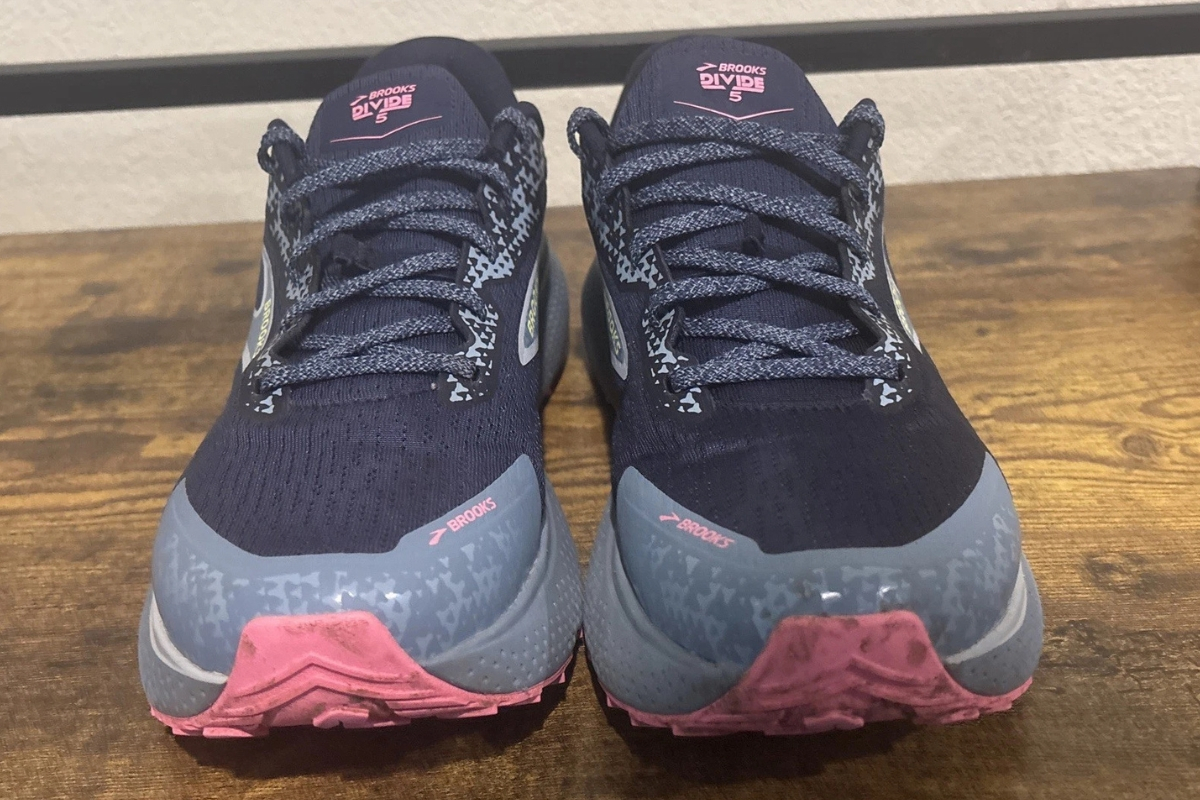
My Brooks Divide 5 came through four outings with only minor scuffs on its toe cap, and the cap shows no sign of lifting from the upper so far. It’s a layer of firm TPU plastic over the front of the mesh. Brooks adds it to guard against rocks and roots, and the cap handled the odd knock against small stones.
The outsole has light scuffs on the main contact areas, and no lug has lost a chunk. That’s an early check at about 20 miles32 km, and I’d want many more miles on the pair before telling you how long the rubber will last.
Comfort
I needed no break-in with the Brooks Divide 5, and it felt comfortable from the first outing. Brooks promises a familiar road-shoe fit, and the ride felt road-like at a steady walk and through the short jogs.
The midsole is DNA LOFT v2 foam, which Brooks describes as soft and responsive. Brooks added 4 mm of foam to this version for a softer ride, and retailer listings put the new foam at 10% lighter than before. On my feet, it was moderately soft, with enough give to cushion firm ground while the ride stayed direct.
I’d call the cushioning practical by the end of a longer outing. I could still feel the shape of the ground through it on rocky sections, so you’ll probably feel stones there too. My only discomfort came from the snug forefoot (more on that in Fit and Sizing).
On long outings over moderate trail, I’d reach for the Brooks Caldera 8 instead. Its nitrogen-infused DNA LOFT v3 foam gives more cushioning, and even in its single Medium width, the forefoot left my wide feet enough room.
Weight
Nothing about the Brooks Divide 5 felt like a heavy hiking shoe, at a walk or a jog. I weighed one of my women’s US 8.5 shoes at 9.4 oz267 g on our scale.
The lighter DNA LOFT v2 foam and the air mesh upper both help here. I noticed the light build most on steep, uneven sections, where a little more structure would have helped. Weight would come third for me, after fit and terrain.
Waterproofing
The standard Brooks Divide 5 has a breathable mesh upper with no waterproof membrane. For wet weather, Brooks makes the Divide 5 GTX, with a GORE-TEX Invisible Fit membrane bonded directly to the upper. Brooks says bonding it this way gives a lighter, more flexible fit.
My pair was the standard version, and apart from morning dew on the grass, the weather stayed dry. Dew makes for a polite sort of water test. My feet never got properly wet, though the water clinging to the outer mesh left them feeling a little damp.
Judging by that, I wouldn’t take this version into proper wet weather. I had no rain to test in, so I can’t say how it copes with a soaking or how long it takes to dry. I didn’t test the GTX either. It lists at $140.
Support
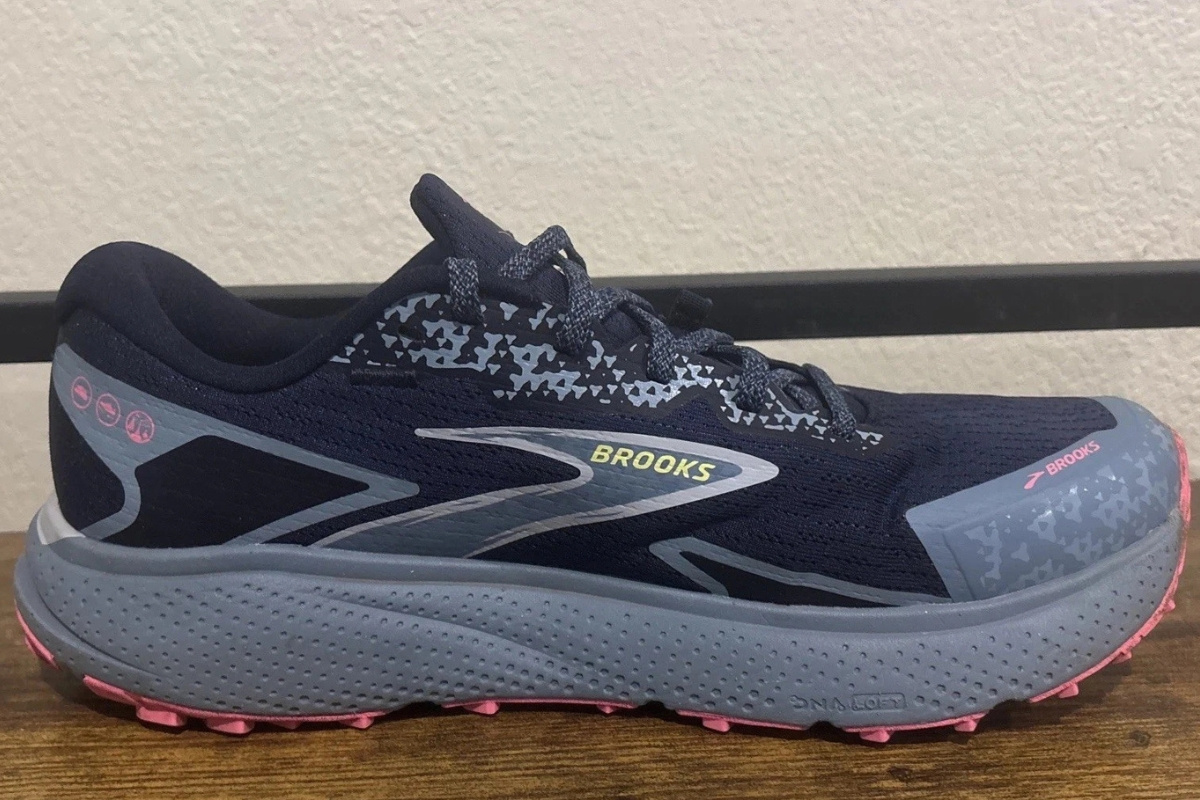
The Divide 5 is a neutral shoe, with nothing built in to stop your foot rolling inward (pronation control). It felt straightforward on flat trail.
I moved more freely on side slopes and irregular stones than I would in a bulky hiking shoe. The trade-off was little support there, so I placed each foot with care. With the laces loose enough to spare my forefoot, my foot never felt locked in on descents.
I didn’t roll an ankle, though, so the pasta afterward never had to double as consolation. For mixed routes like mine, the stability felt adequate.
The arch support felt modest to me. My arches stayed comfortable for several hours on moderate trail, with no pressure points. I’d want more support underfoot for a full day of sustained climbing and descending.
Breathability
My feet warmed up whenever I picked up the pace to jog in the Brooks Divide 5. The open mesh let out enough heat to keep that from becoming a distraction. The upper is a breathable air mesh with TPU overlays, light enough to let warm air escape.
Temperatures peaked at 72 °F22 °C across the four outings, and I didn’t notice excessive sweating. For dry-weather hiking where airflow comes first, I’d stick with this standard version over the GTX.
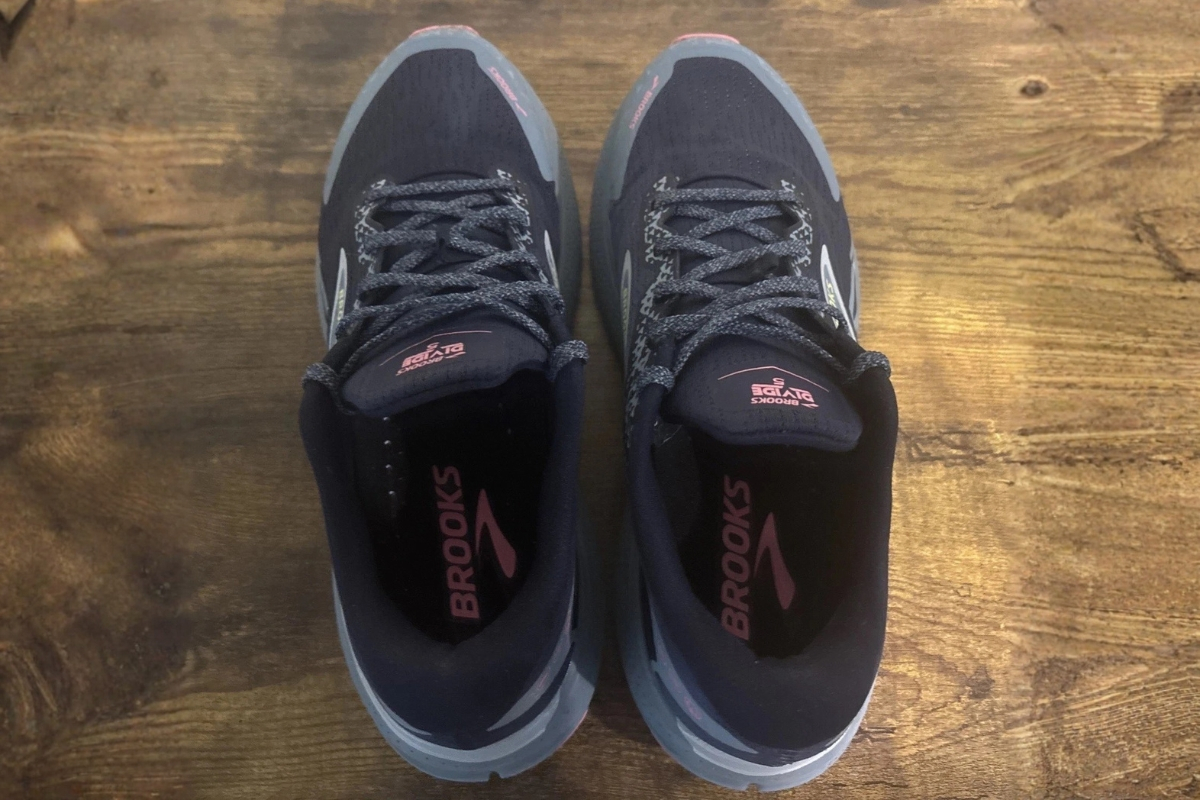
Fit and Sizing
My usual women’s US 8.5 was the right length in the Brooks Divide 5, with no need to size up.
The front of the shoe gave my wide feet less room than I like. Toward the end of each outing, around 5 miles8 km in, I felt pressure build along the outer edge of my forefoot, near my little toe. My toes wanted more space to spread on descents, and after a long one, I knew exactly where my little toe was.
The pressure never gave me a blister, and the snugness was manageable on short, even stretches.
I didn’t try a half size up. It worked in the Nike Wildhorse 10, but a longer Divide 5 isn’t necessarily wider where your forefoot needs it, and the extra length can loosen the heel. If your feet are wide, try both sizes in a store before you buy, if you can.
My heel held on descents once I’d adjusted the laces, with no significant lift. The forefoot already sat close around my foot, so I laced only snug enough for my midfoot, at the cost of a locked-in feel going downhill.
The tongue is joined to the upper on both sides (gusseted), and on my pair it never slid off-center or folded under the laces. The gusset is there to keep the midfoot secure on uneven ground, and mine stayed put without tight lacing.
How the Brooks Divide 5 Compares
Brooks Divide 5 vs Brooks Cascadia 20
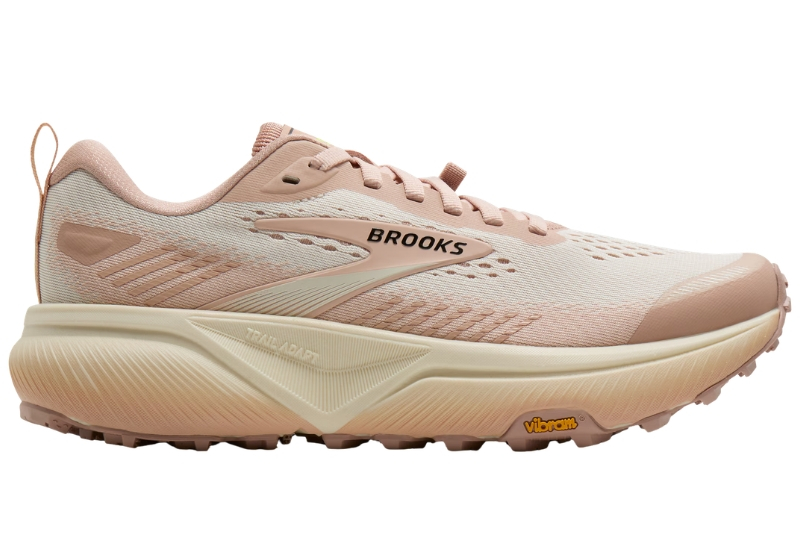
I had more confidence in the Brooks Cascadia 20 than in the Divide 5 on rocky ground and uneven descents. It grips with Vibram Megagrip rubber and 4 mm lugs. Its firmer DNA FLASH v2 midsole gave me a steadier platform when every step needed careful placing.
The simpler Divide 5 felt more at home on easier paths, and lighter on foot.
The Cascadia lists at $160 against the Divide’s $110. If your routes turn rough and rocky, I think the Cascadia justifies the higher price.
Brooks Divide 5 vs HOKA Challenger 8
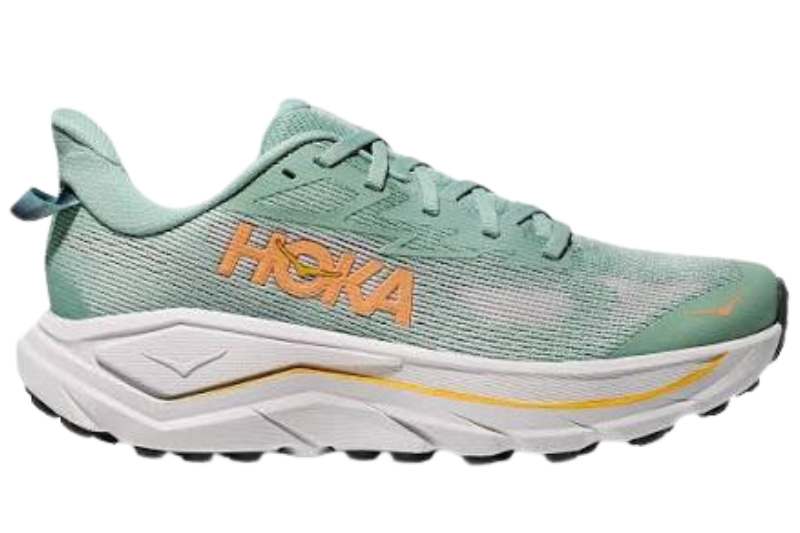
When pavement makes up much of the route, the HOKA Challenger 8 may serve you better than the Divide 5. Its soft compression-molded EVA foam and gentle rocker suit long stretches on hard surfaces. HOKA also leaves most of the midfoot untreaded so the shoe rolls smoothly on pavement.
I found the Divide more straightforward underfoot. Both list an 8 mm heel-to-toe drop, so the difference comes from the foam and the rocker.
The Challenger’s tall, soft stack felt unsteady to me on technical ground, and on steep or uneven trail I’d look past both shoes for something more planted. HOKA prices the Challenger at $155 and makes a wide width, an option the Divide lacks. Its listed weight is 8.1 oz230 g per shoe in a women’s US 8.
Brooks Divide 5 vs Nike ACG Pegasus Trail
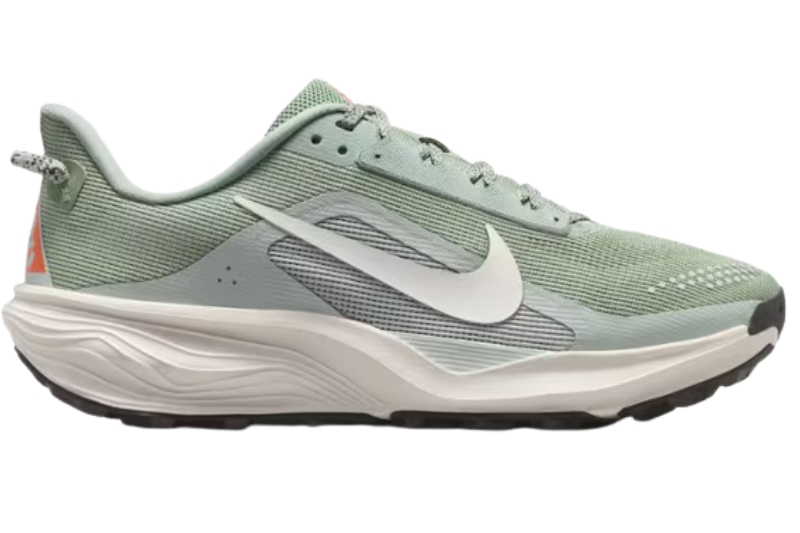
Nike redesigned the toe box on this version of the Nike ACG Pegasus Trail and added room across the front. It fit my forefoot better than the Divide 5 in the same size. It would suit wide feet on long mixed-surface days, where pressure would otherwise build at the front of the Divide.
The Divide 5 makes more sense if price comes first and the route is easy. My Nike pair, also a women’s US 8.5, weighed 8.9 oz253 g per shoe, 0.5 oz14 g less than the Divide. It runs on Nike’s ReactX foam with an 8 mm drop and lists at $155.
Where the Brooks Divide 5 Performs Best
The Brooks Divide 5 felt at home on outings that link pavement to forest trail, where you hike the climbs and jog the smooth sections in between. I could change pace on dirt tracks and firm gravel without thinking about my shoes. A few hours at a time on ground like that suited me well.
Brooks aims the Divide at runners new to trail, and I think it could also suit road runners who want a shoe that can handle the occasional hike. If you plan to put regular road miles on trail shoes, our guide to trail runners on pavement covers what to expect.
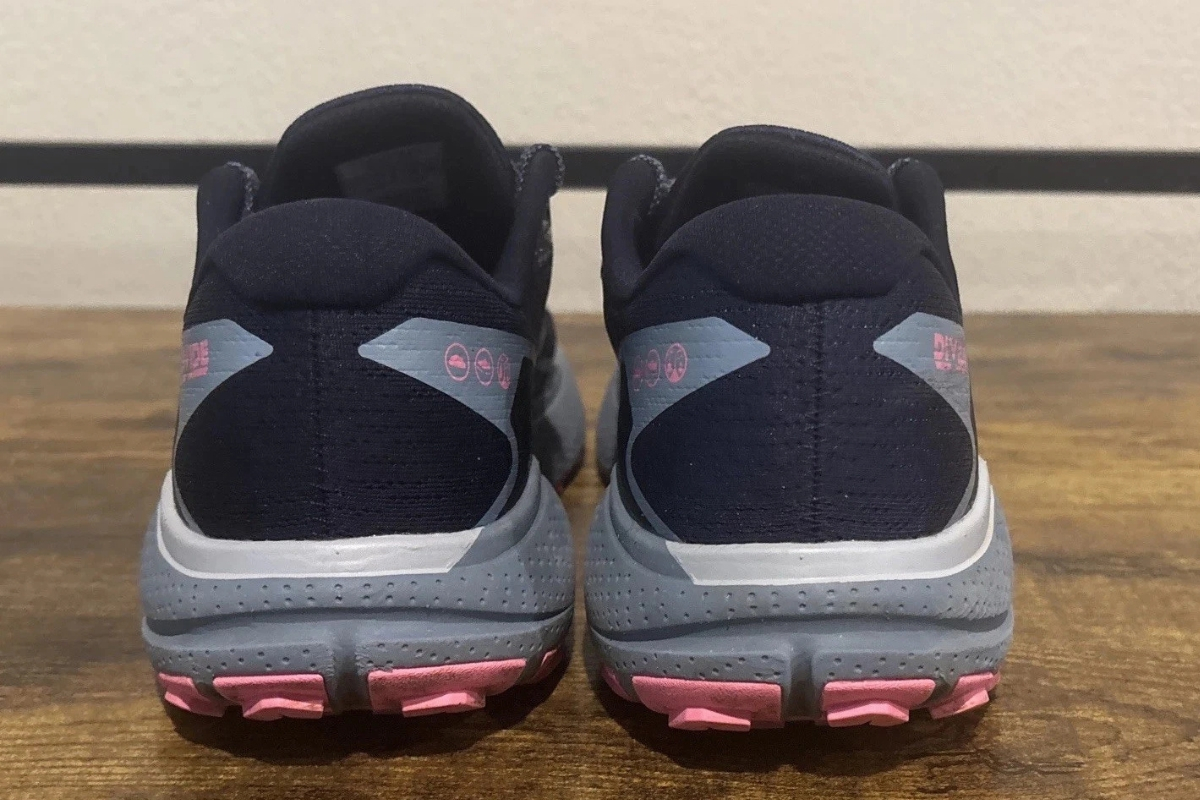
Where It Falls Short
My forefoot started to want more room at around 5 miles8 km, mostly on the descents. Unless your feet are narrower than mine, I’d plan on a different shoe for anything longer, ideally one sold in a Wide.
Long rocky stretches are the other weak spot. I felt stones through the sole there and eased off to pick my steps. On a full day of sustained climbing and descending, I’d also want more arch support than the Divide gives.
For days like that, I’d look at the La Sportiva Ultra Raptor 3. It kept me stable on loose scree and broken limestone, and its arch support held through a seven-day block with only mild fatigue toward the end. It has no Wide version and runs narrow for wide feet, so I wore it a half size up.
Do We Recommend It?
Brooks Divide 5
After four outings in the hills south of Naples, I recommend the Divide 5 for short, easy-to-moderate routes. I’d buy a pair on sale for exactly that. The list price is $110, and US retailers often discount it. Marked down, I think it’s good value for compact trail and gravel with some pavement mixed in. The forefoot makes me hesitate for regular long hikes.
They should suit you if your outings stay under about 5 miles8 km of dirt and gravel with a pack of 9 lb4 kg or so. The Divide 5 scores 3.9 on our footwear leaderboard.
Where to Buy
| WHERE TO BUY? | MEN | WOMEN |
| Amazon | See Pricing» | See Pricing» |
FAQs
Not officially. Brooks’ US site lists no price or release date for it, and Amazon US only has a limited number of pairs. US running stores carry the Divide 5, the version we tested.
Brooks added about 4 mm of DNA LOFT v2 foam for a softer ride and moved the outsole to TrailTack Green rubber. My only miles are in the 5, and our Divide 4 review tested the earlier version.
Tap a star to vote. Tap the left half of a star for a half star.
Thanks, your rating counts
It is now part of this shoe’s community score. Changed your mind? Tap a different star.
See how it ranks on the full leaderboard →Prices in this article are approximate and updated annually. Check the retailer for current rates.