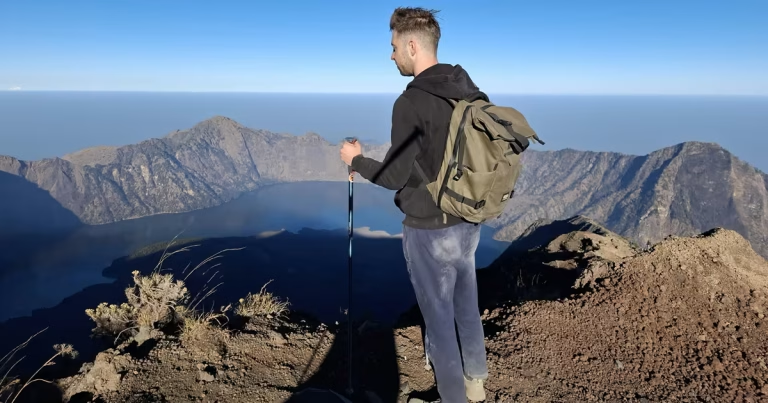
If you look at photos of the Pacific Crest Trail, it seems like one continuous highlight reel. Alpine lakes and volcanic ridges and desert sunsets. It indeed is all of those things, which explains why so many people have this legendary thru-hike on their lists.
But it’s also five months of logistics, permit stress, and figuring out how to feed yourself across 2,650 miles4,265 km of hiking trail with no refrigerator and no fixed plan.
Every thru-hiker I’ve met has said some version of the same thing. Everyone romanticizes the scenery. Nobody warns you enough about the planning.
This hike guide covers that side. Permits, timing, money, what to expect region by region. The stuff that actually gets people to the northern terminus, and the stuff that trips up the many who don’t make it.
Pacific Crest Trail Stats
| Distance | 2,650 miles4,265 km |
|---|---|
| Elevation gain | 489,000+ feet149,000+ m |
| Time | 4 to 6 months for a thru-hike |
| States | California, Oregon, Washington |
| Season | April through September (NOBO); June through November (SOBO) |
| Budget | $6,000 to $10,000+ on trail |
Best Time to Hike the PCT
Northbound thru-hikers start between mid-April and early May from the southern terminus near Campo, California. That window lets the Sierra snowpack consolidate before you arrive in June or July. It also leaves enough runway to clear Washington before October storms, which is its own separate anxiety. Most northbound hikers start between April 15 and May 1, and that window exists for a reason.
Southbounders have a tighter launch. They leave from the Canadian border sometime between late June and mid July, waiting for enough snow to melt in the North Cascades before the route opens up.
Trail tips, news and giveaways
One email a month: hiking tips, gear news, giveaways, fresh footwear verdicts and more. No spam, unsubscribe anytime.
How Long Does the PCT Take?
Either way, conditions shift year to year. A heavy snow season pushes everything later regardless of what the calendar says. Check the PCTA’s conditions page before locking anything in.
Most NOBO thru-hikers finish in 4.5 to 5.5 months. Your daily mileage changes dramatically over the course of the hike. Early desert days might be 15 miles.24 km. By Oregon, 25 to 30 miles40 to 48 km becomes normal because the terrain is gentle and your legs are machines by that point. The Sierra slows everyone down regardless of fitness.
Section hiking is the other option, and honestly, the more realistic one for anyone with a job and a lease. Pick a stretch, get permits from the local agencies, go. The John Muir Trail through the Sierra is the most popular section and also the hardest to get permits for.
Difficulty and Fitness
The PCT isn’t technical the way the GR20 or the Haute Route is. No chains, no scrambling. But the length of it breaks people in ways that shorter, harder trails can’t.
Your body adapts over the first month if you let it. Blisters, shin splints, sore knees, all of that hits in Southern California and gradually fades as you toughen up.
The Sierra demands basic snow travel skills in early season, river crossings that get genuinely dangerous during snowmelt, and the fitness for sustained climbing above 10,000 feet.3,000 meters.
Physical preparation helps but the mental side is the real filter. Loneliness and boredom end more thru hikes than injuries.
Every thru-hiker I’ve spoken to said the same thing: they trained their legs but nobody told them to train their head.
Pacific Crest Trail Permit Process
The PCTA issues free long-distance permits for anyone trekking 500 continuous miles800 continuous km or more. Registration opens late October, first permit release mid-November, second in January.
Registration and application are separate steps, and people mess this up constantly. Register weeks before the release. On permit day, you get a random appointment time between 10:30 a.m. and 3 p.m. Pacific, log in at your slot, pick your trailhead, and start date. Popular NOBO dates from Campo fill in minutes.
Northbound permits cap at 50 per day south of Sonora Pass, available March through May only. Southbound gets 15 per day, June 15 through July 31.
One more logistical wrinkle
Also worth knowing, as of January 2025, Canada’s Border Services Agency killed the PCT entry permit program. Crossing the border on foot is now illegal in both directions. Northbound hikers reach the monument at Mile 2,650,4,265, take the photo, turn around.
Hart’s Pass is the nearest trailhead with road access, about 30 miles48 km south, so you hike that stretch twice. The class of 2025 started calling it the victory lap.
How Much Does the PCT Thru Hike Cost
Hiking the Pacific Crest Trail isn’t cheap. Gear averages $1,700 and the ultralight obsession hasn’t helped that number. A sub-two-pound900-gram tent, 900-fill down quilt, carbon fiber trekking poles, it adds up before you’ve taken a single step on the hiking trail.
Then five to six months of resupply costs, town food, motels, transportation, four or five pairs of trail runners because the PCT eats shoes.
Realistically, you’re spending between $6,000 if you’re disciplined and well past $10,000 if you’re not actively fighting the pull of town.
Pacific Crest Trail Gear Recommendations
PCT culture skews ultralight and you’ll feel it at every trailhead. People weighing their toothbrushes, cutting tags off clothing, drilling holes in spoon handles.
You don’t need to go that far but a lighter pack genuinely saves your body over 2,650 miles.4,265 km. Even going from 25 pounds to 1811 to 8 kg makes your knees noticeably happier by week three.
The Zpacks Duplex and Durston X-Mid 2 are the shelters you’ll see at every campsite. A 900-fill down quilt instead of a traditional sleeping bag is another easy weight cut that most thru-hikers make.

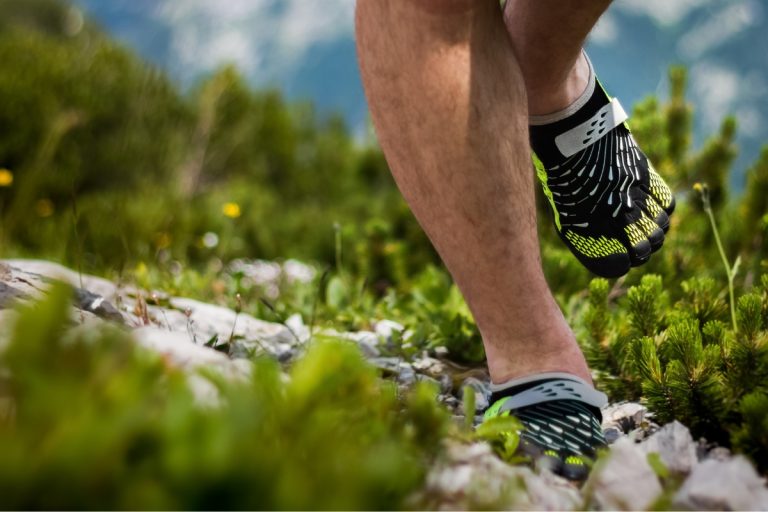
Also, nobody wears boots on the PCT anymore. That argument ended years ago. You’ll see Altra Lone Peaks and Hoka Speedgoats at every water source, with the occasional Brooks Cascadia or Topo Ultraventure mixed in.
Trail runners just make more sense out there. They dry out overnight, they’re lighter, and your feet hate you less at the end of the day. To get the best of both worlds there are waterproof trail runners for you to consider.
PCT Resupply Strategy
You’ll hit a town every three to seven days, depending on how fast you move and how much food you’re willing to carry. The key stops go something like this: Warner Springs, Idyllwild, Big Bear, Wrightwood, and Kennedy Meadows get you through the desert.
Mammoth Lakes and South Lake Tahoe handle the Sierra. Once you cross into Oregon, Ashland and Cascade Locks are the main ones.
Most hikers plan their whole timeline around these towns, timing package arrivals, grabbing new shoes, deciding where to take a zero.
Buying food as you go costs a bit more but lets you eat what you actually want. Most experienced thru-hikers end up doing a mix.
Bear canisters are mandatory through the Sierra and they’re heavy and annoying and there’s no way around either of those things. For water, a Sawyer Squeeze filter weighs barely anything and handles everything on the PCT.
Is the PCT Worth It?
It’s the best hiking trail in the country by almost any measure. The terrain variety alone makes it special. You walk from Mexico to almost-Canada through every climate zone the West Coast offers and each one looks completely different from the last.
But it asks a lot. Five months. Thousands of dollars. Weeks of physical discomfort before your body sorts itself out. And the real possibility you won’t finish.
Come prepared for all of that or wait until you are. The trail’s not going anywhere.