The Teva Hurricane XLT3 arrived in 2025 as the successor to a longtime favorite, and it had plenty to live up to. For years, the Teva Hurricane XLT2 had been the affordable, nimble water sandal people bought without a second thought and rarely regretted, so the update had one job: to make a good thing better.
Teva’s answer was more cushioning and a tougher outsole, at a price pushing $100, and the early reaction split the fan base in two. Some owners welcomed the extra foam as a real upgrade, while others felt it turned a light favorite into something stiff and heavy.
I put together this Teva Hurricane XLT3 review to settle which side has it right, and whether the stiffness owners complain about is a lasting flaw or something that fades with the miles.
It took me two mountain ranges (the Polish Pieniny and the Romanian Măcin) on wet limestone first and dry granite months later. Here’s how these Teva hiking sandals performed.
Our Verdict – 4.5/5
Teva Hurricane XLT3
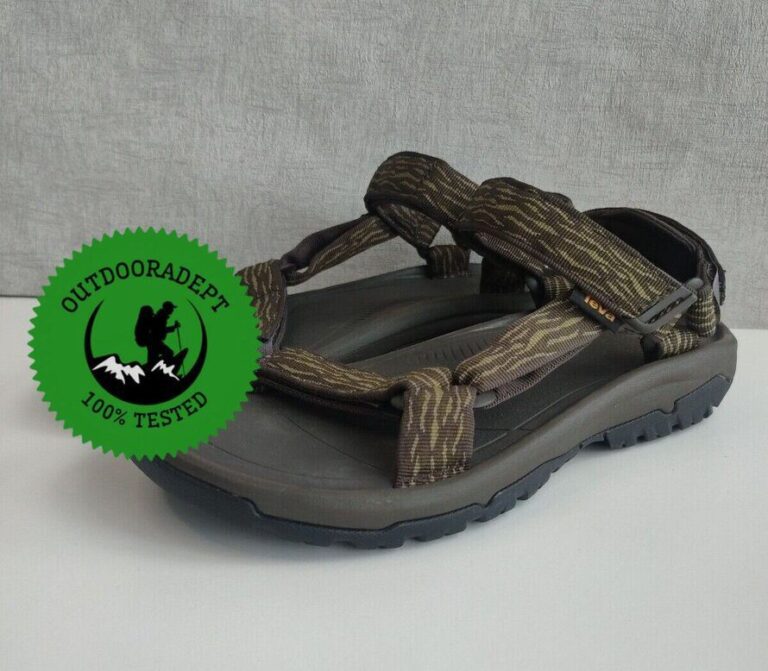
The Teva Hurricane XLT3 is a cushioned, water-ready hiking sandal with confident grip on mixed terrain and a tougher outsole than the model it replaces.

After a short break-in I found deep, all-day comfort, with only the unlined strap edges on long days and the higher price keeping it a half step from a clean sweep.
Best for hot-weather hikers who want cushion and durability and do not mind a short break-in.
Skip it if you want a light, flexible sandal that feels right from step one, since the outgoing XLT2 or a softer alternative will serve you better there.
Highlights
PROS
CONS

Trail tips, news and giveaways
One email a month: hiking tips, gear news, giveaways, fresh footwear verdicts and more. No spam, unsubscribe anytime.
Things We Tested When We Reviewed Teva Hurricane XLT3
1. Traction
For Teva Hurricane XLT3, grip is strong across city-to-trail and mixed terrain, and I only found its limits when the ground turned to deep mud or serious technical rock. Teva gives the XLT3 a sharper, more serrated lug pattern than the outgoing model, and I put it to work on wet stone straight away.
I never lost my footing on damp limestone, and I stayed sure-footed months later on dry granite scrambles, the sort of heat-glazed rock that slides a smooth outsole.
The lugs are broad and low rather than aggressive, so on soft, churned terrain they clog and I had to pick my footing, which rules the XLT3 out for a boggy shoulder-season approach.
For the mixed ground most people cover in a summer sandal, you get more grip than the price suggests.

2. Durability
After two ranges and plenty of wet-to-dry wear, I saw only light scuffing on the outsole and no rounding on the lugs. Teva swapped the old Durabrasion rubber for a compound it calls Spider Rubber Endure, and across both trips the tread wore far slower than I remember the outgoing model doing.
My pair came through intact, and the joint I always watch on a strappy sandal, where the webbing feeds down into the footbed, stayed tight with no loosening or pull.
Some Teva strap sandals have shown that heel anchor working loose over years of hard use, so I went looking for early signs and found none, with no glue lift or separation at the sole edge.

3. Comfort
The footbed feels stiff and board-like on the first outing, then softens into all-day comfort by the second. This is the part of the XLT3 people argue about online, and both camps are describing the same sandal at different stages of break-in.
Teva added 5 mm of EVA over the XLT2, and I could feel that extra foam underfoot once it loosened up. On that first day out the sole felt firm and slower to flex than I wanted, and a review written that evening would have read like a complaint.
By the second trip the foam had softened, and I took long descents in the heat without the foot fatigue I had half expected. Arch support held my medium-to-high arch well, and I never reached for a separate insole.
The strap edges never softened. Left unlined, they rubbed the top of my foot after a full day, where a cheap lining would have helped.
The heel seat sits low too, and my first steps each morning felt like the back of my foot was dropping off a small ledge, though I stopped noticing within an hour and it never shortened a day out.
4. Breathability
I had no trouble with heat or sweat, since the fully open build lets your skin breathe. The straps are a quick-dry recycled polyester, and after a couple of ankle-deep crossings my feet were dry again within a within a quarter-mile, with no soggy reservoir under the footbed.
Through long, exposed miles in high heat my feet stayed cool where a closed shoe would have cooked them.
For hikers who spend more time in the water than on the trail, a dedicated water sandal like the KEEN Clearwater CNX leans further that way, but for summer trail use with the odd crossing, the XLT3 is hard to fault here.

5. Fit and Sizing
I found the fit true to length with a roomy forefoot, so most people can order their normal size while narrow feet should drop half a size. My women’s US 8.5 was spot on, with volume to spare across the toes that suited my wider foot well.
That roomy volume is what narrow-footed hikers should plan around, since dropping half a size pulls the straps into a cleaner hold.
Heel lockdown started looser than I liked, and my foot moved a touch on early descents until I spent a minute redoing the two ankle straps, after which it held. The three-point Universal Strapping gave me enough range to dial that in without much fuss.
6. Weight
At around 9.5 oz268 g per sandal in women’s sizing, the XLT3 weighs a little more than the XLT2, though I never felt weighed down on the trail. That 5 mm of added foam shows up as roughly 2.1 oz60 g a pair over the outgoing model.
On foot I noticed a faint sense of substance rather than a drag, easy to forget once I was moving. I did not test them strapped to a pack, but for all-day wear the weight sat well within what I would accept from a cushioned sandal.
How It Evolved

Framed as the XLT2 vs XLT3 upgrade question, the XLT3 is a more cushioned and more durable sandal than the Teva Hurricane XLT2, and it asks you to pay for both in stiffness and in dollars.
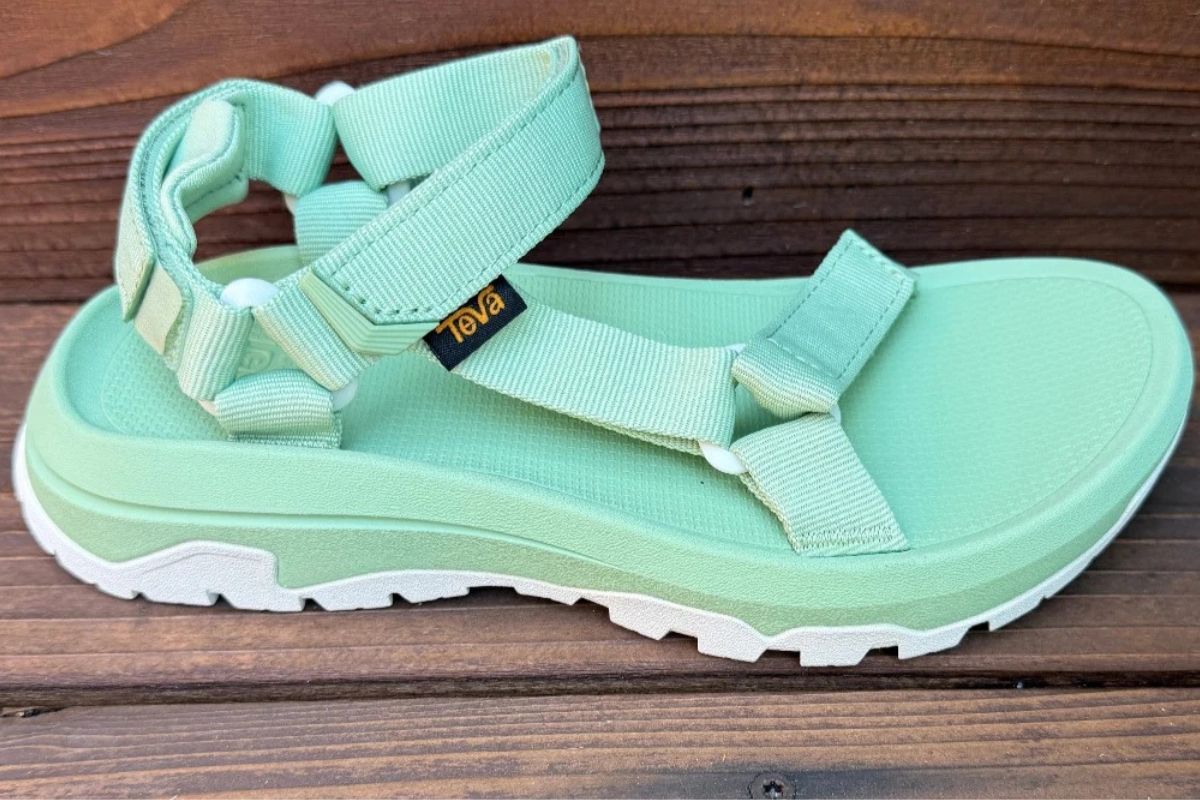
Teva built the topsole up with extra EVA, and that added cushioning and stack height are the headline change. The outsole rubber changed too, for better grip and longer wear.
Those upgrades came bundled with a noticeably stiffer footbed out of the box and a little more weight, at a price that moved from $80 to $100.
Longtime Hurricane owners have noticed, and early ratings for the XLT3 sit below the wide praise the XLT2 still earns.
My read after two ranges is that the changes are honest improvements for anyone who wants cushion and longevity, and a step away from the light, flexible feel that made the XLT2 a favorite for people who wanted a sandal to disappear on the foot.
How Does It Compare with Other Products?
Teva Hurricane XLT3 vs Teva Terra Fi 5

If you want more sandal under you, the Teva Terra Fi 5 is the burlier option in Teva’s own lineup.
It runs heavier and more rugged, built on a molded polyurethane midsole with a raised toe bumper for the jagged alpine rock that leaves open sandals exposed, and its tread bites harder on rough ground.
Both dry fast and breathe well, so the real trade is protection and heft against the Hurricane’s lighter, more cushioned ride.
I reach for the XLT3 on hot days with water in the plan, and the Terra Fi 5 when the terrain turns sharp and protection outranks a nimble feel.
Teva Hurricane XLT3 vs KEEN Newport H2

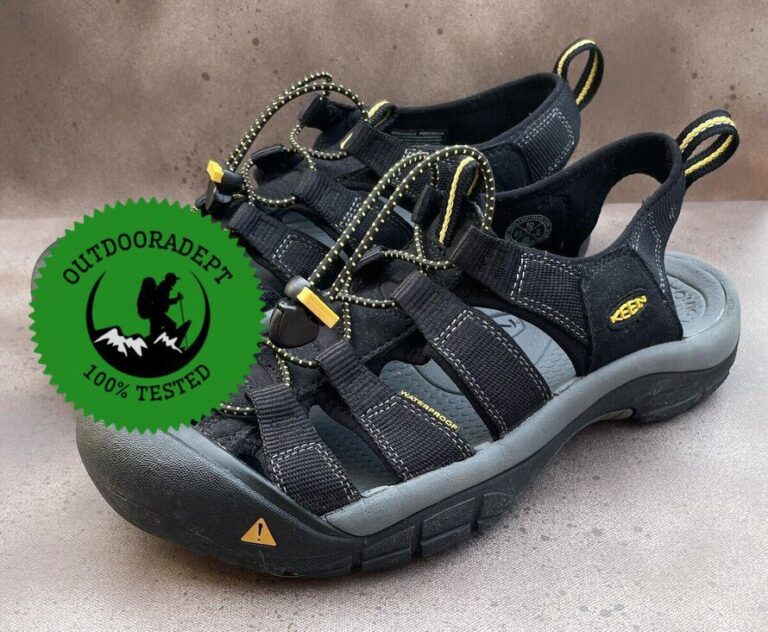
Where the Hurricane leaves your toes open, the KEEN Newport H2 covers them. Its signature rubber bumper wraps the front of the foot, the safer pick for kicking through roots and river cobble where an open sandal leaves you exposed.
That coverage costs airflow, so the Newport runs warmer and drains a bit slower than the wide-open Hurricane.
The XLT3 gives you more underfoot cushioning and a faster dry, and that pays off on long, hot days near water where breathability does more for you than a bumper.
On kicky, rocky trails that bumper earns its keep, though for hot miles near water I keep the Hurricane on.
Teva Hurricane XLT3 vs Chaco Z/Cloud

Cushioning is where these two go head to head, and they get there by different routes.
The Chaco Z/Cloud rides on Chaco’s contoured LUVSEAT footbed, plush and supportive from the first step, with none of the break-in stiffness you get from the XLT3 early on.
Chaco’s platform runs firmer at the edges and warmer than the airy Teva, and it sits a touch heavier on the foot. In return, the XLT3 gives you a quicker dry and a softer feel once broken in, at a lower price.
Plush from the first step and warmer underfoot, the Z/Cloud suits hikers who would rather skip the break-in than chase airflow.
Where Does Teva Hurricane XLT3 Perform Better?
You will get the most out of the XLT3 on warm-weather days that mix trail and water. It is at home on a summer hike with a river crossing, or a city-to-trail loop that runs from pavement to dry rock.
On travel days it earns its keep too, when one pair has to handle the walk into town as easily as the path to the falls.
It also suits long days on your feet once you have put the break-in miles in, and wider or higher-volume feet get room that a lot of sandals do not give them.
Where Teva Hurricane XLT3 Falls Short in Performance?
You will feel its limits the moment the terrain turns properly technical or deep. In churned mud or on technical, committing rock, the open toe and broad lugs leave you wanting a real shoe. Anyone whose skin chafes easily should also weigh the unlined strap edges.
If you want a flexible, minimal feel instead, the Xero Z-Trail EV may suit you better.
Also, make sure to check out our best hiking sandals roundup, which lays out the rest of the field.
Do We Recommend It?
This hiking sandal is the right buy for anyone who wants a cushioned, hard-wearing sandal for hot, water-adjacent miles and does not mind a short break-in.
I have been wearing mine on hikes all summer season, especially the long ones, and once it softened up it has become genuinely comfortable. I also like that it takes a lot of punishment without looking any worse for it.
If you loved the XLT2 for feeling light from the first step, you may not love the change. At $100 it is no longer the budget pick it once was, so buy it for the cushioning and durability rather than the price.
| WHERE TO BUY? | MEN | WOMEN |
| Amazon | See Pricing» | See Pricing» |
| Backcountry | See Pricing» | See Pricing» |
| REI | See Pricing» | See Pricing» |
FAQs
It suits summer hiking on mixed and moderate terrain, especially routes that involve water. Not every trail suits a sandal, but the XLT3 grips well on wet stone and dry rock and cushions long days once broken in. Deep mud and technical rock sit outside its comfort zone.
Teva’s standard XLT3 is an open-toe sandal on a taller, more cushioned platform with a three-strap system. Step up to the closed-toe CT version and you add a protective toe cap and a bungee-lace mesh upper for debris protection, on a slightly lower stack, at a higher price near 130 dollars.
Prices in this article are approximate and updated annually. Check the retailer for current rates.