

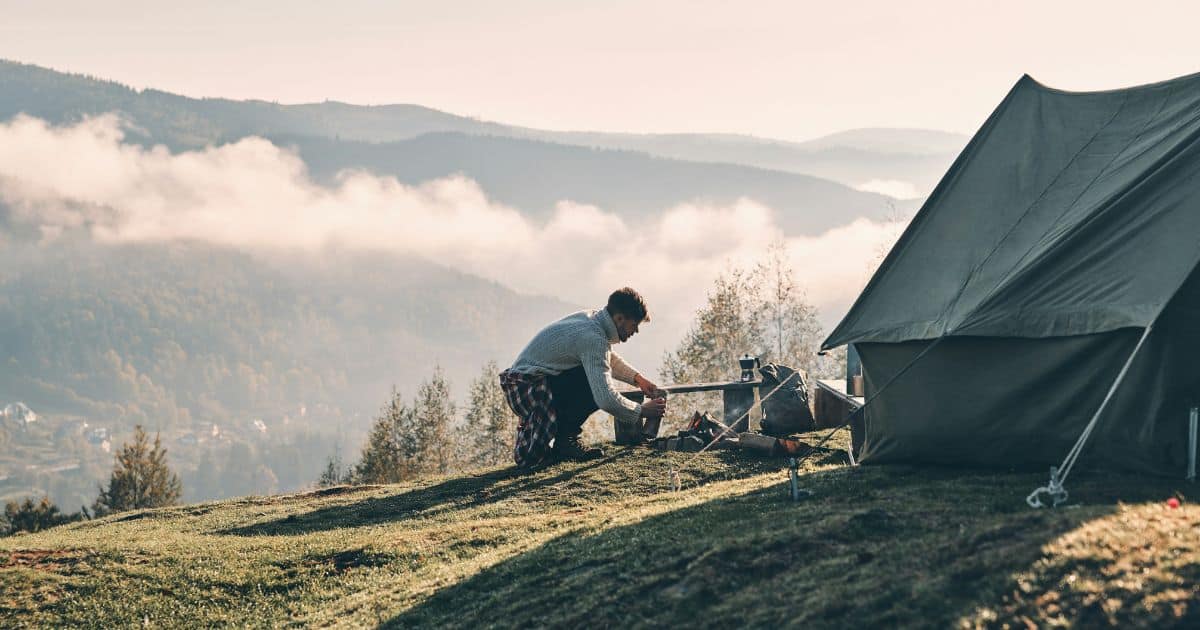
Wild camping has a certain magic to it. You carry your world on your back, leave the noise behind, and sleep closer to nature than most people do all year. But let’s be honest: just because you love the outdoors does not mean you have to suffer through a miserable night, soggy socks, and a breakfast eaten while shivering.
That is where the idea of turning wild camping into glamping comes in.
I am not talking about dragging a chandelier into the woods or trying to recreate a boutique hotel in the middle of nowhere. Realistically, when you are on a hiking trip, every item matters. The goal is to take the freedom of a lightweight hiking camp and add just enough comfort to make the whole experience feel calm, warm, and genuinely enjoyable.
Done right, glamping wild is not about excess. It is about smart comfort.
You still get the beauty, the quiet, the sunrise over the ridge, and the feeling of earning your night under the stars. But now you also get better sleep, better food, and a camp that feels intentional instead of improvised. That blend of rugged adventure and thoughtful comfort is what I think of as true wilderness glamping.
What Makes Wild Camping Different?
Before upgrading anything, it helps to understand what makes wild camping special in the first place.
Unlike staying at a serviced campsite, wild camping is usually more remote, more self-sufficient, and much more dependent on your judgement. You choose your pitch, carry your own water strategy, manage your own waste, and adapt to changing weather without the backup of on-site facilities.
That is exactly why it can feel so rewarding.
But that same freedom is also why many people assume it has to be uncomfortable. It does not. The best approach is not to pack more. It is to pack better.
If you are planning a hiking camp, every upgrade should earn its place. Ask yourself one simple question: Will this make my night significantly better for the weight or effort involved? If the answer is yes, it belongs in your pack.
Start With the Right Campsite
No amount of gear can fix a bad pitch.
If you want luxury camping vibes in the backcountry, your campsite choice matters more than any blanket, lantern, or fancy meal. Look for flat ground, natural shelter from wind, and a spot that drains well if the weather turns. Avoid hollows where cold air settles and low points where rain can collect.
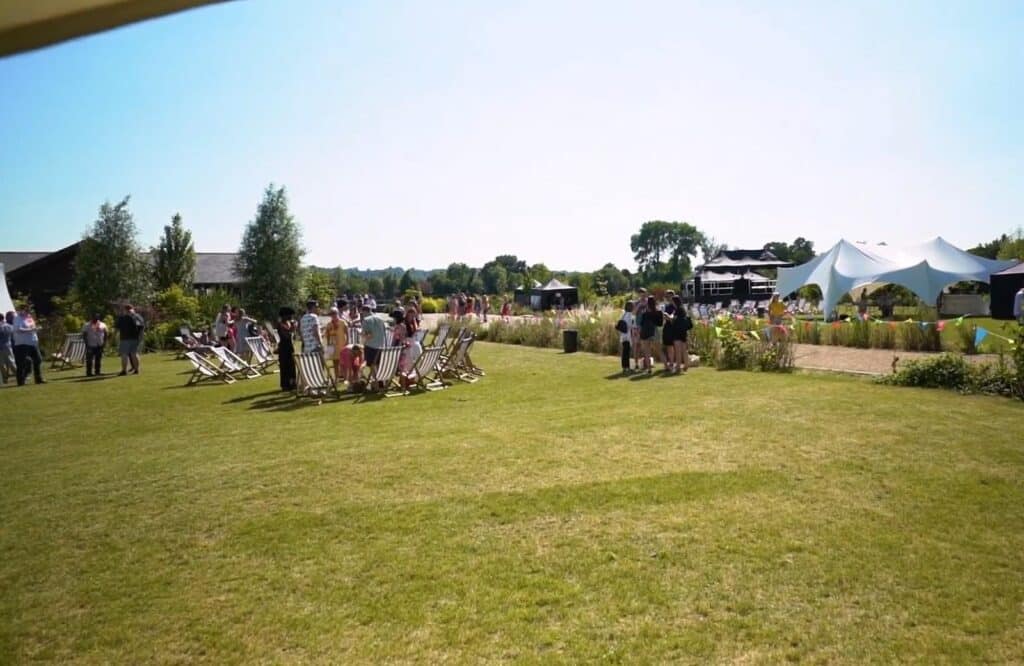
One of the easiest ways to make wild camping feel more comfortable is to pitch somewhere scenic but practical. A spot with a view is great, but a spot with a view and protection from the wind is better. Even people inspired by Glastonbury luxury camping ideas can teach us that comfort starts with smart positioning, not just stylish gear. A lake edge may look dreamy, but if it leaves you exposed, damp, and swarmed by bugs, it is not the best camping setup for the night.
I always think of camp comfort in layers. The first layer is location. If your camp is quiet, level, dry, and sheltered, everything else works better.
Upgrade Your Sleep System First
If you only “glamp” one part of your setup, make it your sleep system.
Most rough nights outdoors come down to one of three things: being cold, being uncomfortable, or being awake every time you roll over. Addressing these issues can significantly enhance the overall experience.
Start with a sleeping pad that provides both insulation and cushioning. Many hikers focus on sleeping bags and underestimate the ground beneath them. But cold rises from the earth fast, especially during shoulder seasons. A quality insulated pad can make wild camping feel far more like glamping than a bulkier sleeping bag ever will.
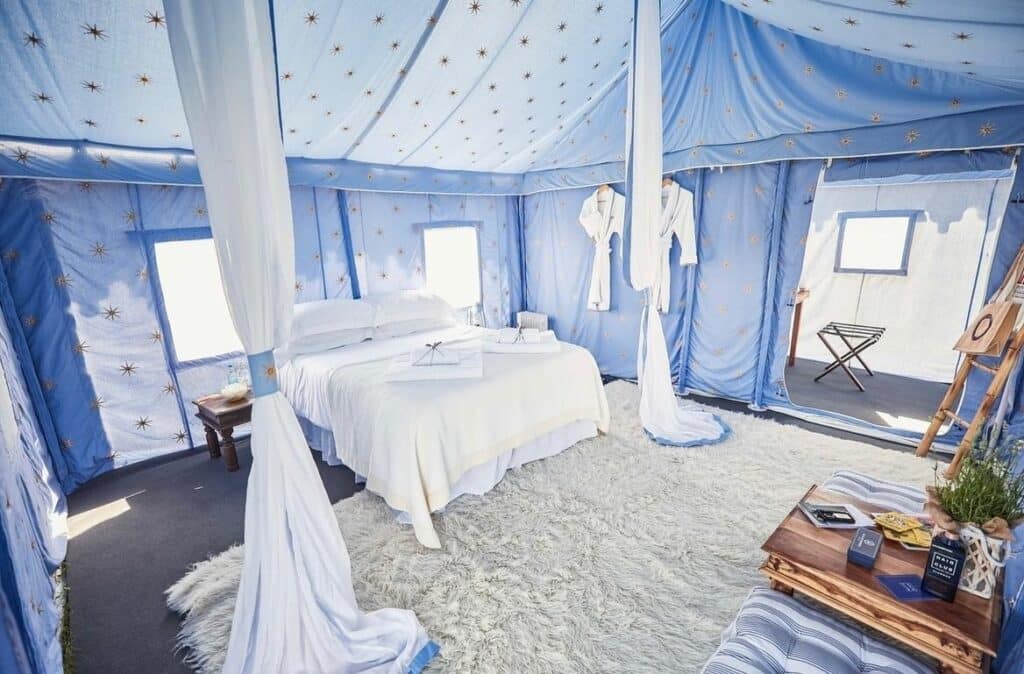
Then choose a sleep setup that matches the conditions, not just the forecast in town. A bag or quilt that is marginally warm on paper often feels freezing at 2 a.m. when wind picks up or your body cools down after a long day of hiking.
Small additions can make a huge difference too:
- an inflatable pillow instead of a bundled-up jacket
- dry sleep clothes reserved only for camp
- a liner for extra warmth and comfort
- earplugs if you are a light sleeper
- a soft hat for chilly nights
This is where luxury camping begins in a realistic backcountry sense. You are not trying to be extravagant. You are trying to wake up rested enough to enjoy the next day.
Bring Comfort You Can Wear
One of the secrets of glamping wild is realizing that comfort is not only what you sleep on. It is what you wear once the walking stops.
After a long day on the trail, changing into dry camp clothes feels incredible. It is one of the simplest ways to make a hiking camp feel more like a retreat. A lightweight insulated jacket, clean socks, and a warm base layer can transform your mood almost instantly.
Camp shoes are another underrated luxury. If you have spent all day hiking in boots or trail shoes, giving your feet room to breathe at camp feels wonderful. Ultralight sandals or compact slip-ons can be worth their weight, especially on multi-day trips.
This is not about fashion. It is about helping your body switch from effort mode to recovery mode.
Eat Better Than “Trail Food”
Food is where wild camping can really start to feel like glamping.
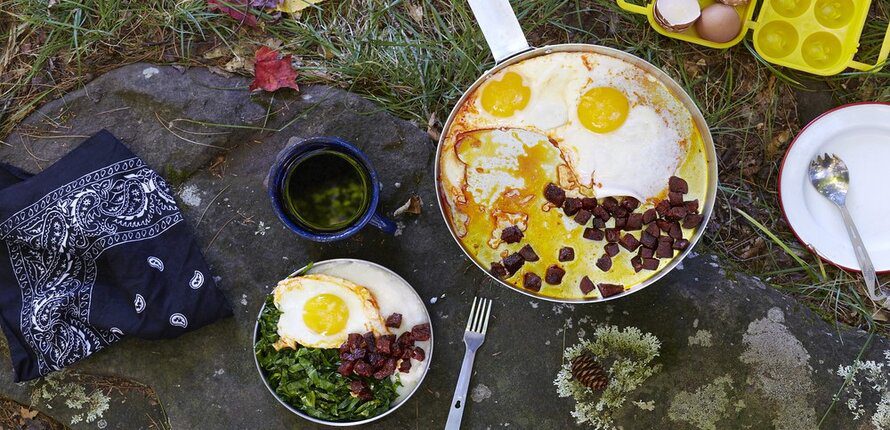
You do not need to carry a gourmet kitchen into the hills, but you can absolutely eat better than bland noodles and crushed energy bars. A satisfying hot meal at sunset changes the tone of the evening. Suddenly your rough little patch of ground feels like the coziest place in the world.
Think in terms of simple upgrades:
- Better coffee instead of instant sludge
- one meal with texture and flavor, not just calories
- a small spice mix or seasoning blend
- dessert that feels like a reward
- a hot drink before bed
One-pot meals with couscous, instant mash, ramen upgrades, or pre-mixed grains can feel surprisingly indulgent when paired with olive oil, cheese, dried herbs, or smoked sausage. Eating from a real bowl instead of straight from the pot can make wilderness glamping feel more intentional, even if it’s something as small as that.
And if you are doing a shorter overnight rather than a long-distance trek, you have even more freedom. That is when wild camping can edge closest to true glamping: better ingredients, fresher food, and a slower evening around camp.
Light Your Camp Like a Place You Want to Stay
Bad lighting makes camp feel temporary. Good lighting makes it feel welcoming.
A harsh headlamp is useful, but it is not cozy. If you want a more comfortable atmosphere, add a small lantern or a diffuser for your lamp. Warm, low light instantly makes a camp feel calmer.
This matters more than people think.

After a day of hiking, your camp is not just a place to sleep. It is your home for the evening. Good lighting helps you cook more easily, sort your gear without stress, and actually enjoy the night instead of rushing into your tent as soon as the sun drops.
That shift is a big part of glamping wild. You stop treating camp as a survival mode and start treating it as part of the experience.
Make Your Tent Feel Like a Shelter, Not a Storage Bag
Many campers accept a cluttered, chaotic tent as normal. But a little organization goes a long way.
Keep your sleep gear dry and separate. Store essentials where you can reach them in the dark. Use stuff sacks to divide clothing, food, electronics, and hygiene gear. If your shelter allows it, create a tiny “living space” where you can sit up, read, stretch, or sip a hot drink.
That is one reason some people prefer slightly roomier shelters for wild camping, even if they weigh a bit more. Extra comfort is not always about softness. Sometimes it is about usable space.
A tent that lets you move without feeling trapped can make one rainy night feel manageable instead of miserable.
Slow Down the Evening
One thing that separates glamping from basic camping is pace.
Many people rush through camp chores, eat quickly, and crawl into bed out of boredom or cold. But if you want a more elevated experience, build a better evening rhythm.
Arrive before dark if possible. Set up with time to spare. Watch the light change. Make dinner slowly. Clean up properly. Put on warm layers. Sit for a while without checking your phone every five minutes.
This is where wild camping starts to deliver something that feels more valuable than comfort alone. It gives you space.
A successful hiking camp should not feel like a rushed stop between miles. At least once in a while, it should feel like the destination itself.
Keep It Light, But Keep It Smart

The challenge with luxury camping on foot is balance.
Too much comfort and your pack becomes heavy, awkward, and frustrating. Too little, and you spend the night counting the hours until sunrise. The sweet spot is choosing a few high-impact comforts rather than lots of low-value extras.
In my experience, the best upgrades are:
- a better sleeping pad
- dedicated camp clothes
- a warm drink setup
- comfortable lighting
- tastier food
- a pillow you actually like
Those few choices can make a bigger difference than bringing a pile of random gear. The goal of wilderness glamping is not to imitate car camping. It is to make backcountry comfort feel refined and deliberate.
Respect the Place You Came to Enjoy.
There is one part of glamping wild that should never be forgotten: the wild part.
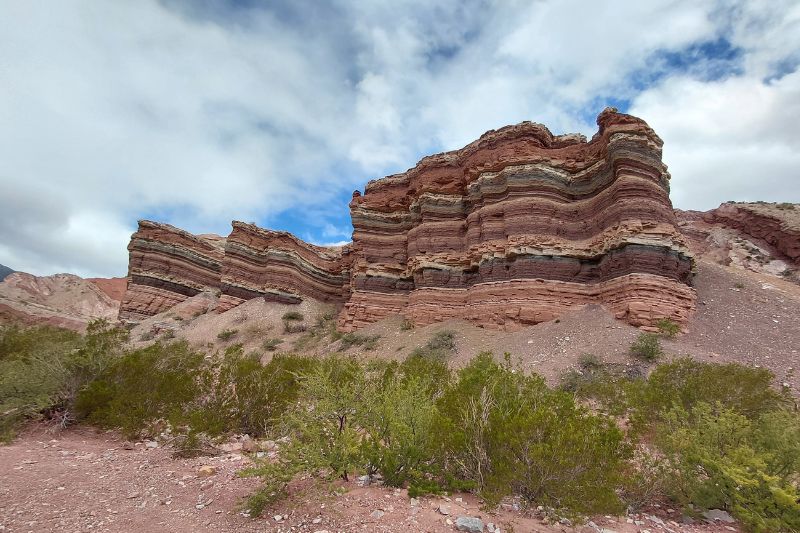
Comfort should never come at the expense of the landscape. Camp discreetly, follow local rules, respect access laws, and leave no trace of your stay. Pack out what you bring in. Avoid damaging vegetation. Keep noise down. Leave the place looking like nobody spent the night there.
That is what makes this kind of wild camping so satisfying. You get the beauty and freedom of sleeping in nature without turning it into your personal resort.
Done properly, glamping in the wild is not about controlling the outdoors. It is about meeting it with a little more care and a little more thought.
Final Thoughts
You do not have to choose between roughing it and staying home.
The best version of wild camping is often somewhere in the middle: adventurous enough to feel real, comfortable enough to feel restorative. When you improve your sleep, eat better, pitch smarter, and create a calmer camp routine, the whole trip changes.
That is the real secret behind turning wild camping into glamping.
Not excess. Not gimmicks. Not carrying unnecessary gear.
Just thoughtful choices that make your time outdoors feel richer, warmer, and more memorable.
And honestly, after a long day of hiking, that kind of comfort feels earned.


