If you are a seasoned hiker, you already know the profound pull of the backcountry. You know the rhythm of boots on dirt, the burn in your calves as you push past the timberline, and the quiet awe of waking up to a misty, untouched wilderness. You have felt the silence at 11,000 feet,3350 meters, where the only sound is your own breathing and the distant whistle of a marmot. For many, the hike itself is the ultimate goal.
But for a growing number of outdoor enthusiasts, the trail is merely the starting point. They are looking for a deeper, more participatory connection with the natural world — one that goes beyond passing through the landscape and instead asks them to become a functioning part of it.
A Community Collaboration: Hikers Meet Hunters
This article is part of an ongoing collaboration between our community here at OutdoorAdept and our friends over at TheOutdoorStores. We bring decades of trail experience, ultralight backpacking knowledge, and high-mileage route planning. They bring deep, practical expertise in hunting, field dressing, optics, and backcountry game pursuit. Together, we are trying to mix our communities so that hikers can learn from hunters, and hunters can benefit from the long-distance trail craft hikers have honed.
If you have already made the leap from hiker to (backpack) hunter, TheOutdoorStores team would love to hear from you. They are actively collecting first-hand stories from people partaking in backpack hunting: your first solo elk camp, the gear list that finally clicked, the lessons you wish someone had told you before you spent a week soaked and shivering at 9,000 feet.2740 meters. Readers who share their stories have a chance of being featured on the TheOutdoorStores blog, helping mentor the next wave of hikers crossing into the hunting world.
You can check their guidelines by visiting their website and submit to the team directly at [email protected]. Gear load-outs, wild game recipes, hard-earned tips, photos from the pack-out — all of it is welcome.
What is Backpack Hunting?
At its core, backpack hunting is exactly what it sounds like: carrying everything you need to survive — and hunt — on your back for multiple days in remote wilderness. Unlike traditional hunting from a base camp, cabin, or vehicle, backpack hunters hike miles deep into public lands, setting up minimalist spike camps in rugged terrain where animal populations face less human pressure. Trips typically last anywhere from three to ten days, with hunters covering between 4 and 15 miles6.5 and 24 km per day on foot, often gaining several thousand feetaround a thousand meters of elevation in a single push.
For the avid backpacker, the transition makes perfect sense. You already own the ultralight tent, the inflatable sleeping pad, the gravity-fed water filtration system, and the layered merino clothing. You already understand topography, weather patterns, and the mental fortitude required to endure a sudden hailstorm seven miles11 km from the trailhead. You know how to read a contour line, how to ration calories, and how to pace yourself across long days.
The primary difference? When a regular backpacker reaches their destination, the heavy lifting is over. When a backpack hunter achieves their objective, the hardest physical work is just beginning. Once an animal is harvested, the hunter is responsible for breaking it down in the field and packing it out — often adding 60 to 100 pounds27 to 45 kg of organic, free-range meat to a pack that already weighs 40 pounds.18 kg. A single bull elk can require two or three trips back to the truck, sometimes covering 20 or more total miles32 or more total kilometers on the pack-out alone.
For the avid backpacker, the transition makes perfect sense. You already own the ultralight tent, the inflatable sleeping pad, the gravity-fed water filtration system, and the layered merino clothing. You already understand topography, weather patterns, and the mental fortitude required to endure a sudden hailstorm seven miles from the trailhead. You know how to read a contour line, how to ration calories, and how to pace yourself across long days.
The primary difference? When a regular backpacker reaches their destination, the heavy lifting is over. When a backpack hunter achieves their objective, the hardest physical work is just beginning. Once an animal is harvested, the hunter is responsible for breaking it down in the field and packing it out — often adding 60 to 100 pounds of organic, free-range meat to a pack that already weighs 40 pounds. A single bull elk can require two or three trips back to the truck, sometimes covering 20 or more total miles on the pack-out alone.
Trail tips, news and giveaways
One email a month: hiking tips, gear news, giveaways, fresh footwear verdicts and more. No spam, unsubscribe anytime.
The Elephant in the Woods: Addressing the Ethics of Hunting

We cannot discuss hunting without addressing the ethical concerns that often accompany it. For many nature lovers, the idea of taking an animal’s life seems at odds with a love for the outdoors. It is a fair question, and one every honest hunter has wrestled with. However, when practiced ethically, hunting is deeply intertwined with wildlife conservation and a profound respect for nature.
The modern, ethical hunter does not view nature as an amusement park, but as a complex ecosystem they are actively participating in. Here are the core tenets:
- Conservation and Population Control: Wildlife agencies rely on hunters to manage animal populations. Without natural predators in many areas, deer and elk populations can explode, leading to starvation, disease outbreaks like chronic wasting disease (CWD), vehicle collisions, and the decimation of native flora. Regulated hunting keeps these ecosystems balanced.
- The North American Model of Wildlife Conservation: In the United States, hunters are the primary financial drivers of wildlife conservation. Through the Pittman-Robertson Act of 1937, an excise tax on hunting gear and ammunition has funneled over $15 billion into habitat restoration, wildlife research, and public land maintenance — benefiting all species, from songbirds to grizzly bears, not just game animals.
- Fair Chase: Ethical hunting is governed by the rules of “fair chase,” a concept formalized by the Boone and Crockett Club in the late 1800s. The animal must have a reasonable opportunity to elude the hunter. There are no guarantees in backpack hunting. The advantage heavily favors the animal’s superior senses and familiarity with the terrain.
- Sustainable, Ethical Meat: For many modern hunters, the primary motivation is food. Backpack hunting provides a stark alternative to the factory farming industry. The meat harvested is 100% organic, hormone-free, antibiotic-free, and lived a completely wild, natural life — often a single bad day at the end of a long good one.
When you understand the reverence a true hunter has for the animal and the habitat, the bridge between the nature-loving hiker and the conservation-minded hunter becomes incredibly clear.
Preparing for the Wild: Transitioning Your Gear
If you are ready to explore this pursuit, your existing backpacking gear will get you far, but you will need specialized adjustments. A typical thru-hiking kit is optimized for going light and fast on established trails — backpack hunting requires gear that can also handle off-trail abuse, brutal weight, and freezing temperatures at dawn.

- The Pack: A standard hiking backpack is not designed to carry an 80-pound36-kg load of elk quarters. You will need a specialized hunting pack with a rigid internal or external frame and a “meat shelf” designed to separate heavy loads from your camping gear while keeping the weight close to your center of gravity. Look for packs rated to carry at least 100 pounds45 kg comfortably.
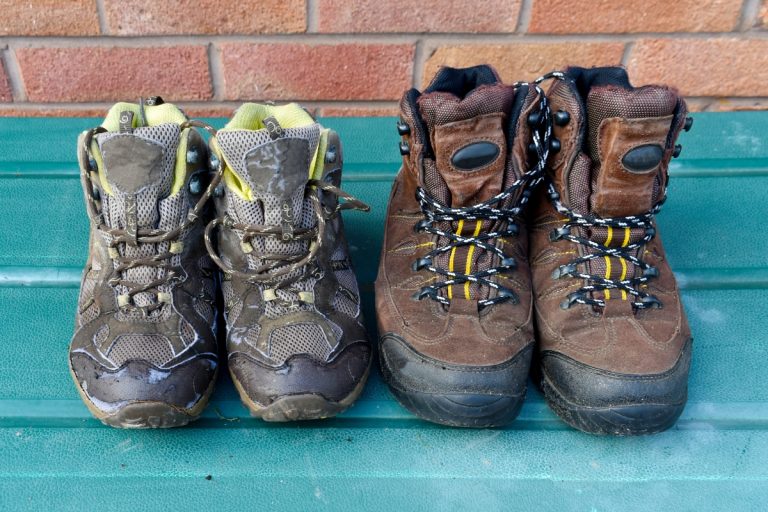
- Footwear: Off-trail navigation is the norm. You will need stiffer, more supportive boots than standard hiking shoes to prevent ankle rolls when side-hilling across steep, rocky terrain with a heavy pack. Break them in over at least 50 miles80 km of training before your hunt.
- Optics: A hunter relies on high-quality optics (10×42 binoculars and often a 15x or spotting scope on a lightweight tripod) to scan vast mountain faces for hours at a time. You will spend more time hunting with your eyes than with your boots. Spend more on glass than you think you should — it is the single piece of gear most veterans wish they had upgraded sooner.
- Cutlery and Game Care: A small fixed-blade knife (a Havalon-style replaceable scalpel works wonders), a bone saw or sturdy folding knife, several feet of paracord, and a few large game bags (synthetic, breathable) are essential. Without proper care, meat can spoil in warm weather within 12 hours.
- Clothing: Cotton kills. Layer with merino wool base layers, synthetic mid-layers, and a quiet outer shell. Avoid Gore-Tex shells with crinkly fabric — elk and deer will hear you long before they see you.
Finding Your Terrain: Scouting and Seasons
One of the most daunting tasks for a beginner is figuring out where and when to go. Unlike hiking, where you simply find a trailhead and go, hunting requires navigating complex regulations that vary by state, unit, species, and weapon.
Understanding the Hunting Season
Every state and region has a highly specific hunting season dictated by wildlife biologists to ensure animal populations are not disrupted during vulnerable times like late winter or the spring birthing seasons. You must decide what you are hunting (elk, mule deer, bear, antelope) and with what weapon (archery, muzzleloader, or rifle), as these all have different assigned seasons and often different success rates. Archery seasons typically run in September and overlap with the elk “rut,” while rifle seasons usually fall in October and November.
Tags, Draws, and Over-the-Counter Hunts
Most Western states require you to apply months in advance through a draw system, where applicants accumulate “preference” or “bonus” points over the years to increase their odds. Some units allow you to purchase a tag at the counter. Plan your application strategy in January through March — by July it is often too late for that fall.
Locating Hunting Areas
Finding good hunting areas requires digital scouting before you ever set foot on the trail. Apps like OnX Hunt, GoHunt, and BaseMap are essential. Look for:
- Remote pockets of National Forest, BLM, or Wilderness land at least 2–3 miles3–5 km from the nearest motorized road.
- North-facing slopes that hold cooler temperatures and more cover in early season.
- Saddles, benches, and water sources between bedding and feeding areas.
- Old burns from 3–10 years ago that have regrown with browse.
Animals seek refuge from hunting pressure, so the further you are willing to hike, the better your odds.
Navigating the Field: Beginner Strategies

If you are heading out for your first season, you will quickly learn that animals behave very differently than the semi-tame deer you might see near popular hiking trails. Keep these core principles in mind:
- Play the Wind: Always know the wind direction (a small bottle of unscented wind powder is worth its weight in gold) and approach your target from downwind. In mountainous terrain, thermals also matter — air rises in the morning and falls in the evening.
- Slow Down: Hikers are used to maintaining a steady 2 to 3 mph3 to 5 km/h pace. Hunters must move at a fraction of that speed — often less than half a mile per hour0.8 km/h during active stalks. Take a few steps, pause, listen, glass the area thoroughly, then take a few more.
- Hunt the Edges: Animals prefer the “edges” — transition zones where dense cover meets food sources, where black timber gives way to open parks, or where avalanche chutes break a steep ridge.
- Hunt Dawn and Dusk: Most game animals are crepuscular, meaning they move most at first and last light. Be in position 30 minutes before sunrise and stay out until you can no longer see your sights.
- Get in Shape: Backpack hunting is brutally demanding. Your standard hiking routine should be supplemented with weighted pack hikes, single-leg strength training, and stair work.
- Practice Your Shot Religiously: Whether bow or rifle, a clean, ethical kill is non-negotiable. Practice at unknown distances, from awkward field positions, while breathing hard.
After the Shot: The Real Work Begins
The moment of the harvest is brief. What follows defines you as a hunter. You will need to:
- Confirm the animal is down and approach cautiously from behind.
- Field dress and quarter the animal — the “gutless method” is most efficient in the backcountry.
- Cool the meat fast. Hang bagged quarters in the shade, ideally on the cold side of a creek drainage.
- Pack it out. Plan on multiple trips. Always carry the meat first; antlers, hide, and gear come last.
- Process at home. Game bags, coolers with ice, and a clean processing space matter.
This is also the moment many new hunters describe as the most emotional. There is gratitude. There is often grief. Sitting beside an animal in a quiet alpine basin, hands shaking, you understand the weight of what you have done in a way that no grocery store package ever conveys. That weight is the point.
A Lifelong Pursuit
Backpack hunting is a lifelong learning process. It will test your physical limits, demand your patience, and humble you more times than you can count. You will get skunked. You will get cold. You will burn out a pair of boots and your favorite stove will fail at the worst possible time. But it will also reward you with a profound, primal connection to the wilderness that simply cannot be found on a marked hiking trail. You are no longer just an observer of nature; you are a participant in it.
If this article inspires you to take the next step — whether that’s signing up for a hunter’s safety course, applying for your first tag, or shouldering a weighted pack on your next training hike — we would love to hear about it. And if you are already further down the trail than that, please consider sharing your experience with our partners at TheOutdoorStores. Send your story, photos, gear list, or favorite wild game recipe to [email protected], or submit directly on their website. The next generation of hunter-hikers needs voices like yours — and you might just see your name featured on their blog.
This guide was produced through a collaboration between OutdoorAdept and TheOutdoorStores. Always consult your state wildlife agency for current regulations, complete a certified hunter education course before purchasing a tag, and never hunt alone on your first trip without an experienced mentor.