


If you have flat feet (fallen arches), hiking can quickly turn from bliss to agony. While new shoe technology in 2026 focuses on ‘energy return’ and speed, hikers with flat feet need one timeless feature: Stability.
I’ve combed through the 2026 market to find the boots and shoes that actually support your arches. This list balances the latest tech with discounted classics that podiatrists still recommend.
The Verdict – Our Nr. #1 Pick
After going through this whole list, we kept coming back to the Moab 3. Nothing fancy about it. Merrell figured out what works for flat feet a while ago, and they’ve stuck with it.
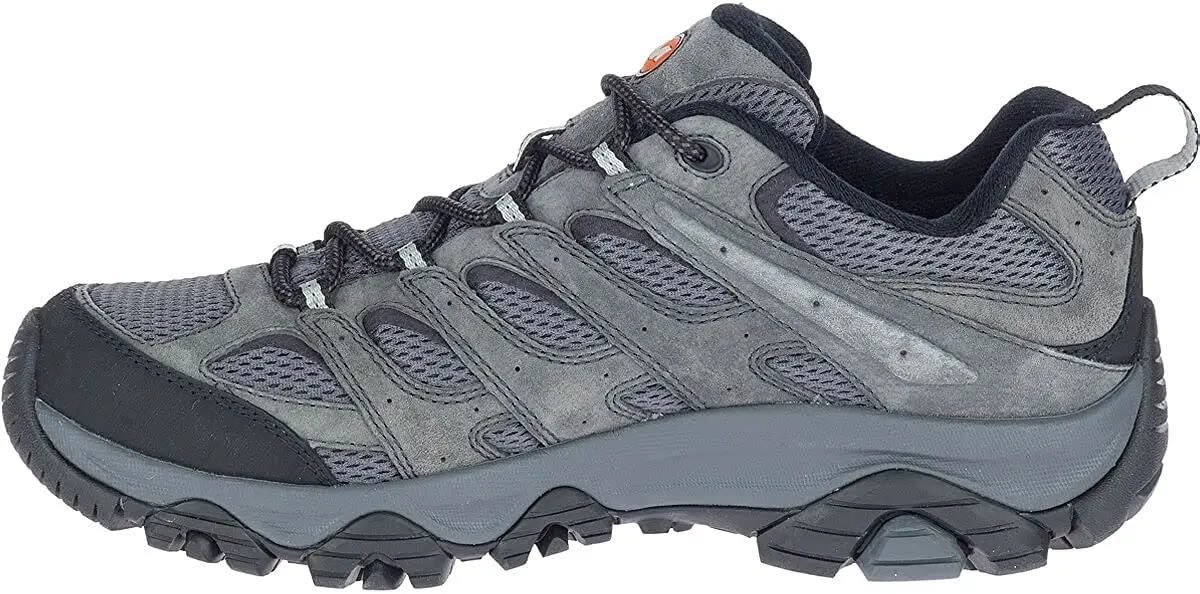
The platform is wide enough to actually stabilize a flat arch, and swapping insoles takes about ten seconds. Price sits lower than most of what came out this year, which helps when you’re buying orthotics separately anyway.
Some boots on this list perform better in specific situations. The Quest 5 carries heavier loads. The Targhee IV has that delamination guarantee. But for everyday use on trails where you’re not summiting anything technical, the Moab 3 covers it.
Flat feet are annoying enough without overthinking your footwear. This one works.
Comparison Table
| Name | Rating | Fit (Width) | Weight | Waterproof | Upper Material | Best For | Durability |
|---|---|---|---|---|---|---|---|
| Moab 3 | 4.8 | Regular/Wide | Light | No (Optional GTX) | Mesh/Suede | Hot weather, comfort | High |
| Kaha 3 GTX | 4.7 | Regular | Heavy | Yes | Nubuck/Leather | Day hikes, comfort | Good |
| Targhee IV Mid | 4.7 | Wide/Roomy | Mid | Yes (KEEN.DRY) | Leather/Mesh | All-around, trails | High |
| X Ultra 5 Mid | 4.7 | Regular | Light | Yes (GTX) | Synthetic | Technical trails | Above Average |
| Quest 5 | 4.6 | Regular/Wide | Heavy | Yes (GTX) | Nubuck/Synthetic | Backpacking, tough | Very High |
| Mt Maddsen Mid | 4.5 | Regular | Heavy | Yes | Leather | All-purpose, casual | High |
| Newton Ridge II | 4.3 | Regular | Mid | Water Resistant | PU Leather/Mesh | Budget, dry trails | Average |
| Targhee IV Low | 4.2 | Wide/Roomy | Light | Yes (KEEN.DRY) | Leather/Synthetic | Wide feet, day hikes | High |
| White Ledge II Mid | 4.1 | Regular | Mid | Yes | Leather | Value, light hikes | Fair |
| Renegade Evo | 4.0 | Heavy | Mid | Yes (GTX) | Nubuck Leather | All-terrain, support | High |
| Falcon GV Evo | 3.8 | Regular | Light | Yes (GTX) | Suede/Synthetic | Long hikes, technical | High |
To identify the top 11 hiking boots for flat feet, we tested 16 pairs across the United States and Europe. Each underwent trials across terrains like flat, rocky, muddy, and gravel. We evaluated their waterproofing in rain, breathability in heat, and insulation in snow. Our team’s multi-day tests, supplemented by independent experts, determined the break-in period. Boots were rated on criteria such as fit, cushioning, tread, breathability, and more. After calculating average scores, we incorporated external feedback and warranties into our final recommendations. Learn more about our product selection process.
EDITOR’S CHOICE
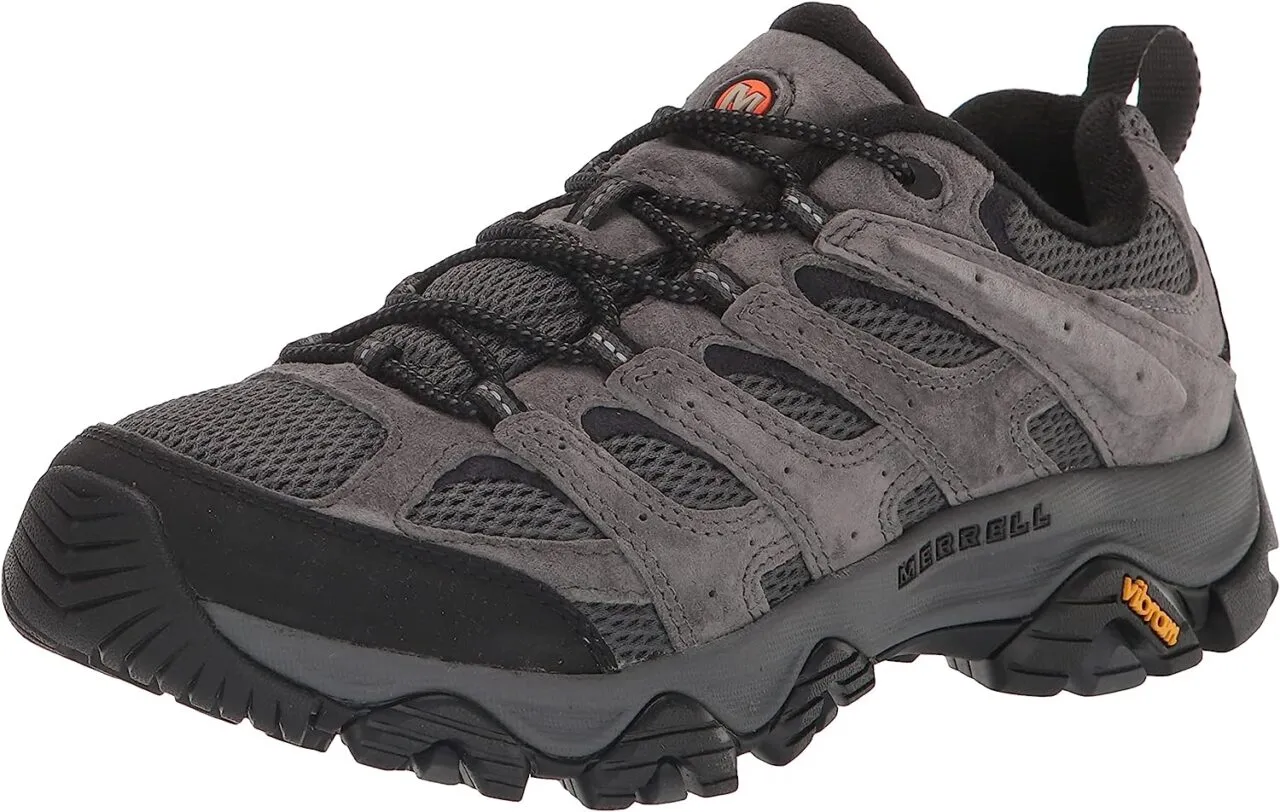
Merrell Moab 3
#2ND BEST CHOICE
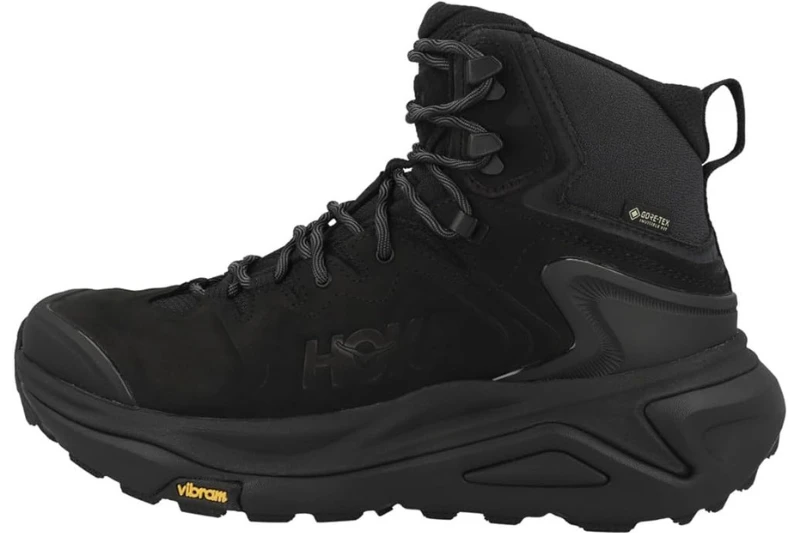
HOKA Kaha 3 GTX
#3RD BEST CHOICE
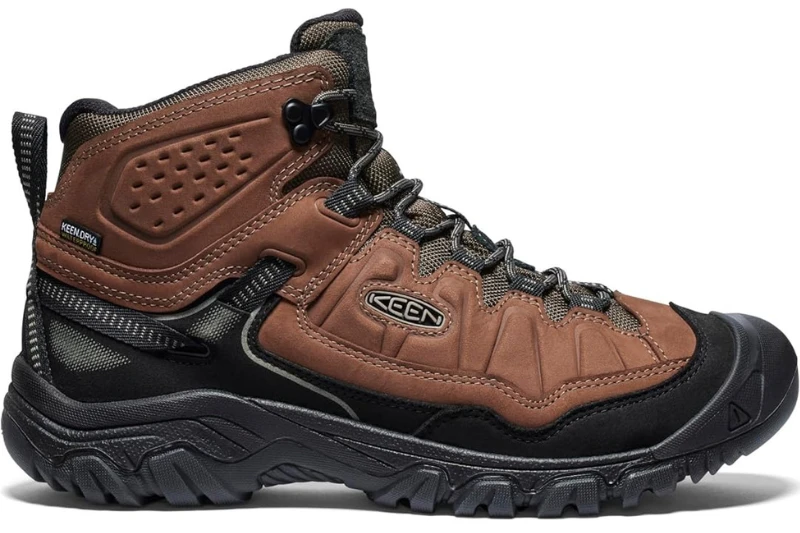
KEEN Targhee IV Mid
Our Top Recommended Hiking Boots For Flat Feet
If you’ve hiked in the Moab 2, you’ll notice the midsole immediately. Merrell went with a lighter EVA foam, and it absorbs shock better. My heels usually start barking at me on long descents, but these held up. The Kinetic Fit ADVANCED footbed has more arch support than before, plus reinforced heel cushioning. Good news if you’re flat-footed.
The wet rock grip was always iffy on the Moab 2. That’s genuinely improved here. The Vibram TC5+ outsole bit into slick limestone where I’d normally be picking my way carefully. Not bulletproof, but noticeably better.
I ordered my usual size, and they fit right away. No weird pressure points, no heel slip. The performance suede upper feels softer than the old version, but it’s holding up well.
Several months in now, and I’m not seeing the wear patterns I’d expect around the toe box. The molded nylon arch shank keeps things stable without that rigid plank feeling some shoes have. Plus, the Air Cushion in the heel does its job on hardpack and rock.
Oh, and Merrell made the laces, webbing, and mesh lining from recycled materials. Take that for what it’s worth.
Not yet convinced? Read our full review of the Merrell Moab 3 here.
PROS
CONS
2) HOKA Kaha 3 GTX – Rating 4.7/5
For flat-footed hikers dealing with arch pain or plantar fasciitis, this is one of the most cushioned options available. It comes at a higher price than our top pick, but if maximum shock absorption is your priority, it earns the investment.
The big news is the midsole. Dual-density EVA with 30% sugarcane content gives you serious shock absorption without that squishy, unstable feeling. HOKA also upgraded to GORE-TEX Invisible Fit, which bonds directly to the upper without the traditional bootie seams. Fewer seams means fewer failure points for water to sneak through.
The Hubble Heel got refined too. Slightly smaller than the Kaha 2 but still extends past the standard heel cup, which smooths out your stride and takes pressure off the knees on descents.
Combined with the MetaRocker geometry, these roll forward naturally instead of clomping along like most boots at this weight. The heel counter is stiffer than before, adding real ankle stability without feeling like a cast.
I did notice that sizing changed from the Kaha 2. This hiking boot runs about half to a full size smaller, and the toe box is narrower. No wide version available. But if it fits you, it truly is a good choice for flat feet.
PROS
CONS
3) KEEN Targhee IV Mid Hiking Boots – Rating 4.7/5
KEEN redesigned the Targhee IV from the ground up, specifically targeting sole separation, a common complaint with previous generations.
The Targhee IV offers solid arch support and good stability for flat-footed hikers.
KEEN’s new FUSION construction bonds the upper directly to the sole without glue or stitching, backed by a lifetime guarantee against delamination. Whether that holds up over years of use remains to be seen, but it’s a confident promise.
The fit returns to the roomier feel of the original Targhee II, generous toe box included. The Luftcell midsole resists compression better than standard EVA, and the KEEN.RUGGED outsole with 0.15” (4mm) lugs handled mud and loose terrain well when I wore them through a particularly soggy weekend. Wet roots and muddy switchbacks weren’t a problem.
These can handle long distances, though the thicker leather needs some breaking in first.
We also reviewed the KEEN Targhee III GTX Mid, which can now be found at bargain prices.
PROS
CONS
4) Salomon X Ultra 5 Mid GTX – Rating 4.7/5
Salomon made real improvements here, especially where the X Ultra 4 struggled most. The toe box holds up better, the lateral support is excellent, and the agile feel is still there.
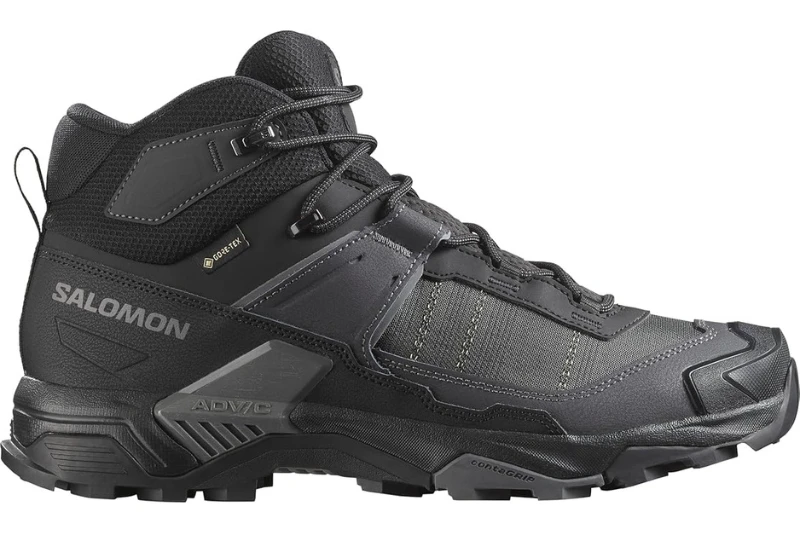
The Matryx construction mixes synthetic yarns with Kevlar, and it shows in the toe box. That’s where the 4 fell apart for a lot of people, literally. The rubber toe bumper helps, too.
Our testing did show some stress on the lace eyelets and seams near the toe flex point, so durability isn’t perfect across the board, but the main weak spot from the previous version is genuinely fixed.
GORE-TEX membrane does its job for shallow creek crossings and light rain. For heavier conditions, I’d be more cautious. The heel padding showed wear faster than I expected during testing, which could eventually compromise the waterproofing in that area.
Where these really shine is lateral stability. The redesigned ADV-C Chassis has serious torsional rigidity. I took them across loose scree, and they moved with me instead of against me. Padding around the collar keeps heel slippage in check.
The whole package feels nimble, more trail runner than clunky boot, though the Matryx upper is stiffer than what Salomon used before. Give them a few outings to soften up.
Check our Salomon X Ultra 4 Mid GTX review for more information on its predecessor.
PROS
CONS
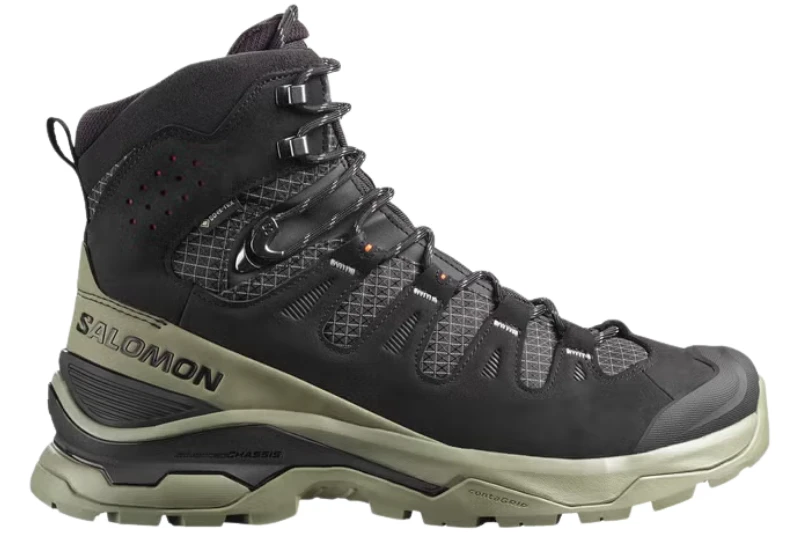
These hiking boots provided my feet with excellent support during a summit hike, and the rigidity through the midfoot protected my fallen arches well, even on a rocky descent that went on longer than I’d planned.
The 4D Advanced Chassis wraps the forefoot and midfoot for lateral support, though “fluid movement” isn’t really what you get here. It’s more of a controlled movement within a rigid structure. If you want nimble, look elsewhere. If you want your foot locked in place under a heavy pack, this is it.
The redesigned lug pattern grips well across mud, scree, and rock, a noticeable improvement over the Quest 4’s multi-directional layout. Nubuck leather quality is high, though mine started showing scuff marks around the 30-mile mark. Normal wear, but worth knowing if you expect them to stay pristine.
Break-in period is real. First few outings felt stiff, but after 10-15 miles, the boot started molding to my foot. Budget some trail time before any big trips.
GORE-TEX keeps water out reliably. Breathability is the tradeoff. My feet got sweaty during the afternoon sun on warmer days. Fit runs narrow like most Salomons, but there’s a wide version available.
Note: Currently, the Salomon Quest 5 GTX hasn’t been released in the US yet. Check our Review of the Salomon Quest 4 GTX for the latest US version. Other regions can use the check price buttons in this section to see the current offers.
PROS
CONS
6) Timberland Mt Maddsen Mid Leather – Rating 4.5/5
This leather boot is waterproofed as part of the tanning process, making it hold up better than other waterproofing methods.
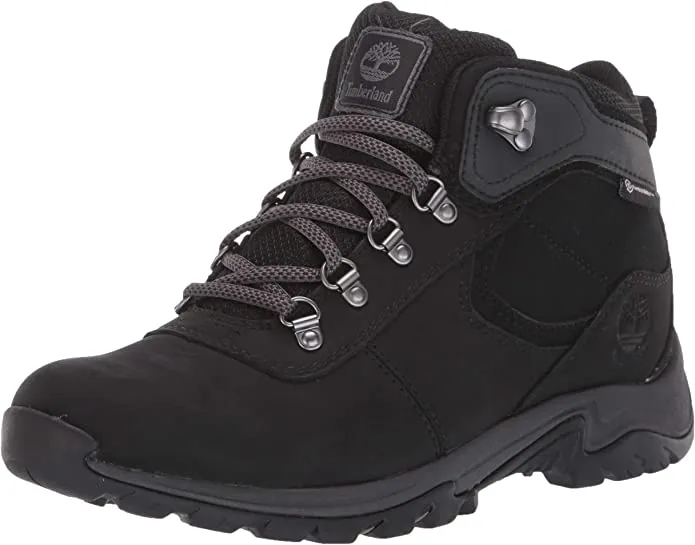
This boot brands itself as “anti-fatigue”, and the geometric cone technology built into the midsole provides comfort when standing, shock absorption, and helps keep energy levels. These features make it one of the best hiking boots for flat feet.
Customers say that the waterproofing held up well over time also. In my short experience testing them out, it seems to hold up well, but only time will tell if this continues in the long run.
PROS
CONS
7) Columbia Newton Ridge Plus II Waterproof – Rating 4.3/5
The rubber sole of these boots features a multi-terrain traction system suitable for many different terrains, including ice and snow.
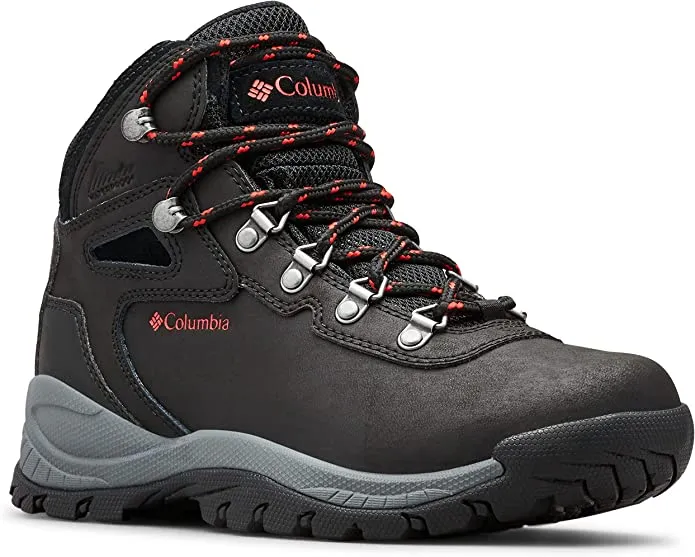
Columbia has made quality hiking boots for a while now, so it’s no wonder that they make our list of best hiking boots for flat feet. Columbia Newton Ridge Plus II Waterproof comes in various colors and is made of waterproof material that holds up well.
The Techlite midsole provides great cushioning. My flat feet really felt comfortable and well-supported in these boots.
While testing these boots in shallow water for several minutes, I noticed that the upper did let some water seep through, causing my socks to get moisture.
For a complete breakdown check our Columbia Newton Ridge Plus II Review.
PROS
CONS
8) KEEN Targhee IV Low – Rating 4.2/5
Same FUSION construction as the mid version, same lifetime delamination guarantee. We included both because some flat-footed hikers prefer a shoe over a boot: lighter, cooler, more freedom around the ankle. If that’s you, this delivers the Targhee IV build without the mid-cut bulk.
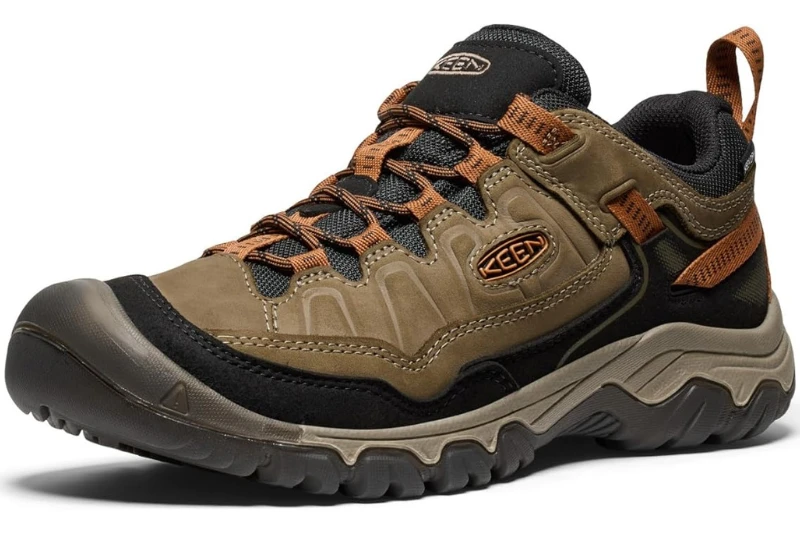
The fit matches the mid: roomy forefoot like the Targhee II, generous toe splay. I swapped in my orthotics without issues. New mesh around the tongue adds some breathability over the Targhee III, though it’s a modest improvement. The KEEN.DRY membrane is fully waterproof, not just water resistant.
The trade-off with low-cuts is always ankle support. On flat trails and moderate terrain, no problem. Off-camber ground or loose rock, you’ll notice the difference.
Luftcell midsole is firm, good for arch support, less so if you want plush cushioning on long flat miles.
PROS
CONS
9) Timberland White Ledge Mid Ankle Boot – Rating 4.1/5
This leather upper hiking boot is one of Timberland’s best sellers for many reasons. It’s especially good for winter hikes and outdoor activities.
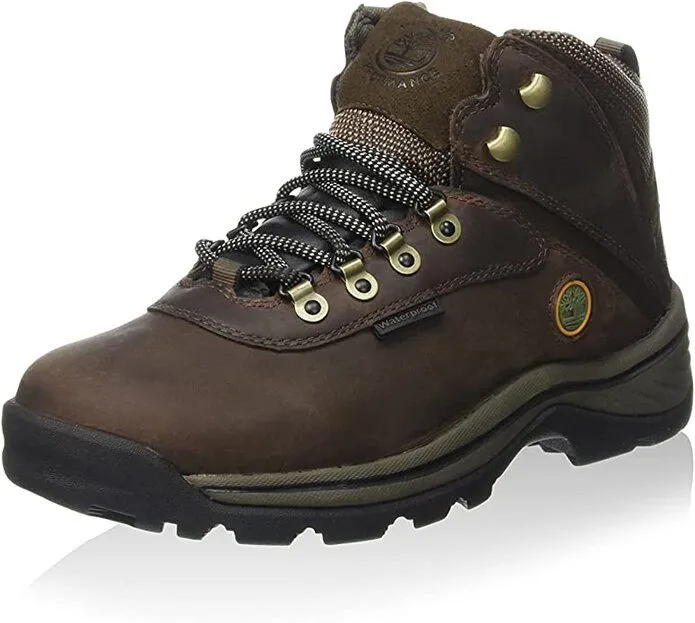
Its extra stability is nearly unmatched, and these boots greatly eliminate foot and leg fatigue and other issues that hikers with flat feet often face on the trail. You can also remove the insoles and replace them with your own, another important feature for people with flat feet.
I appreciated the speed-lace hardware on these, making them easy to put on and take off and supporting various lacing configurations.
PROS
CONS
10) Lowa Renegade Evo GTX Mid Hiking Boot – Rating 4.0/5
Lowa updated a classic without messing with what worked. The Evo keeps the fit that made the Renegade popular and adds a better outsole and midsole package.
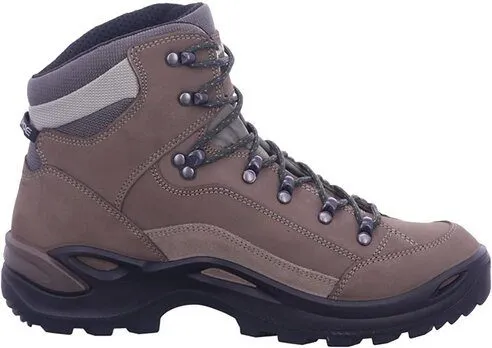
Good pick for flat-footed hikers doing day hikes on moderate trails. The updated Vibram Rene Trac outsole grips better than the previous version, and the double-injection midsole (denser layer for support, softer layer for cushion) held up well through a week of mixed terrain. Rocky paths, grassy ridges, muddy forest trails. My feet felt fine at the end of each day.
Fewer seams in the upper means fewer spots rubbing wrong. The terracare nubuck leather broke in immediately. No blisters, no hot spots from the first mile. Waterproofing actually works. I walked through a couple of streams and stayed dry inside.
Although this model is heavy, ankle support is excellent. The MONOWRAP frame and tall leather collar kept things stable on uneven ground.
Available in standard and wide fits, which is useful if you’ve had trouble finding the right fit elsewhere.
PROS
CONS
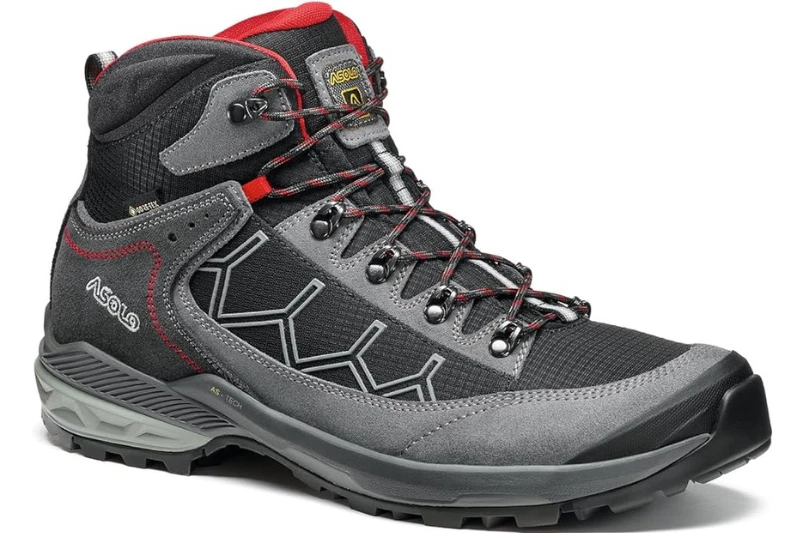
The 3D thermo-shaped collar is the standout feature: a three-layer construction that wraps your ankle anatomically. Felt comfortable from the first mile, no hot spots. That said, the toe box runs narrow. If you have wide feet, expect some wear-in time before it opens up.
Vibram MegaGrip does what it’s supposed to. Confident grip on dry rock, capable when things get damp. Loose shale, steep granite, no complaints. The lugs are shallower than aggressive tread patterns, though, maybe 0.13”-0.15”. Fine for rock and hardpack, but deep mud will give you trouble.
Ankle support is adequate for the weight class. I wouldn’t mind an extra eyelet to really cinch things down, but it held up on moderate terrain. At 2 lbs per pair, these are light enough to move quickly without feeling flimsy.
PFAS-free and resolable, which extends the lifespan if you’re willing to invest down the road. One durability note: the penultimate eyelet is fabric, not metal. Worth watching over time.
For more information, check our in-depth Asolo Falcon GV Review.
PROS
CONS
What We Considered when Choosing the Best Flat Feet Hiking Shoes
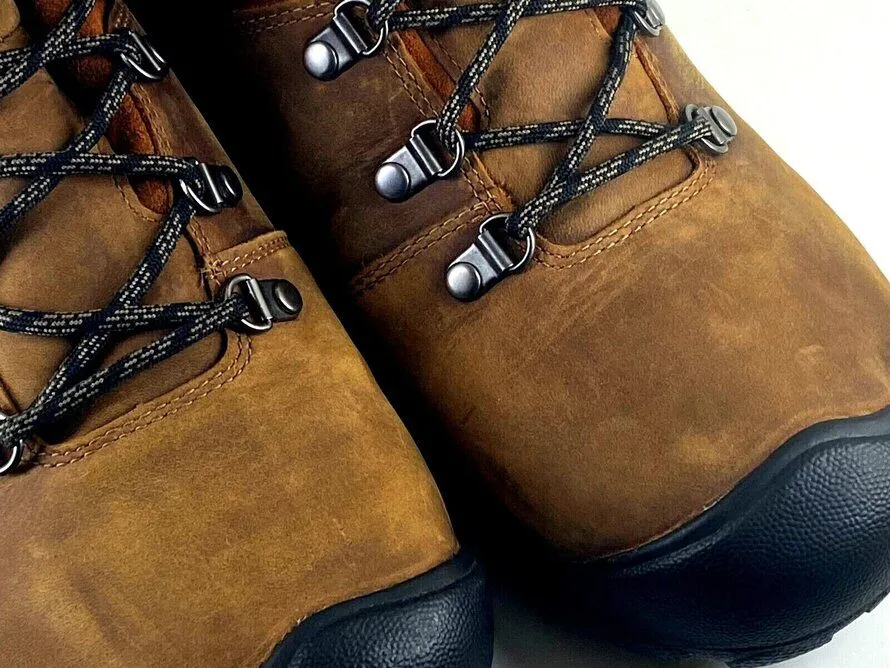
We considered the following criteria as we analyzed and tested the different hiking boots on the market for flat feet. These criteria helped us determine our 11 best hiking shoes for flat feet.
Fit
Boots that are designed for flat feet offer extra arch support to reduce the strain on ligaments and tendons. However, for this to happen, you need to get a pair that fits you well, ensuring that your foot is properly aligned inside.
We checked every pair we tested to ensure a secure fit and that the hiking shoes prevented our heels from slipping. We also ensured that areas didn’t rub or cause blisters and worked well for a pain-free hike.
Salomon Quest 5 GORE-TEX came out on top here. 9.5/10. That glove-like fit is hard to beat. Asolo Falcon Evo GV Hiking Boot was close behind at 9/10, comfortable right out of the box without any fuss.
Columbia Newton Ridge Plus II Waterproof scored only 6/10. The narrow toe box design didn’t work for us. HOKA Kaha 3 GTX landed at 7/10 due to inconsistent sizing and a narrow toe box with no wide option available.
Weight
We looked for shoes that were light in weight and avoided making our feet feel fatigued while walking, but we also took into account that a shoe that is too light may not offer enough support.
A good balance between weight and support is important, especially if you’re carrying a heavy load and don’t want anything extra weighing you down.
Salomon X Ultra 5 Mid GTX nailed it. 9/10. Good cushioning, light feel, kept us moving. Timberland Mt Maddsen Mid Leather went the other direction, clunky and heavy. The cushioning is worth it for some, but you’ll feel the weight.
Tread
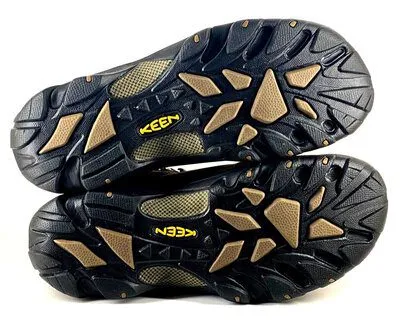
Hiking boots with a good tread pattern and a rubber outsole will help to give you high traction on slippery surfaces and prevent falls or other injuries.
The only downside of deep lugs is that they can sometimes get clogged, but we found that it only happens in extremely muddy situations.
Our tests revealed that all the boots on our list handle traction well across different terrains. KEEN Targhee IV Mid and Salomon Quest 5 GORE-TEX stood out on rocky ground and slippery sections, both scored 9/10.
Columbia Newton Ridge Plus II Waterproof struggled a bit on wet surfaces. 7/10.
Breathability
Good ventilation makes all the difference during long hikes that can make your feet sweat, especially in the summer. Yet, breathable shoes often make a compromise, trading features like waterproofing or insulation for better temperature and sweat management.
Merrell Moab 3 earned 9/10 for breathability. Those mesh insertions make a real difference in warm weather. Asolo Falcon Evo GV also stayed comfortable even with a waterproof membrane, pulling 8/10.
Timberland Mt Maddsen Mid Leather runs hot when you’re pushing hard. 7/10 for breathability. HOKA Kaha 3 GTX scored 6/10. The full GORE-TEX wrap keeps water out but traps heat on warmer days.
Cushioning
This area of evaluation is perhaps the most important for hikers with flat feet. People with fallen arches need this extra level of cushion to remain without pain, although it does reduce the ground feel and adds extra shoe weight.
HOKA Kaha 3 GTX scored highest here at 9.5/10. The dual-density EVA midsole is the best we tested for shock absorption, and hikers with plantar fasciitis will notice the difference. Merrell Moab 3 came close at 9/10, absorbing shocks well without feeling like a brick on your foot.
Asolo Falcon Evo GV could use a bit more cushioning and improved support for flat feet, but it still pulled an 8/10.
Comfort
Nothing is worse than experiencing discomfort during the middle of a hike. We ensured that we tested the best hiking shoes for flat feet that made our feet comfortable for long distances and included features like a contoured footbed or memory foam.
More comfort features usually mean more weight. KEEN Targhee IV Low and Asolo Falcon Evo GV Hiking Boot managed to keep both in check. 9/10 each.
Timberland Mt Maddsen Mid Leather felt too rigid. 6/10 for comfort.
Water Resistance
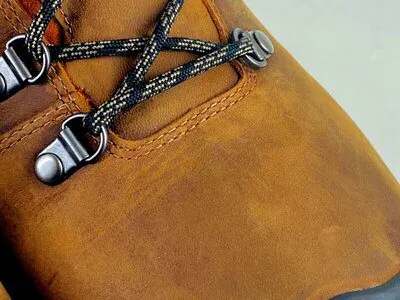
When hiking, you may come across showers, streams, or a bit of dew in the morning, which calls for good water protection from your footwear.
While a waterproof membrane reduces breathability since it interferes with the air circulation around your feet, it can also help you stay comfortable, preventing chafing and blisters often caused by water entering your boots.
Lowa Renegade Evo GTX Mid handled this best. 9/10.
Ankle Support
Ankle support helps in preventing sprains and twists by stabilizing the ankle joint. This is a nice bonus, especially on uneven or rocky terrains, reducing the risk of injuries during hiking.
You will also benefit from increased stability and protection against debris, although at first, you may need to put up with the longer break-in period these models entail.
Lowa Renegade Evo GTX Mid Hiking Boot is a solid example. 9.5/10 for ankle cushioning and protection. HOKA Kaha 3 GTX also performed well here at 8.5/10, with a stiff heel counter that adds stability without feeling restrictive.
KEEN Targhee IV Low is not recommended if ankle rolls worry you. Low-cut design means less stability. 4/10 for this category.
Where To Buy?
| Hiking Boot or Hiking Shoe | Price Men | Price Women | Rating | Best For |
|---|---|---|---|---|
| Merrell Moab 3 | Check on Amazon» $140 on Backcountry» $140 on REI» | Check on Amazon» $140 on Backcountry» $105 on REI» | 4.8 | Hot weather, comfort |
| HOKA Kaha 3 GTX | Check on Amazon» $240 on HOKA» $240 on REI» | Check on Amazon» $240 on HOKA» $240 on REI» | 4.7 | Day hikes, comfort |
| KEEN Targhee IV Mid | Check on Amazon» $180 on Backcountry» $180 on REI» | Check on Amazon» $180 on Backcountry» $180 on REI» | 4.7 | All-around, trails |
| Salomon X Ultra 5 Mid GTX | Check on Amazon» $185 on Backcountry» $175 on REI» | Check on Amazon» $185 on Backcountry» $175 on REI» | 4.7 | Technical trails |
| Salomon Quest 5 GORE-TEX | £200 on Salomon UK | £200 on Salomon UK | 4.6 | Backpacking, tough terrain |
| Timberland Mt Maddsen Mid Leather | Check on Amazon» $130 on Backcountry» $130 on REI» | Check on Amazon» $120 on REI» | 4.5 | All-purpose, casual |
| Columbia Newton Ridge Plus II | Check on Amazon» $100 on Backcountry» | Check on Amazon» $100 on Backcountry» | 4.3 | Budget, wet trails |
| KEEN Targhee IV Low | Check on Amazon» $170 on Backcountry» $170 on REI» | Check on Amazon» $170 on Backcountry» $170 on REI» | 4.2 | Wide feet, day hikes |
| Timberland White Ledge Mid | Check on Amazon» Check on eBay» | Check on Amazon» $120 on REI» Check on eBay» | 4.1 | Value, light hikes |
| Lowa Renegade Evo GTX Mid | Check on Amazon» $265 on Backcountry» $280 on REI» | Check on Amazon» $265 on Backcountry» $280 on REI» | 4.0 | All-terrain, support |
| Asolo Falcon EVO GV | Check on Amazon» $260 on Backcountry» $275 on REI» | Check on Amazon» $260 on Backcountry» $275 on REI» | 3.8 | Long hikes, technical |
What Other Products Could Help When Hiking With Flat Feet?
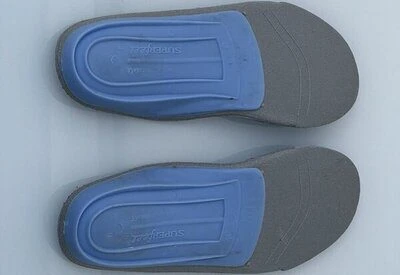
If your flat feet bother you while you hike, you may want to use a special orthotic insole to improve the support for the arches and heels of your feet [1].
These top hiking insoles can also add more cushion to this area and give you all the stability you need for your hiking adventure.
FAQs
Hiking shoes made for flat feet provide added support, a roomier fit, and more shock absorption to keep your feet stable and comfortable during walks or hikes.
Yes, people with flat feet can hike without pain or discomfort, provided that they wear shoes with ultimate support and a shock-absorbing midsole.
Salomon boots are great shoes for flat feet. The OrthoLite supportive footbed provides extra comfort and stability to help the foot remain supported throughout the duration of your day hike or longer outdoor adventure.
Prices in this article are approximate and updated annually. Check the retailer for current rates.




Thank you for this comprehensive guide! I’ve been struggling to find hiking boots that provide the right support for my flat feet, and the detailed descriptions of each option are super helpful. I particularly appreciate the tips on finding the right fit. Can’t wait to try some of these recommendations on my next hike!