

There’s something about waking up in a tent. That first breath of cold morning air, the quiet that isn’t quite quiet, the way coffee tastes better when you’ve made it on a camp stove. Rewires your brain in ways a hotel room never will.
I discovered this on a last-minute trip to Big Bend when I was twenty-six, borrowing gear from a friend who had to draw me diagrams for setting up the rain fly. Still set it up backwards. Twice. That weekend changed the trajectory of my outdoor life.
Camping comes in dozens of flavors. Drive-up sites with bathrooms and fire rings where you can park ten feet from your tent. Backcountry spots so remote you won’t see another human for days, and honestly, that’s kind of the point.
This guide walks through everything. Your first night at a developed campground (training wheels fully attached). Solo trips in unfamiliar terrain where you’re making it up as you go.
We’ve tested gear, camped in every season, including some truly questionable weather decisions, and made enough mistakes that you don’t have to repeat them. Learn from my pain.
What Is Camping? Understanding the Basics
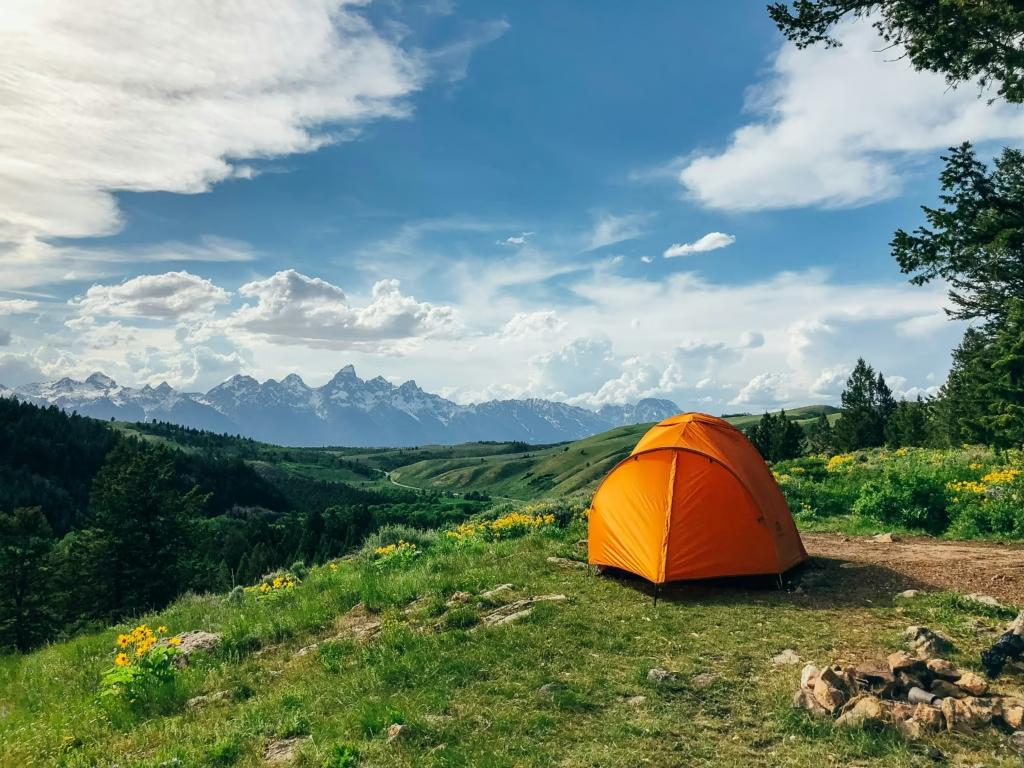
Camping means different things to different people. For some, it’s a weekend at a state park campground with flush toilets and picnic tables. For others, it’s a week-long trek into the wilderness where the nearest road is twenty miles away. Neither version is more legitimate than the other.
Different Camping Styles
Car camping and campground camping are where most people start. You drive to a designated site, park next to your tent, and often have access to bathrooms, potable water, and established fire rings. Low barrier to entry. Manageable stakes. You can bail to a motel if things go sideways (I’ve done this, zero shame). It’s the training ground.
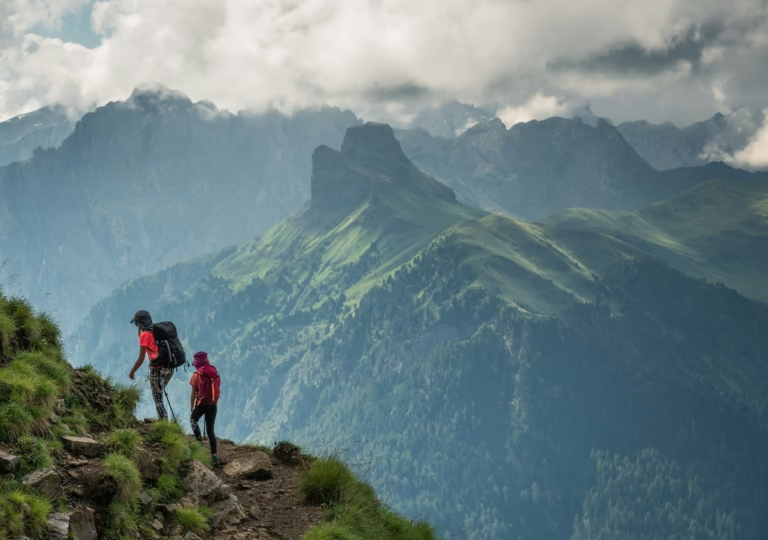
Backpacking and backcountry camping strip everything down. You carry an ultra-lightweight tent, food, and water on your back, hiking miles from the trailhead to find a spot. Gear gets lighter. Skills get sharper. Solitude gets real. If you’re drawn to alpine meadows above treeline or river valleys with no cell service, this is where that leads.
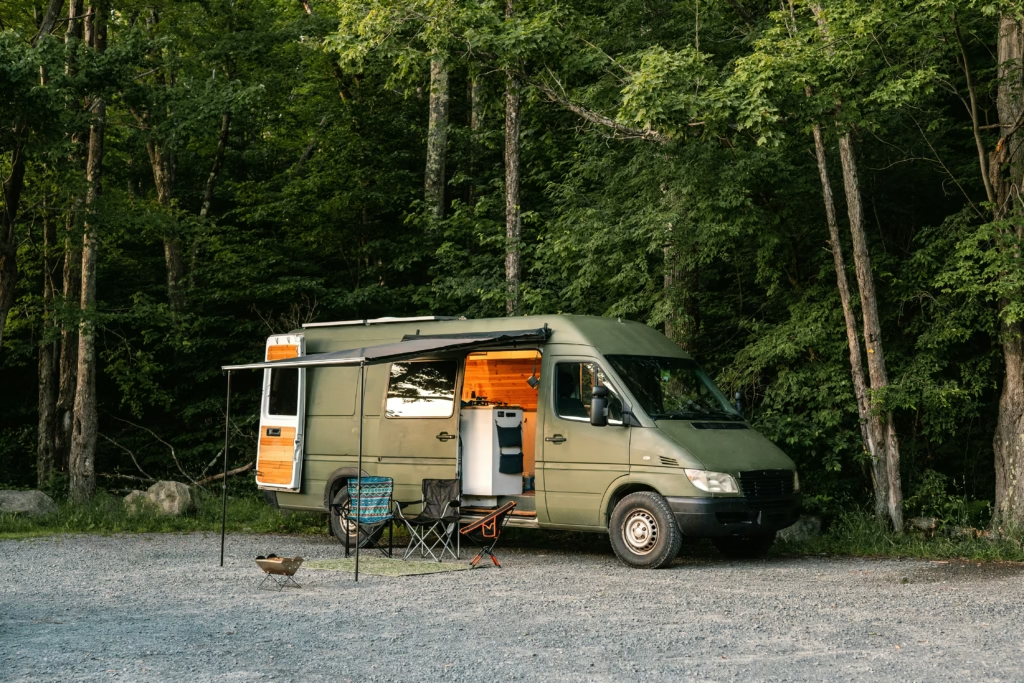
RV and glamping prioritize comfort without fully leaving the outdoors behind. Climate control, real beds, sometimes running water, options that work well for family camping with young kids or anyone who wants nature without the ground-sleeping part.
Wild camping and dispersed camping happen on public land without designated sites: Bureau of Land Management territory, national forests, anywhere that allows it. You’re fully off-grid, fully responsible for your own Leave No Trace practices, fully free to find spots that don’t appear on any app. Camping at its most independent.
Cowboy camping means sleeping directly under the stars with no tent at all. Just your sleeping bag and pad on the ground, maybe a tarp underneath if you’re being cautious. I did this accidentally the first time. My tent poles broke on day two of a trip and I was too stubborn to hike back out. Ended up loving it. You see every star, feel every breeze, wake up with dew on your face. It only works in dry climates or when you’re absolutely certain it won’t rain, and you need to be comfortable with bugs crawling near you because there’s no barrier between you and everything else out there.
Bivvying sits somewhere between cowboy camping and a full tent. You’re using a bivy sack, which is basically a waterproof shell that goes over your sleeping bag. Minimalist, lightweight, takes up almost no space in your pack.
Why People Camp
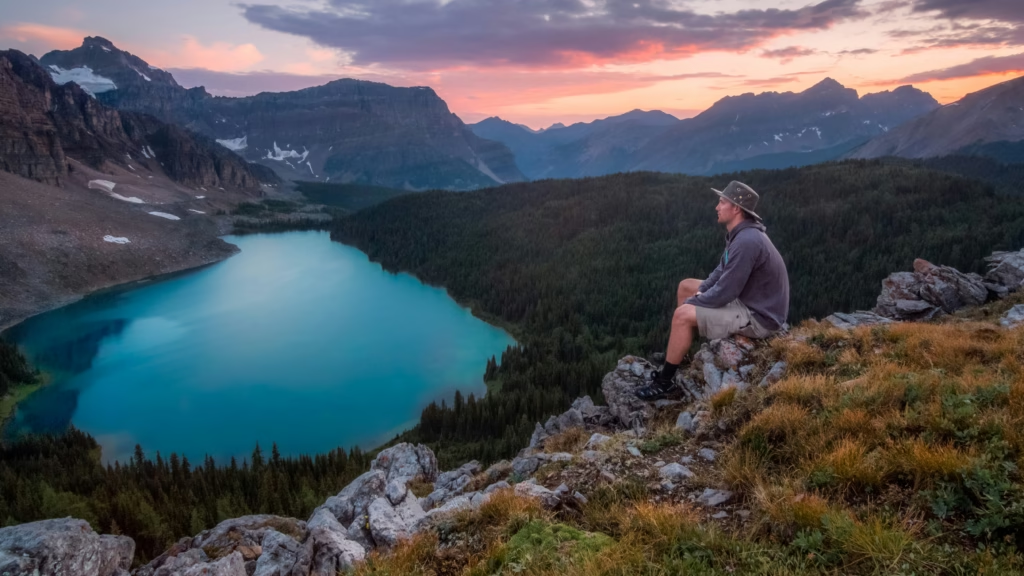
For some people, a weekend in the mountains is enough to reset their nervous system. After a brutal work week, three nights by a lake can quiet the anxiety that’s been running for months.
Others want physical challenge: hiking with a loaded pack, swimming in cold water, moving through terrain that demands attention.
Families camp to get everyone off devices and into a shared experience.
Solo travelers camp to prove something to themselves, or to find it.
And you can camp on a budget. A $20 campsite beats a $200 hotel room, and the “amenities” are better: darkness at night, quiet, stars. You sleep more deeply. You return home clearer.
Essential Camping Gear Checklist

Gear can become an obsession or an afterthought, and neither extreme serves you well. The goal is having what you need to stay safe, sleep reasonably well, and eat food that doesn’t make you miserable, without carrying so much that the weight ruins the experience. Everything else is personal preference, you’ll figure out over time.
Shelter
Your tent is your weather protection, your bug barrier, and your psychological home base when everything outside is unfamiliar.
Capacity ratings lie. A “two-person” inflatable tent fits two people like sardines, so size up if you want elbow room.
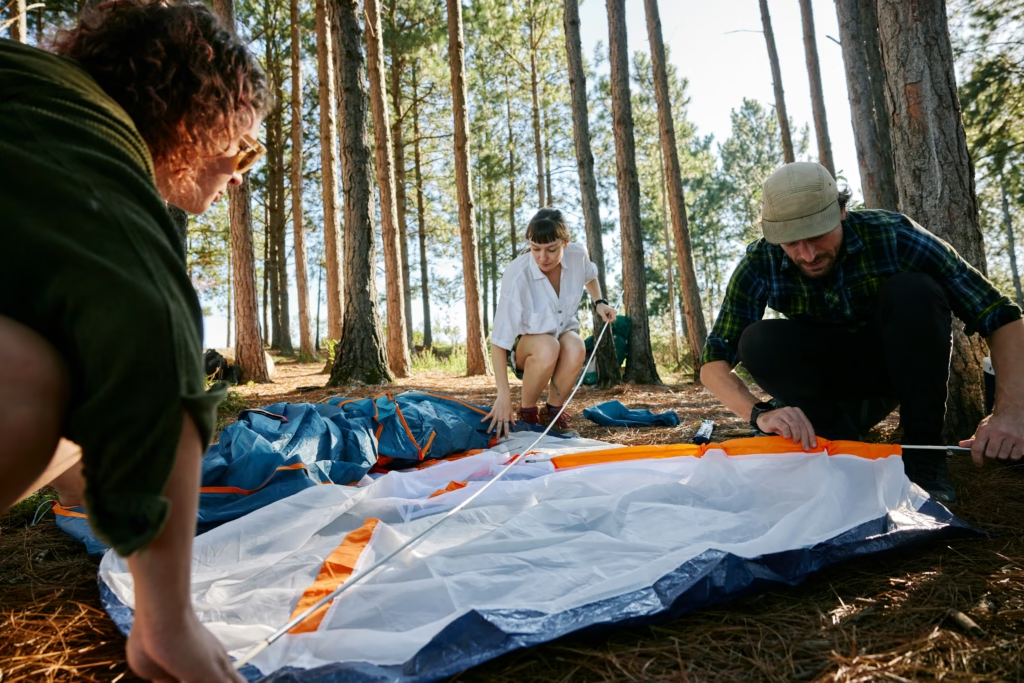
Three-season tents handle spring through fall in most climates; four-season tents add the structure needed for snow loads and serious wind, at the cost of weight and ventilation.
Budget options in the $100-300 range work fine for beginners; you can upgrade later once you know what matters to you.
Set your tent up in the backyard before the trip. Practice finding the zipper at 2 AM in the dark. You’ll thank yourself later.
Don’t forget to bring a tent heater if you’re expecting low temperatures.
I’m also throwing in a guide on how to wash your tent when you’re getting home after your big adventure.
Sleep System
This means sleeping bag plus sleeping pad, and they work as a unit. Temperature ratings on bags assume you’re also using an insulated pad – a 30°F-1°C bag on bare ground won’t keep you warm at 30°F.-1°C. Get a bag rated 10-20 degrees5-10 degrees colder than the lowest temperature you expect; manufacturers are optimistic.
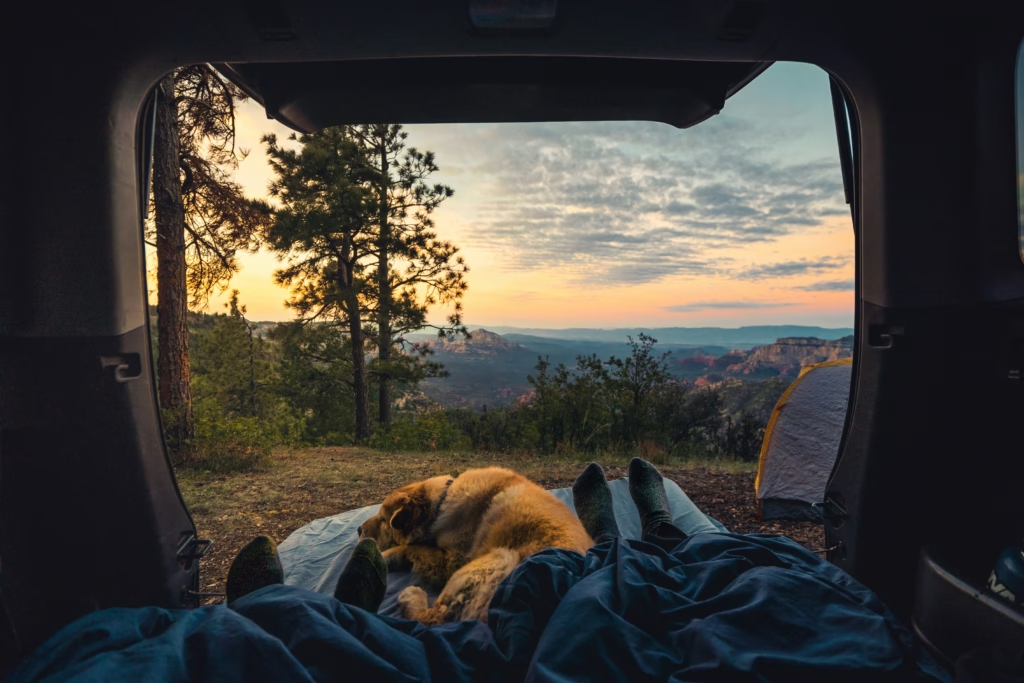
Down insulation packs smaller and lasts longer, but loses warmth when wet. Synthetic costs less, dries faster, and performs okay when damp.
Your pad’s R-value measures insulation from the cold ground, and higher numbers mean warmer sleep. Foam pads are cheap and indestructible; inflatable pads are comfortable but require care around punctures.
Camp Kitchen Equipment
Camp stoves come in three main types.
Canister stoves Canister stoves are the most common for good reason. They’re light, they’re convenient, and they screw onto fuel canisters in about two seconds. The downside is they get finicky in cold weather, which is annoying when you’re trying to boil water at 20 degrees,-7 degrees Celsius, and the stove just sputters at you.
Liquid fuel stoves work anywhere and in any weather, but they’re heavier, and you have to maintain them. There’s priming involved. It’s a whole thing.
Solid fuel tablets are what I bring as an ultralight backup, but they’re slow and kind of a pain for actual cooking. More of an emergency option.
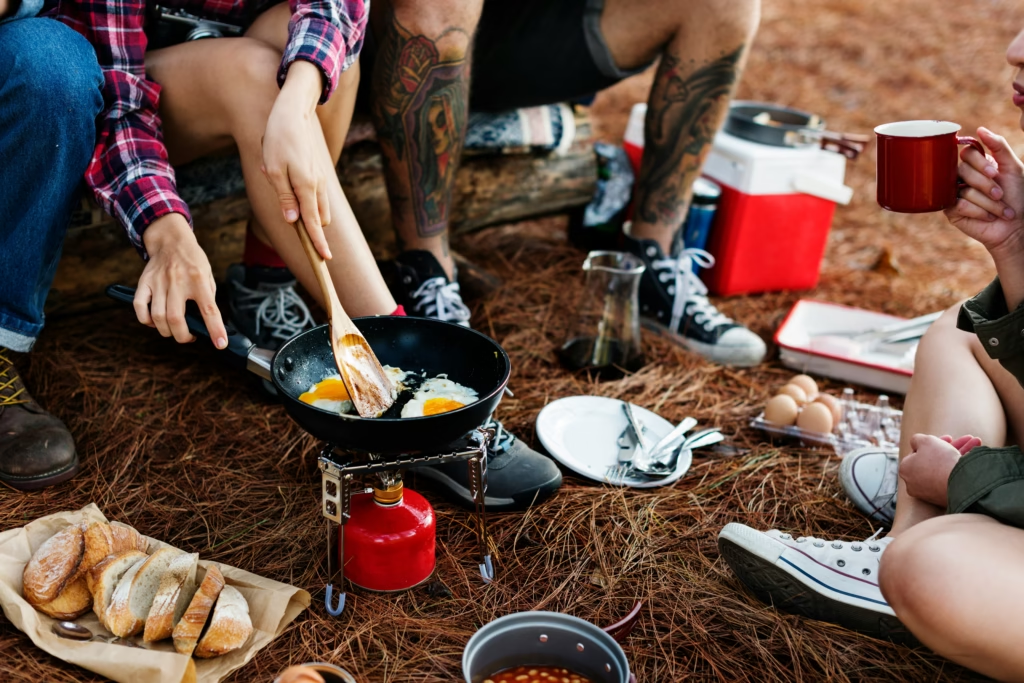
For cookware, you don’t need much. One pot, one pan, a spatula, a spoon. That handles most camping meals unless you’re trying to get fancy out there. Calculate roughly one ounce30 grams of fuel per meal.
And this should go without saying, but I’m going to say it anyway. Never use a camp stove inside your tent. Carbon monoxide doesn’t smell, doesn’t warn you, just kills you while you sleep. Cook outside. Always.
Lighting
Bring a headlamp. I know people who try to manage with just a flashlight, and they end up holding it in their teeth while trying to cook or set up a tent in the dark. Absolutely miserable, and you look ridiculous doing it.
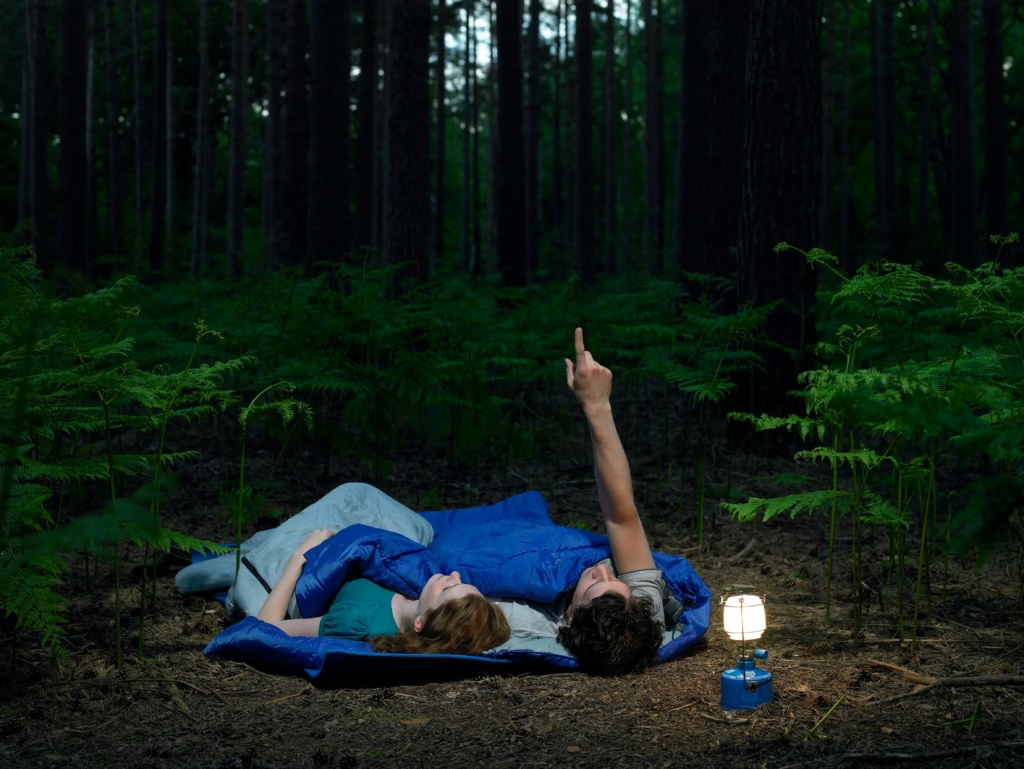
A small lantern is nice for ambient camp light and if you plan some camping activities at night, but you can skip it if you’re counting ounces. I bring one on car camping trips, leave it at home for backpacking.
First Aid and Navigation
Your first aid kit needs to handle the stuff that actually happens. Blisters are the big ones. Bring prevention tape plus treatment supplies because blisters will absolutely ruin a trip.
Cuts and scrapes happen when you’re scrambling over rocks or dealing with sharp camping gear. Antibiotic ointment, bandages, the basics. Ibuprofen for pain and inflammation because your body will hurt after a day of hiking with a heavy pack.
Add a whistle for emergencies. Three sharp blasts is the universal distress signal.
For navigation, a map and compass are baseline skills that don’t require batteries.
Camping Footwear
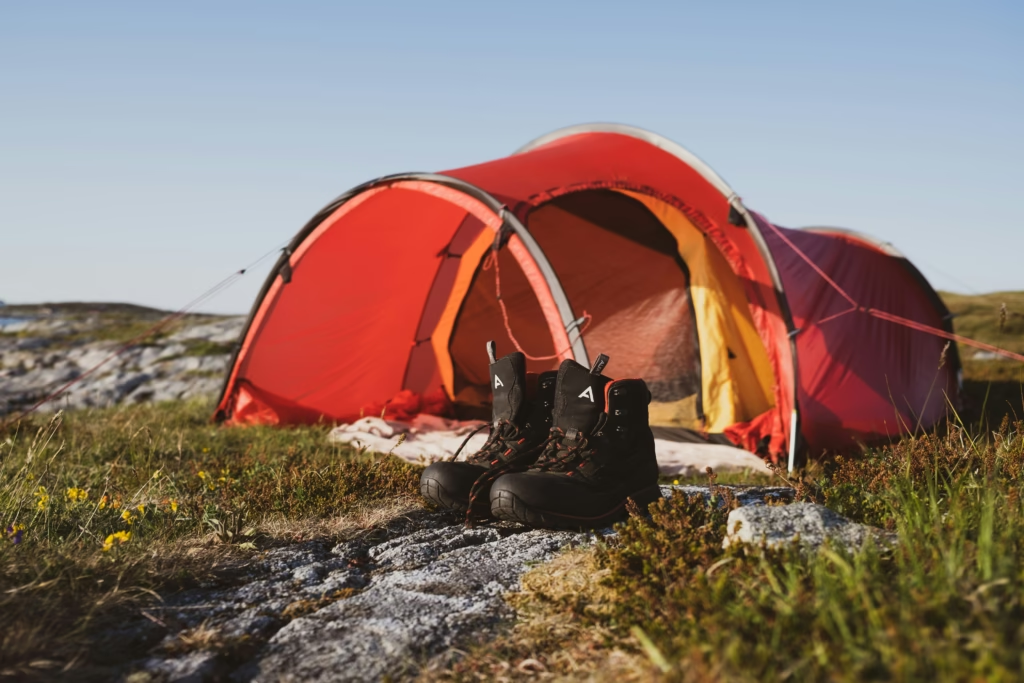
Your feet carry you everywhere at camp, so get the right outdoor footwear to protect them from blisters and pain.
Best Footwear for Camping
Car camping at the beach or established campgrounds? You don’t need mountaineering boots. Trail runners work. Light hiking shoes work. Anything sturdy and closed-toe that you can walk around in all day without wanting to die.
But if you’re hiking to your campsite, or you’re planning to do any exploring on actual trails with rocks and roots and uneven terrain, get proper hiking boots with ankle support. The cheap ones from Target will betray you.
Also, if you anticipate rainy weather, consider waterproof boots or shoes.
Break Them In Before You Go
New boots on a camping trip is a mistake I’ve made exactly once and will never make again.
Tetons. Three days. Brand new boots that were admittedly very cute. Blisters on both heels within four miles, and I still had two more days to go. Walked the whole way back with moleskin patches that kept sliding off and a truly foul mood. My friend still brings this up when we’re planning trips.
Boots need miles on them before the leather or synthetic materials soften enough not destroy your feet. Wear them around your neighborhood. Wear them to run errands. Wear them while you’re doing laundry, cooking dinner, or whatever. Just break them in somewhere you can take them off when they start hurting.
Camp Shoes for Downtime
Your feet need to breathe. After a day of being laced into boots, compressed and sweaty and probably a little swollen, you want to just let them exist as feet again without all that structure crushing them.
Sandals work. Those slip-on clogs that look kind of ugly but feel amazing. I’ve seen people bring the puffy bootie things that are basically sleeping bags for your feet.
Personally I keep a pair of cheap slip-on sandals in my camping bin year-round, the kind you can buy for twelve dollars at Target and not care if they get trashed.
The real reason I bring them though? Middle-of-the-night bathroom runs. Trying to lace up hiking boots at 2 am when your bladder is screaming and you’re half asleep is genuinely one of the most annoying experiences camping has to offer.
Slip-ons you can jam your feet into while stumbling out of the tent in the dark. I keep mine right by the tent door.
Also if you’re staying at a campground with camp shower facilities that look even remotely sketchy, having something you can wear in there that isn’t your hiking boots is worth its weight in gold.
Layering and Clothing
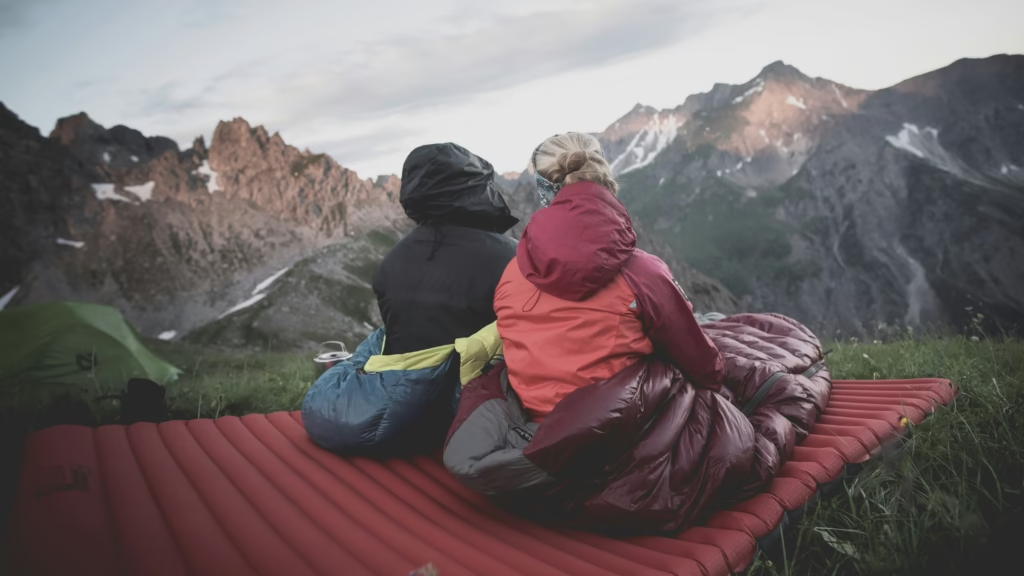
Weather in the mountains does whatever it wants, and you just have to deal with it. I’ve been sweating through my shirt at noon and shivering in unexpected rain by 3 pm on the same day, and so have a lot of campers and hikers out there. Hence, the layering system.
Base Layers
These are what goes against your skin. Merino wool, if you can afford it, synthetic if you can’t. Both work fine. The point is they wick moisture away instead of holding it against your body as cotton does.
And cotton is genuinely terrible for camping, I cannot stress this enough. It gets wet from sweat or rain and then just stays wet and cold against your skin.
I didn’t know this on my second camping trip and wore a cotton t-shirt to sleep, and spent the whole night damp and freezing and mad at myself.
Mid Layers
Usually fleece or a puffy jacket, something that traps warm air close to your body. You’ll take this off when you’re hiking and generating heat, then put it back on the second you stop moving and realize you’re cold again. This happens faster than you expect.
Outer Layer
A rain jacket or windbreaker that keeps the weather off you. Get something that’s actually waterproof and breathable instead of those plastic ponchos that cost eight dollars at a gas station. Those things just trap all your sweat inside, and you end up soaked anyway from the inside out.
Hats, Gloves, and Socks
Bring a warm hat, even if you think you won’t need it. You lose a lot of heat through your head. Add gloves if it’s going to be extra cold. Also, if your friends want to gift you something cool for your camping trips, ask for wool or synthetic socks. Not cotton.
Planning Your Camping Trip
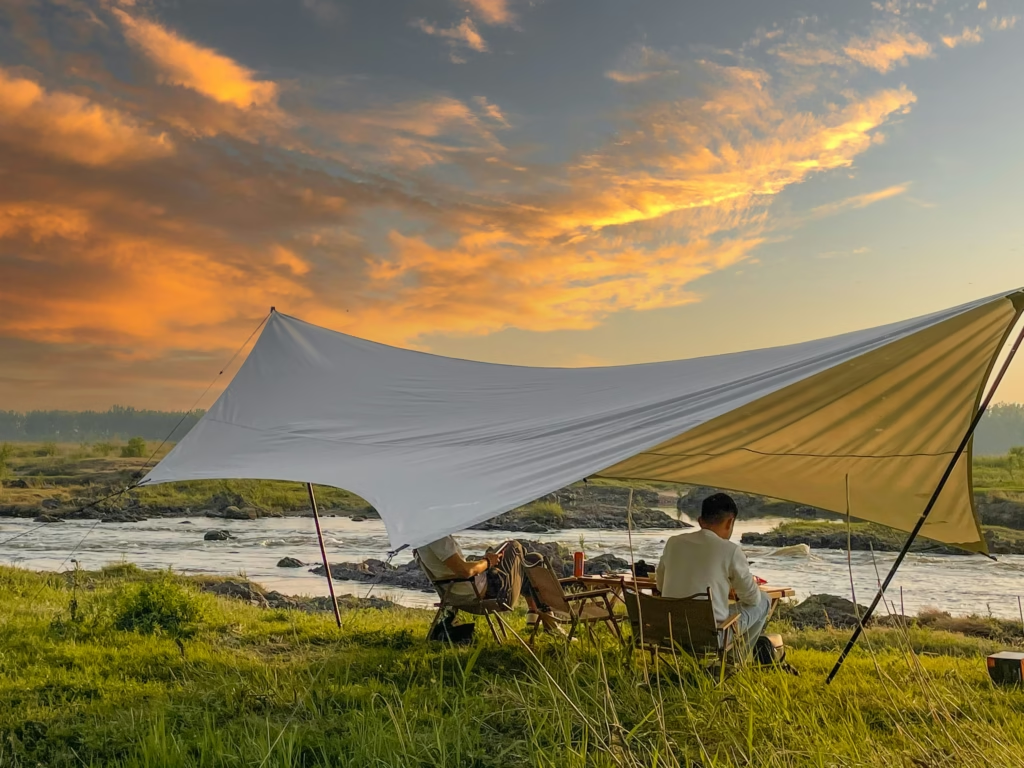
The difference between a site that floods in rain and one that stays dry, between a permit you secured months ago and a “campground full” sign when you arrive, between weather you prepared for and weather that sends you home early, all of that happens before you leave your house.
Choosing Your Campsite
I’ve booked campsites through so many different platforms at this point that I have strong opinions about which ones are worth your time.
Recreation.gov is where you’ll end up for anything federal: national parks, national forests, BLM camping. The interface is clunky but it’s what we’ve got.
Campendium is honestly more useful for the research phase because it pulls together actual camper reviews from both public and private campgrounds, and you get a sense of what a place is really like beyond the official photos.
AllTrails is technically for hiking but I use it to scope out camping options near trails I want to hit. The reviews there tend to be pretty honest about conditions.
Ignore the star ratings, though. Someone who camps in a thirty-foot9-meter RV and someone backpacking solo will rate the same site completely differently. What you want are the specific complaints. If three different people mention flooding after rain, that site floods. If multiple reviews talk about noise from the highway or sketchy people hanging around, believe them.
Permits and Regulations
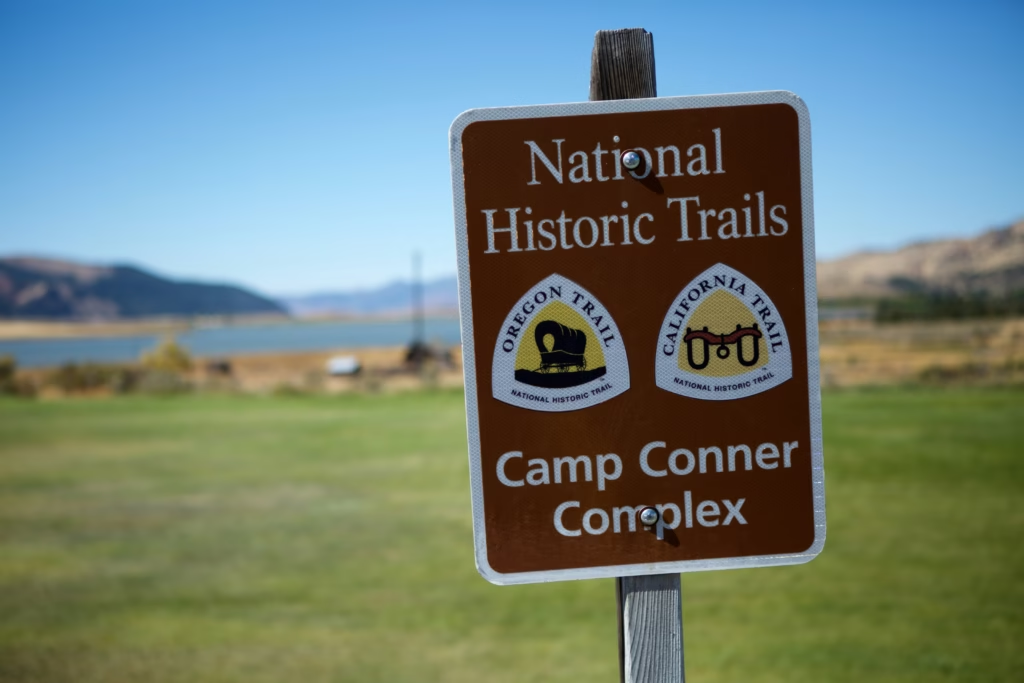
The permit situation changes depending on where you’re going and it’s annoying that there’s no universal system.
National parks are the worst for planning because everyone wants to go there. You’re looking at reservations five or six months out for popular sites, sometimes longer if it’s somewhere like Yosemite during peak season.
National forests are way more chill. Most sites are first-come-first-served, fees are lower, you get fewer amenities but also way fewer rules and people breathing down your neck. I prefer them honestly.
State parks are all over the map. Some require reservations months ahead, others you can book the week before, it just depends on the park and the season.
BLM land is where you go when you want actual freedom. Dispersed camping is usually free, there are no facilities, and you’re completely responsible for your own Leave No Trace practices. Nobody’s checking on you. It’s camping at its most independent, which is either appealing or terrifying depending on your experience level.
Leave No Trace

These rules keep public lands from getting shut down because people wrecked them. I’ve lost access to spots I loved because too many campers treated them like garbage dumps.
- Check regulations before you show up. Every park has different rules and “I didn’t know” doesn’t work when you’re building a fire during a burn ban.
- Use established trails and campsites. Cutting switchbacks creates erosion. That untouched meadow you want for Instagram takes years to recover after one night of your tent compressing it.
- Pack out everything. Apple cores, orange peels, granola wrappers, all of it. “It’s biodegradable” doesn’t matter. This doesn’t have to do with eco camping. Animals find it, then associate humans with food, and we end up with problem bears.
- Catholes need to be 6-8 inches15-20 centimeters deep, 200 feet60 meters from water. Pack out toilet paper in high-use areas. Gross but necessary.
- Use existing fire rings. Dead wood only. Keep fires small and extinguish them until you can touch the ashes. Smoldering fires reignite.
- Give wildlife 100+ feet30+ meters of space. Never feed them. Store food in bear canisters or hang it properly.
- Quiet hours exist. Don’t camp six feet from someone else. Don’t blast music at midnight or if your’re playing board games, keep it down. Basic respect.
Trip Duration and Difficulty Scaling
Your first camping trip should be one to two nights at an established campground within a few hours of home. This keeps the stakes low, allows quick bailout if needed, and gives you a realistic assessment of what you actually enjoy.
Build progressively.
Trips one through three: established campgrounds, car camping, and nearby locations.
Trips four through six: develop specific skills like fire building, water treatment, and navigation practice.
After that, consider backcountry options, longer duration, and new terrain.
By trip three, you’ll know whether remote or established sites suit you better, and the fear drops dramatically once you’ve actually done it a few times.
Campsite Setup and Camp Management
You’ve arrived. The car is parked, the site looks promising, and now everything depends on the next hour of decisions.
Setting Up Your Campsite Safely
Walk the entire area before committing to a spot. Seriously, walk it barefoot if the ground allows. You’ll feel rocks and roots that will keep you awake all night.
Check overhead for dead branches (called “widowmakers” for a reason). Look at drainage patterns: will water pool here if it rains? Low spots become lakes during storms.
Point your tent entrance east if you can. Morning sun warms things up faster, which is important when you’re trying to motivate yourself out of a sleeping bag at 6 am.
Don’t camp right next to water even though it’s tempting. You need 200 feet60 meters minimum – protects the water quality and keeps you legal. Also keeps you out of the path animals take when they come down to drink at night.
Cook away from where you sleep. Fifty feet15 meters is the guideline but honestly I go farther when I can. You don’t want a bear investigating food smells while you’re unconscious in a nylon bag.
Bathroom area goes downstream, downwind, away from everything. This should be obvious but apparently needs saying.
Food Storage and Bear Safety
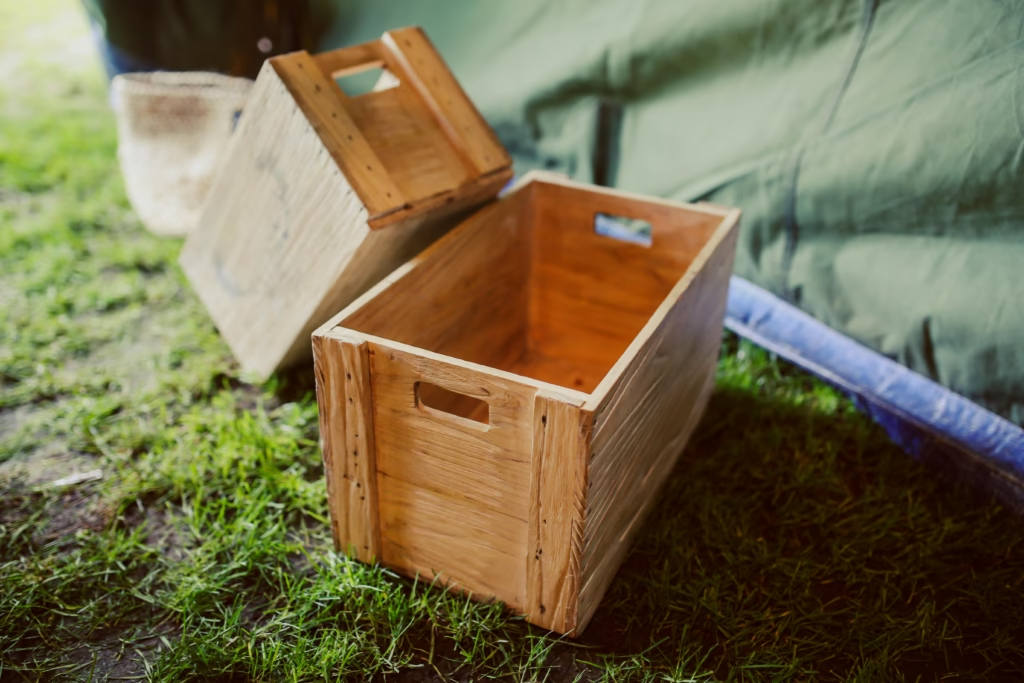
According to the National Park Service, bears that learn to associate humans with food almost always end up dead. Habituation is a death sentence for them. Your responsibility is prevention.
Buy a bear canister
Bear canisters are rigid containers that bears can’t crush or open, required in many backcountry areas and smart everywhere. Place them 100+ feet30+ meters from camp, out of sight.
Established campgrounds usually have bear boxes
Use them. Sounds simple but I’ve watched people leave them unlatched, which defeats the entire point. Close yours completely and make sure the latch catches.
Hanging bear bags from trees is where most people screw up
It needs to be twelve feet4 meters off the ground, six feet2 meters from the trunk, and at least 100 feet30 meters from your tent. I practiced in my backyard with a rope and a stuff sack before my first backcountry trip, and I still barely got it right the first time. Do a test run before you’re doing this in the dark after hiking all day.
Everything scented goes in bear-proof storage
Food obviously, but also trash, toothpaste, sunscreen, lip balm, deodorant. Bears have insane noses and will investigate anything that smells interesting.
Never store food in your tent
Just don’t. And don’t leave food sitting out at camp while you go explore. The five minutes you’re gone is exactly when something will show up.
These rules apply even when you’re tired, even when it’s raining, even when it seems like overkill.
Meal Planning for Camping
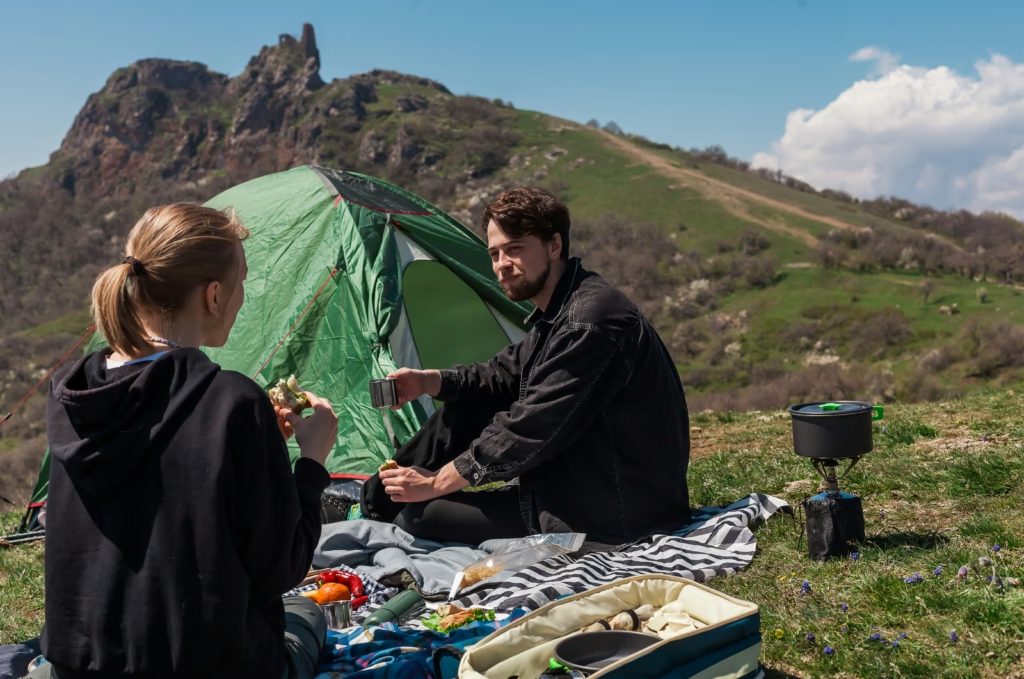
I packed for my first three-day trip like I was eating at home. By day two, I was rationing peanut butter and fantasizing about gas station pizza with an intensity that probably wasn’t healthy. You burn through food out there. Cold, altitude, hiking with a pack, your body just wants more.
Now I do all my prep before I leave. Everything portioned into ziplocks, recipes tested at home, so I’m not standing at my stove in the dark, realizing this dehydrated meal takes forty minutes and tastes like cardboard.
Mornings are oatmeal with dried fruit. Lunch is crackers and peanut butter, jerky, maybe cheese if it’s cool out. For dinner, I’ll make pasta or something, nothing fancy.
Snacks are just nuts, trail mix, chocolate, and jerky. I bring instant coffee and hot cocoa every single trip. Wrapping your hands around something warm at camp after a long day, I don’t know, it just matters to me.
And stop buying premade trail mix. I wasted money on that stuff for way too long before I figured out the bulk bin at Costco exists.
Check out more easy camping meals if you’re out of inspiration.
Essential Camping Skills You Should Know

Navigation, water treatment, building fires, basic first aid – you don’t need to master everything before your first trip, but these are worth learning as you go.
Navigation and Wayfinding
My phone died during a solo hike last year right when I needed to confirm which fork in the trail was correct. I stood there for probably five minutes just staring at the dead screen. That’s when I learned map and compass skills aren’t optional.
Topo maps show you what your phone can’t. Contour lines squeezed together mean you’re facing a steep climb. Lines spread apart, easier terrain. Orient it to north over and over until it clicks.
Before leaving the trailhead, mark it on your map and photograph the sign.
Pay attention to landmarks as you hike. That oddly shaped rock. Where the creek crosses. The fork where you turned left. I think of it like leaving breadcrumbs for myself because trails look completely different in reverse and my brain gets confused.
If you realize you’re lost, stop walking. The panic makes you want to rush around looking for something familiar, but that just gets you more lost. Sit down, breathe, look at the map. Work through it slowly.
Water Treatment and Purification
Treat your water. Every time. Untreated streams carry Giardia and other parasites that will wreck your trip and follow you home.
Boiling kills everything. One minute at a rolling boil, three minutes above 6,500 feet.2,000 meters. Burns through fuel but always works.
Filters like Sawyer or LifeStraw cost $25-60 and last for years, fast and light and effective against bacteria and protozoa.
Chemical tablets weigh almost nothing and handle most situations, though they leave a taste you’ll want to cover with drink mix.
Pick your method and stick with it. Skip treatment once because the water looks clean, and you’ll learn why that’s a bad idea.
Fire Building and Maintenance
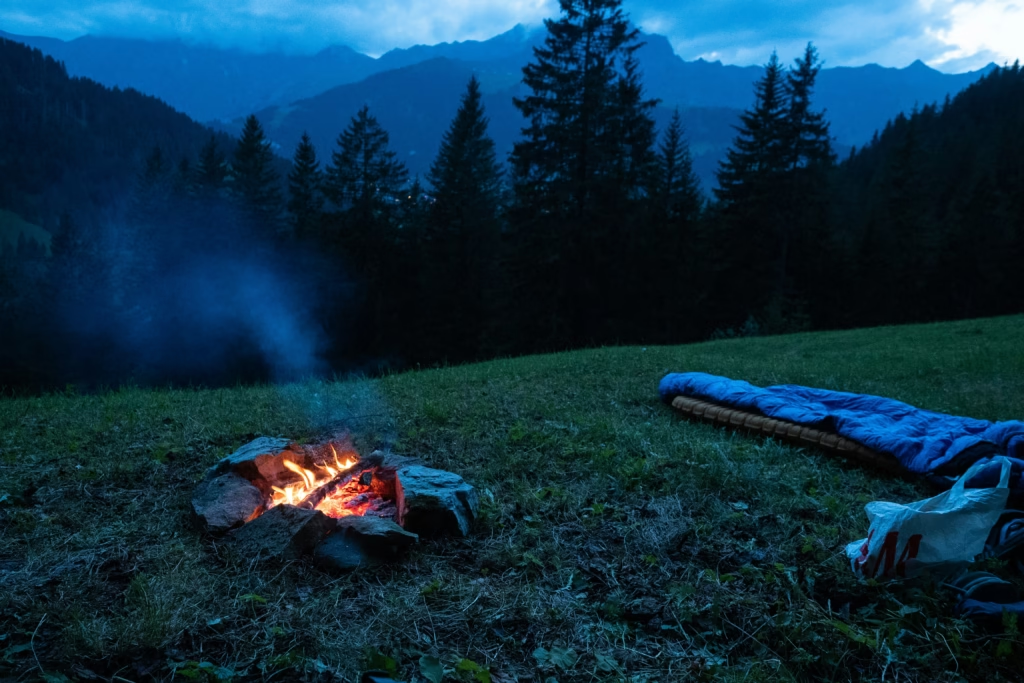
First, you need to know this:
- Check fire restrictions before every trip. What was legal last weekend might be banned this weekend depending on drought conditions and wildfire risk. Regulations change constantly.
- Keep fires small. You’re not trying to signal rescue aircraft, you’re cooking dinner or staying warm.
- Watch the wind. If it’s gusty, skip the fire. Wind carries embers, and that’s how accidental wildfires start.
- Have water right next to the fire, not back at your tent, where it’s useless. Full bucket or multiple bottles within reach.
- Actually extinguish the fire completely. Drown it with water, stir everything with a stick, drown it again, keep going until you can put your bare hand over the ashes without feeling heat. CAL FIRE data shows escaped campfires cause thousands of acres of damage every year, and most of those people probably thought their fire was out.
Fire building is mostly about patience. Gather everything first. Tinder catches the spark, so dry leaves, bark shavings, dryer lint, if you brought some. Kindling keeps the flame going once it catches, pencil-thin sticks working up to thumb-thick. Fuel is the bigger stuff that actually burns for a while, branches about as thick as your forearm.
The classic teepee structure works because it lets air flow up through the center while the flames climb the kindling. Arrange your smaller sticks in a cone, leave gaps for airflow, and light the tinder at the base.
The main mistake people make is starting the fire and then realizing they don’t have enough wood, which means leaving it unattended to go scrounge around in the dark. Collect twice what you think you need before you strike a match.
Basic First Aid and Emergency Response

Most camping injuries are small and annoying rather than serious. Blisters, scrapes, minor burns, rolled ankles. You can handle all of these at camp with a basic kit.
But make sure you know when something is beyond your kit. You can treat minor stuff in camp, but anything involving serious pain, inability to put weight on a limb, signs of infection spreading, trouble breathing, or someone acting confused needs actual medical care.
Call 911 if you have signal, activate your PLB or satellite communicator if you don’t. If the injury is bad, be careful about moving the person since you can make things worse without proper training. Sometimes waiting for rescue is the smarter call.
Weather Readiness and Hypothermia Prevention
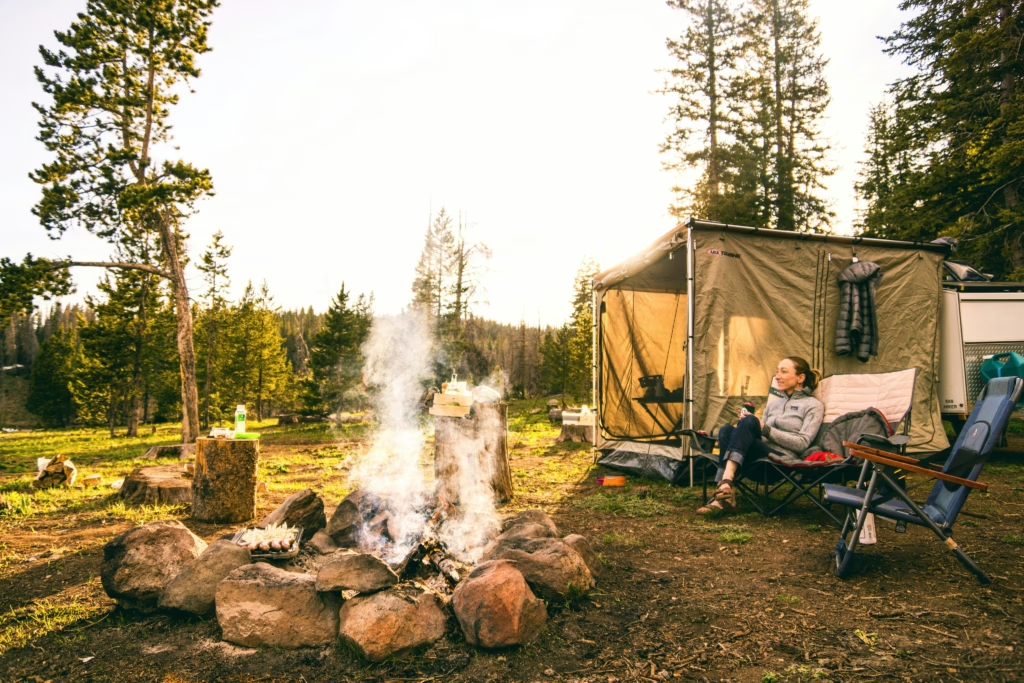
Check forecasts starting about a week out, then keep watching once you’re there. The National Weather Service beats your phone app for backcountry accuracy by a lot.
What you’re really looking for: overnight lows more than daytime highs, wind speed (this changes how cold it actually feels and whether your tent stays upright), chance of precipitation, UV index if you’re gaining elevation.
When it comes to hypothermia, you don’t need freezing temps. Wet clothes and 50°F10°C with a breeze can tank your core temperature faster than you’d believe. And, the scary part is that hypothermia messes with your judgment first, so victims are often the last to realize they’re in trouble. They’ll insist they’re fine while shivering uncontrollably, slurring words, stumbling.
The fix is prevention. Stay dry. If you get wet, change immediately. Keep eating because digestion produces heat. Hot drinks help. Make sure your sleep system actually matches the conditions you’re sleeping in.
Safety for Solo Female Campers
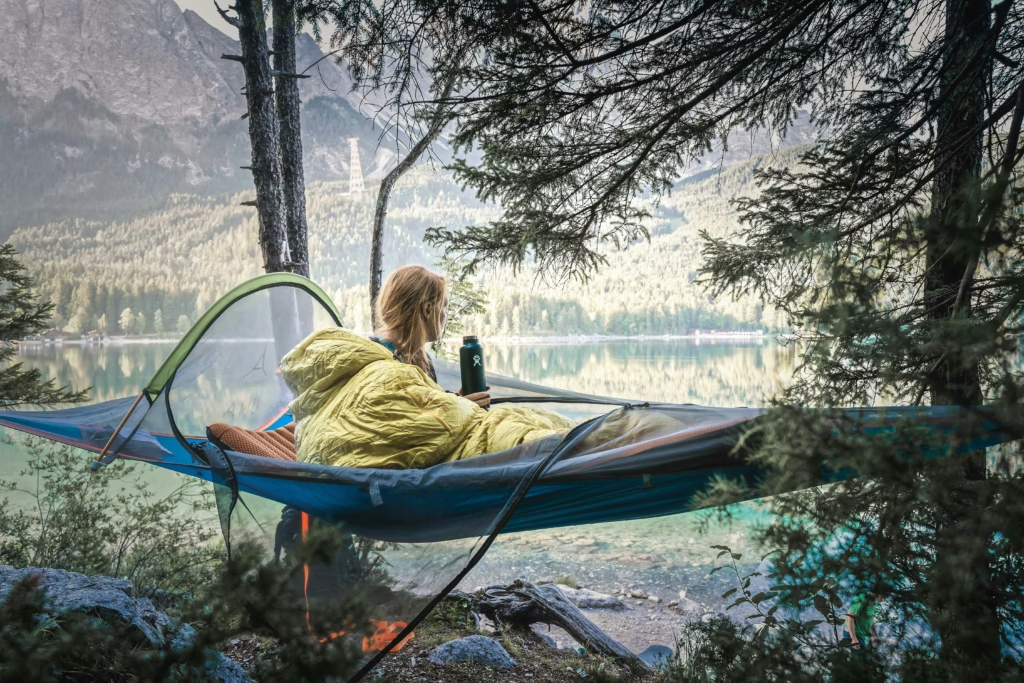
Nobody writes about the part where you’re lying in your tent at 9 PM, wondering if that sound was a person or a deer or your own heartbeat echoing off the rain fly. The generic advice assumes you’re worried about bears, but that’s not what keeps most of us ladies staring at the ceiling.
Site selection matters differently when you’re a solo female camper. I look for other campers nearby but not too close, cell service when possible, ranger stations within a reasonable distance in case something actually goes wrong.
Camping for Women says trust your instincts, and they’re right on that one. I’ve driven away from sites that looked fine on paper because something felt off, and I’ve never once regretted leaving.
Tell someone where you’re going, and be specific about it. Campground name, site number, dates, what time to start calling if you go silent.
A Garmin inReach costs $300-400 and lets you text from the middle of nowhere, which, honestly, I should have bought years earlier than I did.
Camping with Dogs
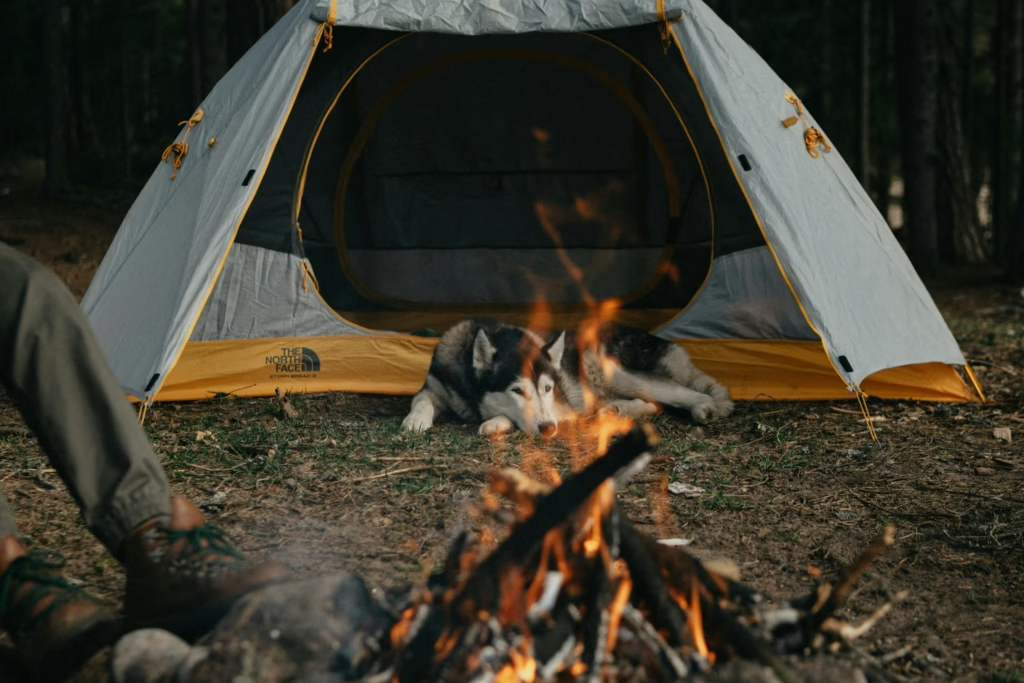
My dog’s first camping trip, I made every mistake. Forgot her normal food and grabbed some random brand at a gas station, which meant she had digestive issues all weekend. Didn’t bring enough water. Didn’t think about ticks until I found three buried in her fur when we got home.
Now I know better. Vet visit before any big trip, make sure vaccinations are current, and get an honest read on whether your dog can actually handle the miles you’re planning. Some dogs look ready for anything when you grab the leash, but gas out after a mile.
Most campgrounds want proof of rabies vaccination, and a lot have breed restrictions or extra fees, so check before you’re arguing with a ranger at the entrance.
I pack way more water than seems necessary because dogs burn through it fast when they’re panting. Her regular food, her normal bowl, and a blanket that smells like home. Tweezers for ticks. I learned that one the hard way.
Getting Started
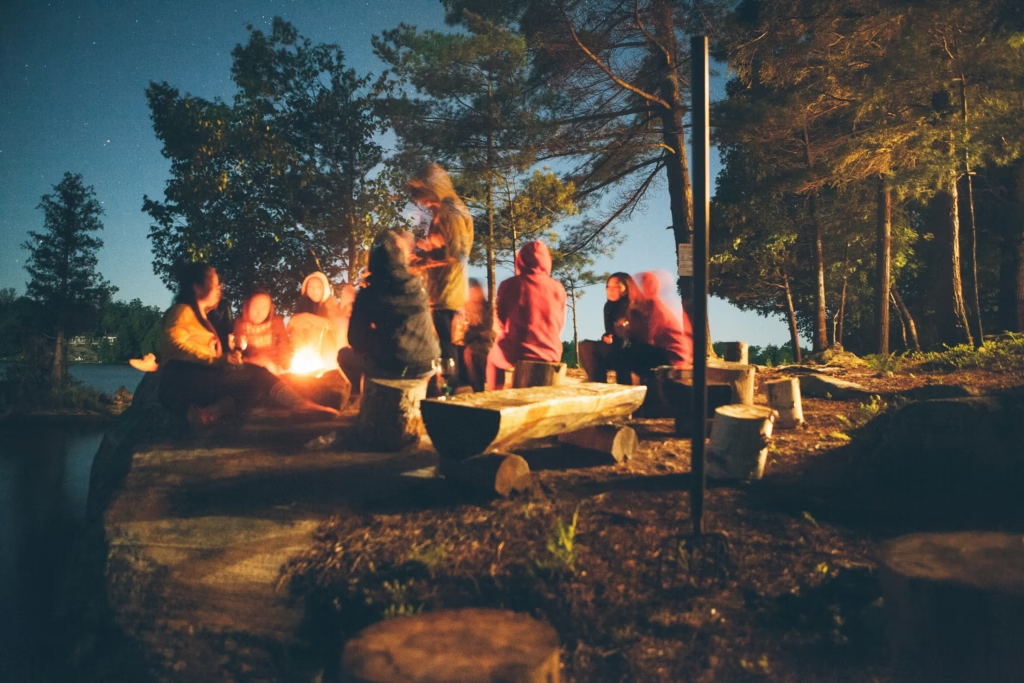
Your first trip won’t be perfect. You’ll forget something, pick the wrong spot, burn dinner, lie awake at 2 AM wondering what that sound was. This is fine. Everyone’s first trip is a little rough. By your second or third, you’ll have figured out what actually matters and what you were worried about for no reason.
You don’t need perfect gear or expert skills. You just need to go. One night at an established campground, somewhere close to home. See what you like, see what you’d change. Build from there, do some travel journaling – it helps getting to know yourself as a camper.
I’ll keep adding to OutdoorAdept as I explore more, gear reviews, skill guides, and trip ideas. This is just where you start.
Frequently Asked Questions
What should I do if it rains during my camping trip?
If it rains during your camping trip, make sure your rain fly is on right, keep clothes in dry bags, change out of wet layers before you get in your sleeping bag. Bring cards. Rain days are slower, but they’re not ruined days.
Best time of year to go camping is late spring through early fall for most people. I like shoulder seasons, May or September, fewer crowds, and the temperatures are easier to sleep in.
Camping Checklist
Print this out, check things off as they go in the bag. Add your own stuff at the bottom.
Shelter & Sleep
☐ Inflatable camping tent or glamping tent
☐ Footprint or ground tarp
☐ Sleeping bag
☐ Sleeping pad
☐ Pillow (or stuff sack with clothes)
☐ Extra blanket for cold nights
☐ Tent heater for winter camping
☐ Camping sofa
Clothing
☐ Base layers (wool or synthetic, not cotton)
☐ Mid layer (fleece or down jacket)
☐ Rain jacket
☐ Hiking pants/shorts
☐ Hiking boots (broken in)
☐ Camp shoes (sandals or slip-ons)
☐ Wool or synthetic socks (2-3 pairs)
☐ Hat for sun
☐ Warm hat for cold nights
☐ Gloves
☐ Pajamas or sleep clothes
Cooking & Food
☐ Camp stove
☐ Fuel (enough for all meals plus extra)
☐ Lighter and backup lighter
☐ Fire starter
☐ Pot and pan
☐ Camping kettle
☐ Utensils (spatula, spoon)
☐ Bowl, plate, mug
☐ Fork, spoon, knife
☐ Cooler with ice (if bringing perishables)
☐ Water bottles or reservoir
☐ Water filter or treatment
☐ Food (all meals planned out, including freeze dried food)
☐ Snacks (nuts, trail mix, jerky, chocolate)
☐ Coffee/tea and hot cocoa
☐ Bear canister or bear bag with rope
☐ Trash bags
☐ Biodegradable soap
☐ Sponge or scrubber
Safety & First Aid
☐ First aid kit
☐ Blister prevention tape
☐ Antibiotic ointment
☐ Pain relievers (ibuprofen, etc.)
☐ Tweezers (for ticks and splinters)
☐ Whistle
☐ Emergency shelter or space blanket
☐ Sunscreen
☐ Bug spray
☐ Any personal medications
Navigation & Tools
☐ Map of the area
☐ Compass
☐ Phone (and backup battery)
☐ Headlamp
☐ Extra batteries
☐ Knife or multi-tool
☐ Duct tape (wrapped around water bottle)
☐ Paracord or rope
Personal Items
☐ Toothbrush and toothpaste
☐ Dry shampoo
☐ Hand sanitizer
☐ Toilet paper in ziplock bag
☐ Trowel (for digging catholes)
☐ Body wipes
☐ Lip balm with SPF
☐ Sunglasses
☐ Small towel
☐ Book, cards, or journal
☐ Camera
Camp Comfort (Optional)
☐ Camp chair
☐ Lantern
☐ Tarp for shade or extra rain cover
☐ Hammock
☐ Camp table
☐ Portable toilet
Dog Gear (If Applicable)
☐ Dog food (regular brand, not new)
☐ Collapsible water bowl
☐ Extra water for dog
☐ Leash
☐ Dog airbed or thermal blanket
☐ Waste bags
☐ Dog first aid (tweezers, booties)
☐ Vaccination records
Your Additions
☐ _________________________________
☐ _________________________________
☐ _________________________________
☐ _________________________________
☐ _________________________________
☐ _________________________________
☐ _________________________________
☐ _________________________________