
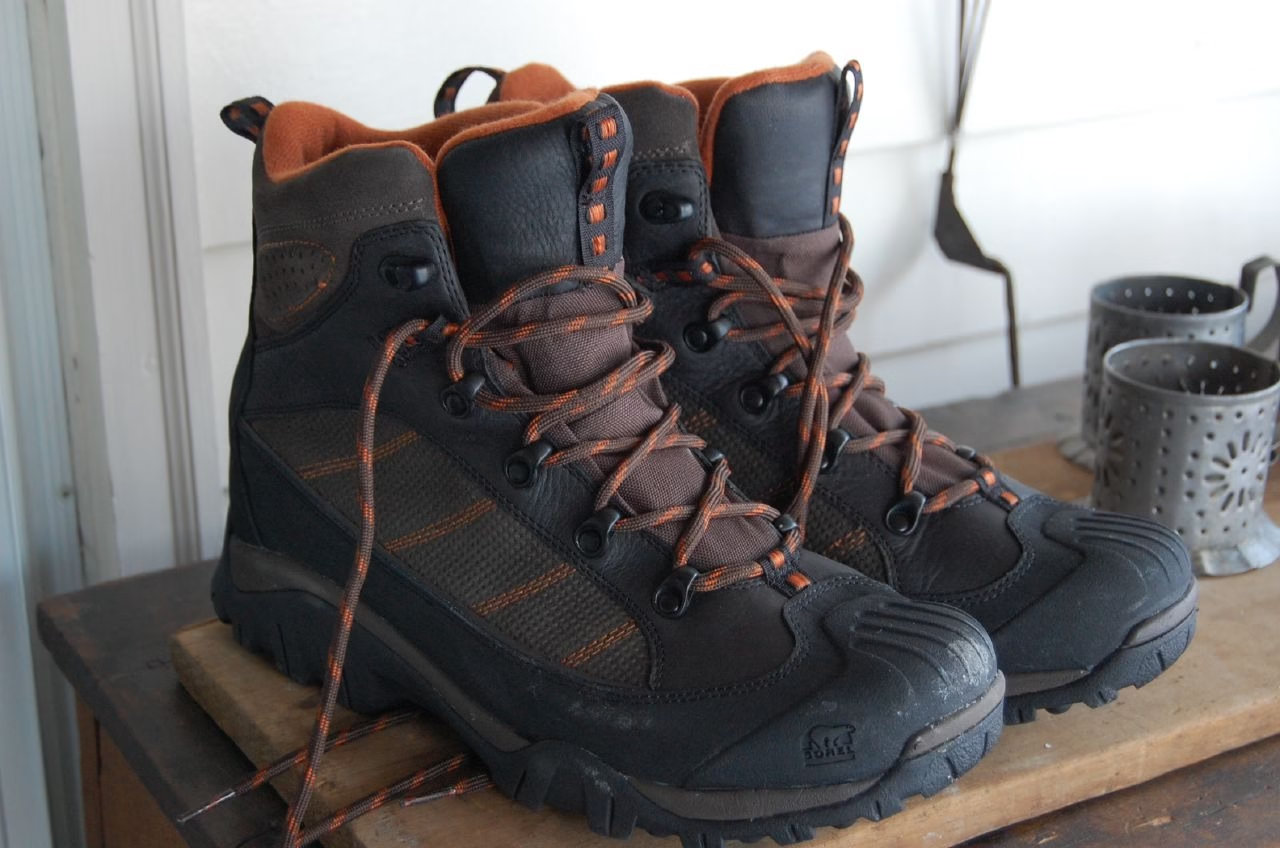
Hiking is great year-round. However, when winter arrives, you need to change your gear to stay warm and shielded from the cold.
Winter hiking in 2026 demands more than just a waterproof shell; it requires advanced thermal management that can handle fluctuating freezing cycles. After several seasons of navigating ice-covered ridges and deep powder, we have refined our selection to focus on boots that maintain their loft and warmth even after heavy use.
This updated guide highlights the footwear that has proven most reliable for keeping your feet dry and warm during the harshest 2026 winter conditions.
The Verdict – Our Recommendation
Its performance on frozen terrain during our latest 2026 field tests confirms that it still provides the best balance of warmth and traction for serious winter enthusiasts.

Of all the best winter hiking boots, my favorite was the KEEN Revel 4 Mid-Height Snow Boot. KEEN consistently produces high-quality boots and stands behind their products.
I love its wide toe box, which comfortably fits my mid-weight wool socks. The waterproof, breathable membrane was a bonus, and my feet never felt sweaty wearing them.
To pinpoint the top 10 winter hiking boots, we evaluated 20 pairs across various locations in the United States and Europe. Each pair was tested on diverse terrains such as flat, rocky, muddy, and gravel surfaces. We assessed their performance in different weather conditions, focusing on waterproofing in rain, insulation in snow, and overall temperature management. Our team conducted multi-day tests, complemented by assessments from independent experts, to understand the boots’ break-in periods. The boots were rated based on temperature regulation, insulation, traction, waterproofing, cuff design, outsole quality, and lug effectiveness. After aggregating the average scores, we also factored in external feedback and warranty information for our final recommendations.
EDITOR’S CHOICE
KEEN Revel 4
#2ND BEST CHOICE
Oboz Bridger Mid B-dry (insulated)

#3RD BEST CHOICE
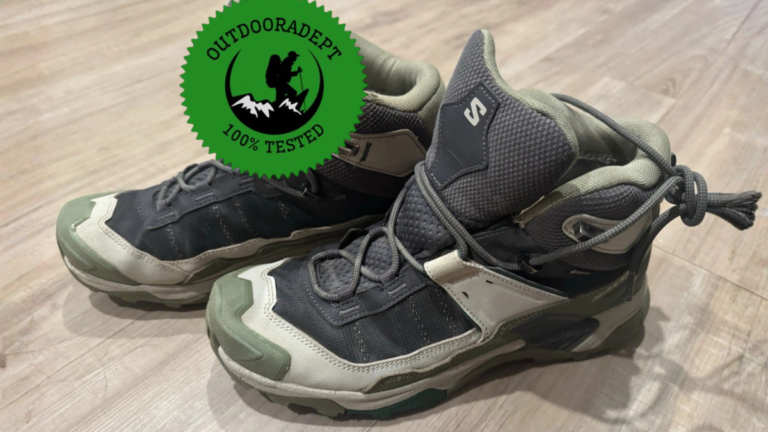
Salomon Toundra Pro

Our Top Recommended Winter Hiking Boots
1) KEEN Revel 4 Mid-Height Snow Boot
200g of insulation inside protects from the weather up to -25°F.-32°C. The best thing about the insulation is that it’s made of bamboo, so it’s very lightweight and doesn’t add extra bulk.
KEEN has built a strong reputation for crafting high-quality winter hiking boots and outdoor footwear, and their KEEN Revel IV winter boots definitely live up to that reputation.
These boots are fully equipped to keep your feet warm and dry during winter hikes. They are also designed to pair effortlessly with most hiking microspikes.
From my experience, KEEN footwear generally features a wider toe box compared to other brands. I really value this in the winter months because it provides ample space for thick socks.
This extra room prevents the socks from bunching up or rubbing uncomfortably around your toes.
PROS
CONS
2) Oboz Bridger Mid (Insulated) B-Dry Hiking Boot
Their insulation keeps your feet feeling great in harsh temperatures, and they’re fully waterproof.
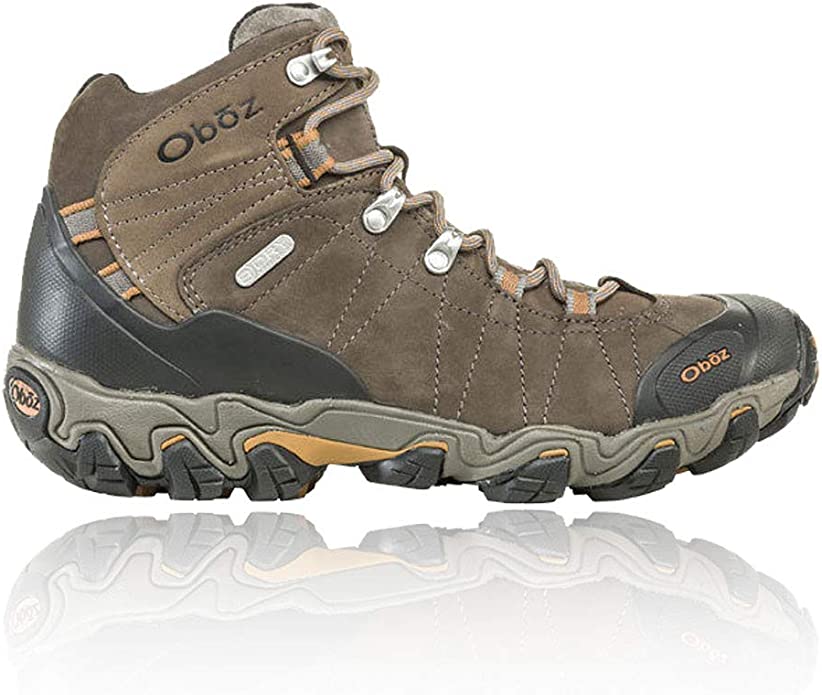
The Oboz Bridger Mid B-Dry Hiking Boot is very durable and has an outsole that provides excellent traction on cold surfaces. These PAC boots also have great arch support, which prevents pain and injury.
I find that this brand tends to run a bit on the smaller side, so I went with a half a size bigger than normal, and they worked out well, even when paired with thick wool socks. I recommend reading the reviews on sizing before making the purchase.
PROS
CONS
3) Salomon Toundra Pro Climasalomon
In addition to having waterproof protection, the inside of the PU-leather boot has Aerogel insulation, which will keep your feet toasty up to -40°F,-40°C, making them some of the best winter shoes you can find.
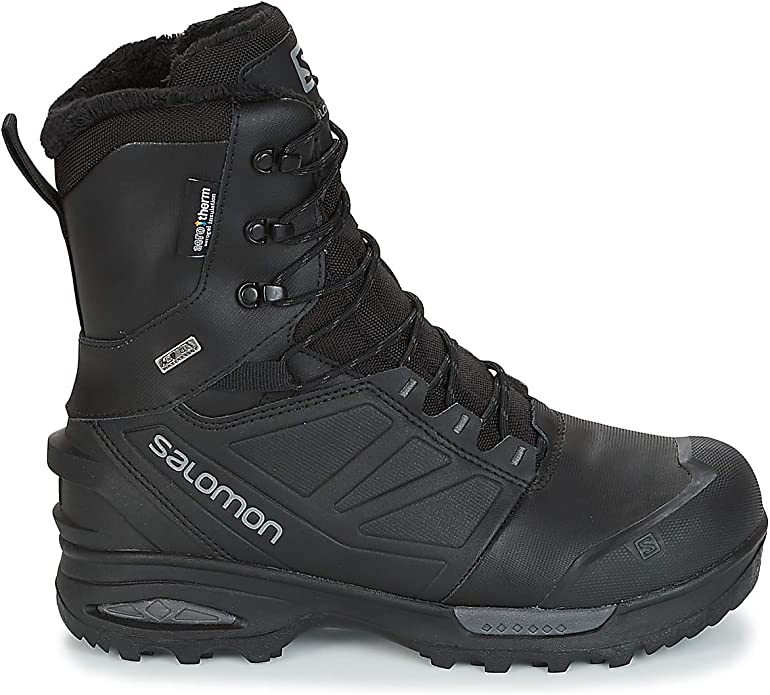
Salomon’s winter hiking boots are top-notch for women and men, providing necessary protection and style. They’re great for shock absorption and feel light.
While I’d like more colors than just black, their great performance makes up for the lack of variety.
PROS
CONS
4) Merrell Thermo Chill 2 Mid Waterproof Snow Boot
The Thermo Chill 2 builds on Merrell’s reputation for accessible winter boots without the premium price tag. 200g of synthetic insulation with a cozy fleece lining. Handles most winter conditions comfortably.
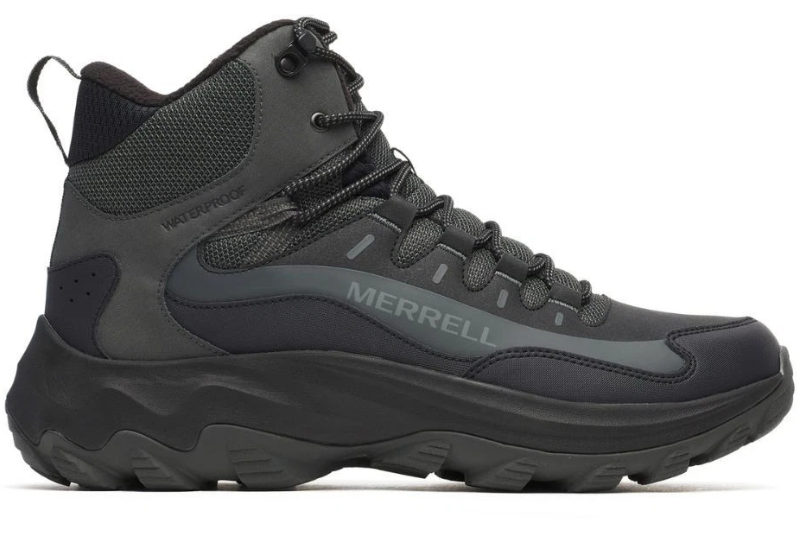
The standout upgrade is the new sticky rubber outsole. Merrell redesigned it with better grip on slick surfaces, which we noticed during testing. Traction felt more confident on icy sidewalks compared to the original.
They also reworked the lacing eyelets for durability, switching to larger leather loops that reduce friction and should last longer than the original nylon fabric eyelets.
These feel more like a hiking boot than a clunky winter boot. I appreciate that. The trade-off is that mid-height cut. At 7.5 inches,19 centimeter, deep powder will find its way in without gaiters. Fine for packed trails and errands. Not ideal for post-holing through fresh snow.
PROS
CONS
5) Salomon Outblast Thinsulate Climasalomon Winter Boots
They have 200g of Thinsulate insulation, which means they can handle even the most extreme conditions as winter rolls in.

Here’s another pair from Salomon that’s sure to keep your feet dry and safeguarded on your hiking adventures. Their design is sleek and modern, resembling a sneaker, yet they’re incredibly effective at keeping your toes warm.
Speaking from my experience, as someone with narrow feet, I found these boots to fit me better than most. But, if you have wider feet, you might find the fit a bit snug since they don’t come in wide sizes. I’d suggest trying them on in person to ensure a comfortable fit.
PROS
CONS
6) Merrell Thermo Kiruna 2 Mid Waterproof
Merrell’s leaning into sustainability here. 200g of Primaloft Gold Eco insulation paired with recycled fleece lining. Warmth doesn’t suffer for it.

The lacing system got an upgrade. Metal hooks and eyelets feel more secure than the previous version, and that bellows tongue does a solid job keeping debris out.
Waterproof full-grain leather upper gives the Merrell Thermo Kiruna 2 a slightly burlier look. Some people love it, others find it a bit work-boot-ish. Molded nylon arch shank and heel air cushion add stability without making them feel clunky.
Tested these on a full-day trudge through fresh snow. Feet stayed warm and dry. The sticky rubber outsole handled mixed terrain without any sketchy moments. Just be cautious on pure ice. They’re good, not miraculous.
PROS
CONS
7) Lowa Renegade Evo GTX Mid Hiking Boot
Lowa updated a legend. The Renegade Evo keeps what worked. Nubuck leather, Gore-Tex waterproofing, that famous out-of-box comfort. But they tightened up the details.
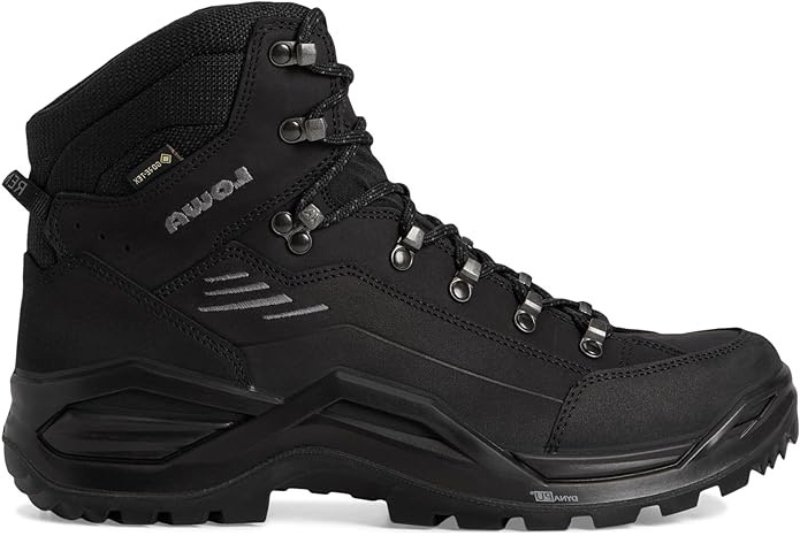
The new Vibram Rene Trac outsole was designed specifically for the Evo. Grip improvement is noticeable on technical terrain. They reduced seams on the upper to minimize pressure points, too.
Fair warning, though. The updated fit runs closer than the original. If you were between sizes before, consider sizing up.
I still appreciate Lowa’s width options. Narrow, regular, wide. That’s rare at this level. The arch support is genuinely great, and the double injection midsole gives you real stability without feeling like you’re hiking in ski boots. People get 5-8 years out of these with heavy use. That’s not nothing.
PROS
CONS
8) Timberland Chocorua Trail Mid Waterproof Hiking Boot
They’re made in the USA of premium full-grain leather that’s also waterproof, with a TimberDry membrane that makes them breathable.

Chocorua Trail winter hiking boots have the popular Timberland brand name and classic style for which the company is well-known.
Although not the warmest boot option out there, these boots are versatile and look good both on and off the rocky trails. They have Primaloft inside to help you stay warm but do not make your feet sweaty or feel overly hot.
After trying these winter boots, I think they’re better for colder conditions but not extremely freezing temperatures. They work well on packed snow, but you’d probably want more of a snow boot for deep snow conditions.
The waterproofing does hold up well, though, and kept me dry during my hiking through muddy terrain.
PROS
CONS
9) Columbia Bugaboot Celsius Plus Snow Boot
Columbia’s latest Bugaboot trades up to Omni-Heat Infinity. Those gold reflective dots claim 40% more warmth than the previous silver lining. Bold claim. But feet do stay comfortable even in single-digit temps.

400g insulation is serious warmth, backed by OutDry waterproofing bonded directly to the shell. No seams for moisture to sneak through. The TechLite+ midsole adds responsive cushioning without extra bulk. There’s a midfoot strap for a locked-in feel that I found useful on uneven terrain.
Testing these on packed snow and mixed conditions, the Adapt Trax outsole held its own. Good grip, confident footing.
Where it gets dicey is pure ice. Middling performance there, so traction devices are worth carrying if that’s your reality. Mid-calf height handles deeper snow well without feeling like you’re wearing moon boots.
PROS
CONS
10) Manfen Thermator Mid-Rise Waterproof Hiking Boots
These pretty standard hiking boots have good traction, cushioned ankle support, and a rubber outsole that holds up against rough terrain and sharp rocks.

The great price of these winter boots makes them hard to pass up if you’re looking for something to wear when hiking in cold conditions.
The toe bumper and heel guard also help to provide additional protection against sharp obstacles on the trail.
I found this pair to be a good waterproof option that kept melted snow and mud away from my thicker socks. However, for the price, I’m not sure how well they’ll hold up in the long term.
PROS
CONS
Winter Hiking Boots Buyer’s Guide

In selecting the best winter hiking boots for our list, we focused on several key features that determine a boot’s effectiveness in winter hikes and cold weather.
Temperature Rating
Choose boots that prevent cold toes, even on the chilliest days. Most winter hiking boots offer sufficient insulation to protect against the cold in sub-zero temperatures. Always verify the manufacturer’s temperature rating to ensure it aligns with your needs.
Insulation Weight
The heavier the insulation, the warmer the boots in freezing conditions. Our recommended winter boots all feature a minimum of 200-gram insulation. Check the insulation weight when buying to keep your toes warm.
Traction
Winter hiking often involves snow and ice. Your boots should offer reliable traction on various surfaces like rocks, dirt, and ice to prevent slipping and potential injuries.
Waterproofing
In winter, waterproof insulated boots are essential. With ice and snow underfoot, and the possibility of melting snow, your feet need to stay dry to avoid frostbite or other hazards. Ensure your boots have a waterproof membrane.
Additionally, consider using a waterproofing spray for added protection.
Cuff
Choose boots with a snug cuff that bridges the gap between your ankle or calf and the boot. This design prevents snow and water from entering, keeping your feet drier and warmer.
Gusseted Tongue
This design resembles a regular boot tongue but is sewn into the sides of the boots. It works similarly to the cuff in preventing water from entering, aiding in keeping your feet dry and protected.
Lugs
Opt for winter hiking boots with aggressive lugs. They enhance grip in winter conditions, offering improved traction on snow and ice, thereby ensuring safer winter hikes.
Outsole
The outsole of your winter hiking boots should also contribute to superior traction on ice, snow, and other frozen terrains. A Vibram sole is commonly found on top-quality winter boots due to its excellent grip on cold surfaces.
Comparison Table
best winter hiking boots
| Boot | Check Price Men | Check Price Women | Insulation |
|---|---|---|---|
| KEEN Revel 4 | Check on Amazon» $190 on REI» | Check on Amazon» $190 on Backcountry» $190 on REI» | KEEN.WARM insulation, -25°F-32°C |
| Oboz Bridger Mid B-Dry | Check on Amazon» $200 on Backcountry» $200 on REI» | Check on Amazon» $200 on Backcountry» $200 on REI» | No, only in insulated versions of this boot |
| Salomon Toundra Pro Climasalomon | $200 on Backcountry» $199 on REI» | $200 on Backcountry» | Aerotherm, -40°F-40°C |
| Merrell Thermo Chill 2 Mid | Check on Amazon» $155 on REI» | Check on Amazon» $155 on REI» | Yes, 200g Thinsulate |
| Salomon Outblast Thinsulate Climasalomon | Check on eBay» | Check on eBay» | Yes, 200g Thinsulate |
| Merrell Thermo Kiruna 2 Mid | Check on Amazon» Check on eBay | Check on Amazon» Check on eBay | Yes, 200g Primaloft Gold Eco |
| Lowa Renegade Evo GTX Mid | Check on Amazon» $265 on Backcountry» $280 on REI» | Check on Amazon» $280 on REI» | No, just GORE-TEX |
| Timberland Chocorua | Check on Amazon» | Check on Amazon» | Yes, Primaloft 200g |
| Columbia Bugaboot Celsius Plus | Check on Amazon» | Check on Amazon» | Yes, 400g Omni-Heat Infinity |
| Manfen Thermator | Check on Amazon» | Check on Amazon» | Yes, 200g Thinsulate |
Do You Need Insulated Boots for Winter Hiking?
Whenever you’re hiking in winter, it’s crucial to wear insulated boots, particularly with ample insulation around the toes. This is key to preventing your toes from freezing during your hike.
In snowy conditions, your focus should be on finding proper snow boots. These are specifically designed to handle the challenges of snow-covered trails.
FAQs
I’d strongly advise against using winter hiking boots in the summer. Their synthetic insulation can make your feet sweat excessively, turning your hike into a rather uncomfortable experience. And trust me, even those with a waterproof breathable membrane might not be the best fit for summer trails.
For winter hikes, a Gore-Tex membrane is essential in your boots for keeping water out. But remember, just Gore-Tex isn’t enough – your boots should also have proper insulation to keep your feet warm.
When you’re picking out winter hiking boots, look for ones that not only provide excellent traction but also keep your feet warm and dry without becoming uncomfortable, even on long walks. I’ve found that both treated leather and synthetic boots work great for winter hiking.
Prices in this article are approximate and updated annually. Check the retailer for current rates.