

Is the Brooks Cascadia 16 still a smart choice in 2026? With newer iterations now on the shelves, the Cascadia 16 has moved into the category of ‘legendary predecessors’. But does it still hold up?
Having tested these trail shoes extensively on the American Discovery Trail, I revisited my notes to see if this specific model remains a viable budget-friendly option for hikers and runners this year. Here is why the Cascadia 16 might still be worth hunting down.
Our Verdict
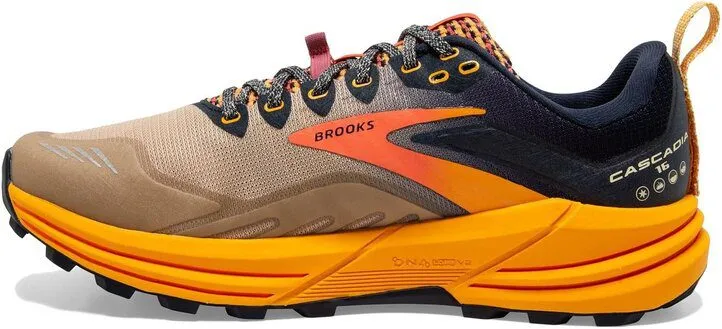
Brooks Cascadia 16
While no longer the newest tech in the Brooks lineup, the Cascadia 16 remains a workhorse. Its DNA Loft v2 midsole and ballistic rock shield offer protection that rivals many 2026 releases, often at a much better price point.
Looking for the newest tech? Check out our in-depth Brooks Cascadia 18 Review.
In recent years, I’ve tried many Brooks running shoes on both gentle and tough trails. It came as no surprise that this model became a winner.
For a trail runner, these shoes are extremely stable. I even hiked mountains in them. Their rugged sole felt up to the challenge, handling more technical terrain than the previous version.
Though not built for winter—it lacks a GTX upper—this version makes up for it with a lightweight design and extra room in the toe box. This makes it a great choice for more intense trail running.
Moreover, the shoe’s cushioning, ithe so called DNA Loft v2 midsole, struck the right balance between responsiveness and underfoot protection.
Though slightly heavier than some other trail shoes, the Cascadia 16’s performance and durability made it a reliable choice.
If you want to learn more about my experience, check out my detailed Brooks Cascadia 16 review below.
To thoroughly review the Brooks Cascadia 16, we conducted extensive tests over various terrains like flat, rocky, muddy, and gravel areas. We evaluated its water resistance in rain and performance in heat. Our team, with external experts, spent considerable time testing the shoe’s break-in period and comfort. We assessed the Cascadia 16 on key aspects including fit, cushioning, tread grip, and breathability. Additionally, we included user feedback and the manufacturer’s warranty in our comprehensive analysis of the shoe.
Highlights
| Feature | Brooks Cascadia 16 |
|---|---|
| Weight | ~10.5 oz (approx. 298 g) for men’s US 9.5; ~8.9 oz (approx. 252 g) for women’s US 8 |
| Water Resistance | Available in both standard and Gore-Tex versions; Gore-Tex offers waterproofing |
| Traction | TrailTack rubber outsole with 5mm lugs; aggressive 3D Hex Lugs design for superior grip |
| Comfort | DNA LOFT v2 midsole provides cushioning; slightly stiffer ride compared to some competitors |
| Adjustability | Traditional lacing system with additional eyelets for a customizable fit |
| Breathability | Engineered mesh upper; Gore-Tex version offers less breathability |
| Durability | Durable synthetic overlays and mesh upper; high-quality rubber outsole |
| Arch Support | Moderate arch support; suitable for neutral to slightly overpronated runners |
| Toe Protection | Reinforced toe bumper and ballistic rock shield for underfoot protection |
PROS
CONS
Things We Tested When We Reviewed Brooks Cascadia 16
1. Traction
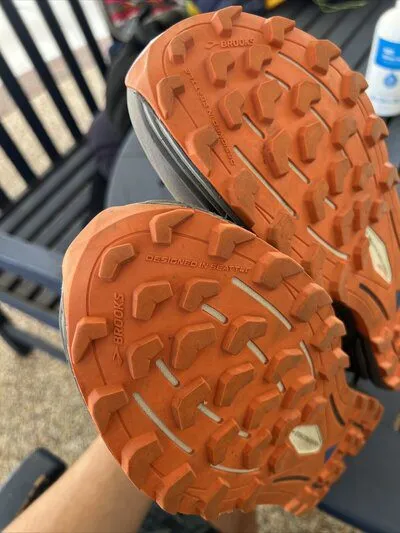
When it comes to traction, the Brooks Cascadia 16 sets the bar high.
During my testing, the multidirectional lugs made of TrailTack rubber held steadfastly to various surfaces, whether it was loose gravel, slippery rocks, or muddy terrain, while the aggressive 3D Hex Lugs design prevented slippage on steep inclines and technical descents.
As with most hiking shoes that have an aggressive lug pattern, the 5mm lugs of the Cascadia 16 gathered mud, so I had to stop and clear them occasionally.
But, compared to its predecessor, this trail shoe showcased an improved traction performance, allowing me to maintain stability and control even in the most demanding conditions.
2. Durability
Having tested previous versions of Brooks Cascadia, I noticed that the 16th iteration maintained the brand’s reputation for durability, if not exceeding it.
The upper material of the Cascadia 16 trail runners is a combination of synthetic overlays and mesh, which not only provides excellent durability but also enhances breathability.
Moreover, the synthetic overlays protect vulnerable areas from abrasion, while the mesh allows for flexibility and breathability without sacrificing durability.
One standout aspect of the durability of the Cascadia 16 is its outsole. Made of high-quality rubber, the outsole exhibited impressive resilience and maintained its grip and traction throughout my testing, even in situations where other good trail runners would have flunked out.
3. Comfort

Right out of the box, this trail runner felt comfortable without requiring an extensive break-in period.
The softer and lighter cushioning system, powered by Brooks’ BioMoGo DNA technology, provided a plush and responsive feel no matter the terrain underfoot [2].
It absorbed shocks and impacts effectively, reducing fatigue and allowing me to hike for extended periods without discomfort.
The padded tongue and heel collar are also notable features that contribute to the overall comfort of the shoe.
Although I’ve heard some fellow hikers saying that the sole is too firm, after wearing these trail running shoes on technical terrain and rocky areas, I think that this is exactly the right level of rigidity a good trail shoe should have to prevent foot soreness.
4. Breathability
During moderate hikes and in mild weather conditions, these trail running shoes did a decent job of preventing excessive heat buildup and maintaining a comfortable internal environment.
Unfortunately, in comparison with some other models in its class, the ventilation system of this shoe could be improved. The upper is covered in a protective TPU film, which increases durability but sacrifices the shoe’s ability to evacuate heat.
In hotter and more humid conditions, I found that the shoes struggled to provide sufficient airflow, resulting in slightly warmer and sweatier feet. This could be a concern for hikers tackling technical trails or those who tend to perspire more heavily.
5. Weight

During my testing, I found the Cascadia 16 to be pleasantly lightweight compared to previous models and many other hiking shoes in its class.
Although specific weights may vary depending on shoe size and configuration, on average, these shoes weigh around 22 pounds and 8 ounces.
I want to highlight that there are ultra-lightweight hiking shoes available on the market that may be even lighter than the Cascadia 16. If your main priority is shedding every possible gram for fast and minimalist hiking, there are alternative options to consider.
Nevertheless, for the majority of hikers who seek a balanced combination of weight and durability, this trail running shoe is a good choice.
6. Waterproofing
While the Cascadia reviewed here lacks the waterproof membrane found in the Gore-Tex version, it offers breathability as a key feature.
In my direct experience with the shoe, I found that its thick woven mesh upper provided some protection in light rain and damp conditions, preventing water from easily entering.
However, when faced with more significant water exposure, such as crossing streams or traversing wet terrain, water was able to seep through the upper material, leading to a certain level of dampness inside the shoe.
Despite this limitation, I observed that the upper material dried relatively quickly, which proved a great feature for multi-day trail runs and long distances.
7. Support

One of the standout support features of the Cascadia 16 is the integrated ballistic rock protection.
This protective layer effectively guards against sharp rocks and other trail hazards, and it allowed me to confidently tackle uneven terrain without worrying about potential discomfort or injuries.
With Brooks’ innovative BioMoGo DNA technology, the midsole cushioning is good but firm, making the shoe feel responsive both on rugged terrain and dirt trails.
Additionally, the well-designed heel cup securely cradled my heel, effectively preventing any unwanted slipping or sliding, further enhancing stability and overall support.
8. Fit and Sizing
I didn’t have to change my usual shoe size when I bought these; they fit well. They’ve got enough space at the front for my wide feet to move around comfortably.
This shoe’s pretty easy-going. It’s got flexible laces that let you easily adjust the fit, not too tight or loose. So, there’s no need to get a bigger size like you might with stiffer hiking boots.
How It Evolved?

The Cascadia 16 established a standard upon its release, improving on the Cascadia 15 with features that runners still appreciate today.
The updated ballistic rock shield strikes a balance between flexibility and rigidity, ensuring a natural and responsive feel while maintaining excellent overall protection.
Additionally, the Cascadia 16 introduces improved fit and sizing options, including a wider toe box for enhanced toe splay and accommodation of wider feet.
The shoe retains the reliable DNA Loft midsole, providing responsiveness, but with softer cushioning for a more comfortable experience, particularly during long runs and rough terrain.
How Does it Compare with Other Products?
La Sportiva Bushido II
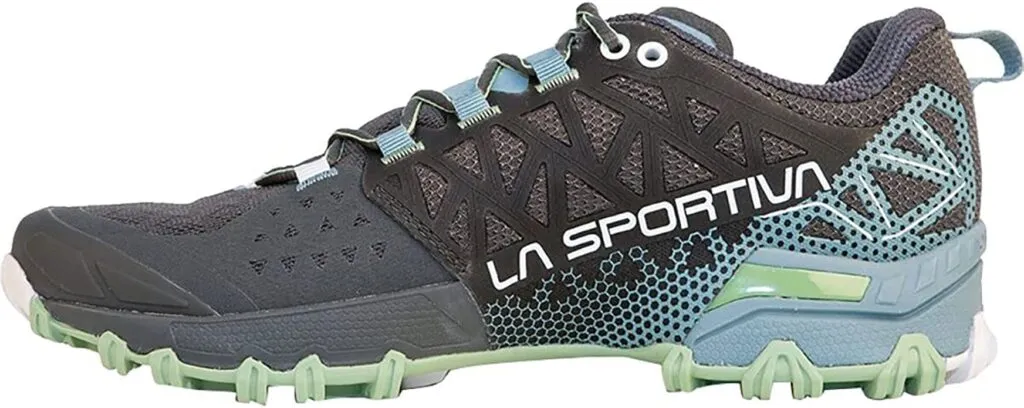
The La Sportiva Bushido II is a rugged trail running shoe designed for technical trail options.
It features a durable outsole made of FriXion XT rubber, offering a good grip on wet and dry surfaces.
The shoe also utilizes a dual-density compressed EVA midsole, providing a good balance between cushioning softness and responsiveness.
In comparison to the Brooks Cascadia, the Bushido II, retailing at $150, offers a more aggressive outsole with its Vibram rubber, providing great traction on challenging trails.
In 2026, the distinction holds true. The Bushido II is a precise tool for technical scrambling. The Cascadia 16 is a comfortable cruiser for long miles. If you want ground feel, go Sportiva. If you want cushion, go Brooks.
Nike Wildhorse 7

Priced at <$100, the Wildhorse 7 offers a lighter-weight design than Cascadia, making it a suitable option for runners who prioritize speed.
Its outsole features multidirectional lugs, offering reliable traction on different terrain options, and the shoe incorporates Nike’s React foam cushioning technology, providing moderate softness.
The Cascadia 16, however, delivers more substantial cushioning and protection, which can be beneficial for longer distances or rougher trails.
The Wildhorse 7 offers soft React foam, but the Cascadia 16 wins on stability. If you are hiking with a heavy pack in 2026, the stable platform of the Cascadia is safer than the squishy feel of the Nike.
Saucony Peregrine 13

The Saucony Peregrine 13 is a versatile trail running shoe that currently costs <$100, while the Cascadia 16 is priced at $150.
It is renowned for its PWRTRAC rubber sole, which delivers excellent traction and durability, while the thick midsole, powered by PWRRUN technology, offers a softer ride than most shoes in its class.
Besides the durable mesh upper, this protective shoe also includes a rock plate for extra safeguarding on challenging trails.
Fast forward to 2026: both models are now considered classics. The Peregrine 13 is lighter and faster, making it better for short, speedy runs. The Cascadia 16 is heavier but offers significantly more protection and durability for long-distance thru-hiking.
Get an in-depth look at this product by reading our review of Saucony Peregrine 13.
Where Brooks Cascadia 16 Performs Better?

The Brooks Cascadia 16 truly excels in challenging terrains and demanding conditions.
These shoes are ideal for hikers who enjoy tackling rugged trails, rocky surfaces, and uneven terrain.
They provide excellent traction, stability, and support, allowing you to confidently navigate steep ascents and descents.
The Cascadia 16’s protective features, such as the ballistic rock plate, make it a great choice for trails with sharp rocks or debris.
Additionally, the cushioning and responsiveness of the shoe’s midsole ensure comfort during long-distance hikes.
Where Brooks Cascadia 16 Falls Short in Performance?
While the Brooks Cascadia 16 excels in many areas, it does have a few shortcomings. One area where it falls short is in its breathability. During particularly hot and humid hikes, I noticed that my feet tended to get warmer and sweatier than I would have liked.
However, this issue can be mitigated by wearing moisture-wicking socks and properly ventilating the trail shoe when taking breaks.
Another aspect that could be improved is the shoe’s weight. The Cascadia 16 is slightly heavier than some other hiking shoes on the market, which may be a consideration for hikers prioritizing lightweight footwear.
Its sole is also fairly thick, so it is not the best choice for hikers looking for a more pronounced ground feel.
Where to Buy?
| WHERE TO BUY? | FOR MEN | FOR WOMEN |
|---|---|---|
| REI | N/A | N/A |
| Amazon | See Pricing» | See Pricing» |
| Backcountry | N/A | N/A |
| eBay | See Pricing» | See Pricing» |
FAQs
The Brooks Cascadia 16 is not completely waterproof, but it offers some water resistance due to its materials and construction. It can handle light rain and wet surfaces, but it’s not designed for full submersion or heavy downpours.
It is generally recommended to go with your regular size when choosing the Brooks Cascadia 16. The shoe has a true-to-size fit, providing ample room in the toe box and a secure fit in the heel.
Yes, the Brooks Cascadia can be used for road running. However, keep in mind that the shoe’s rugged outsole, designed for off-road traction, may not provide the same level of responsiveness and grip on the pavement as dedicated road shoes.
Prices in this article are approximate and updated annually. Check the retailer for current rates.