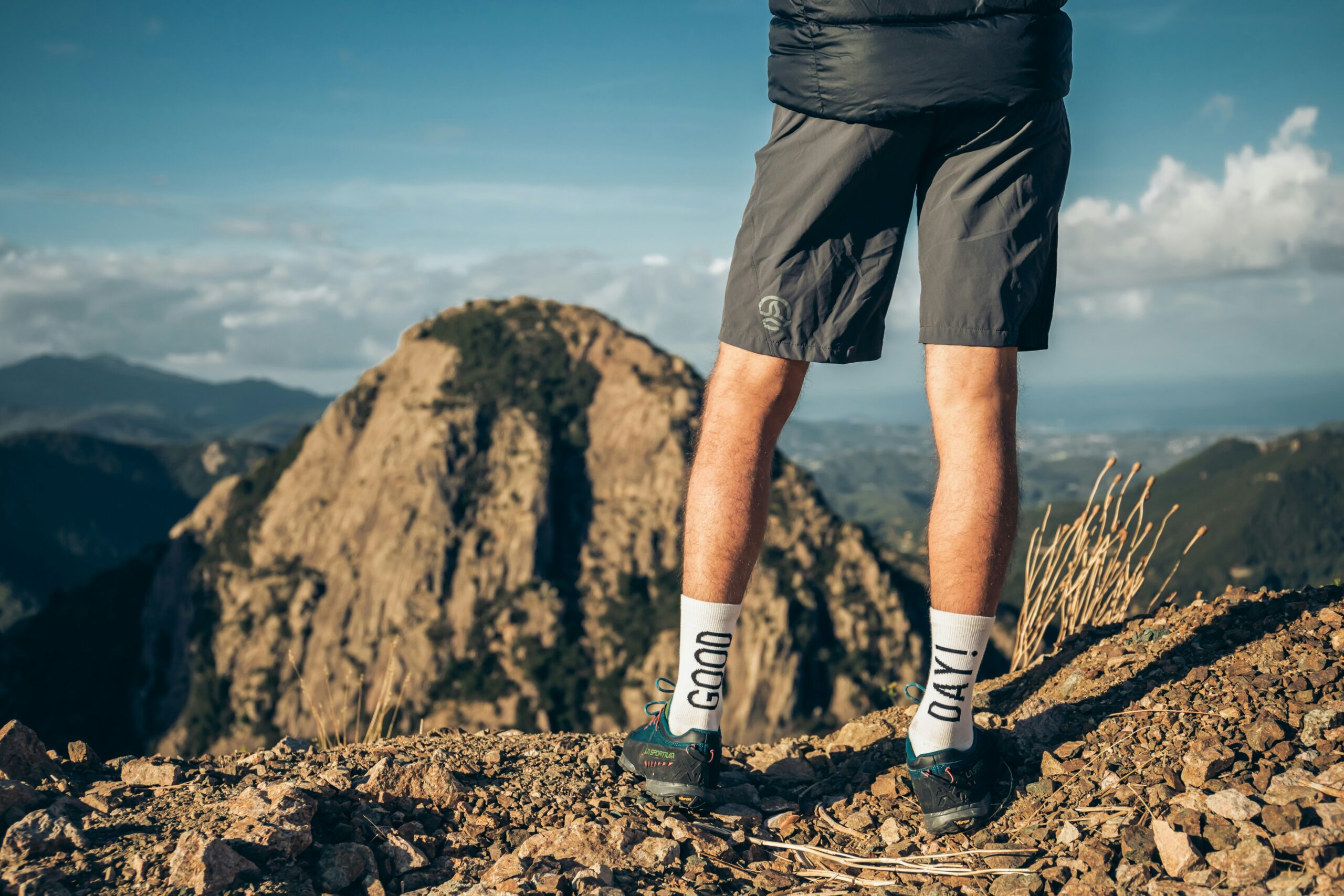

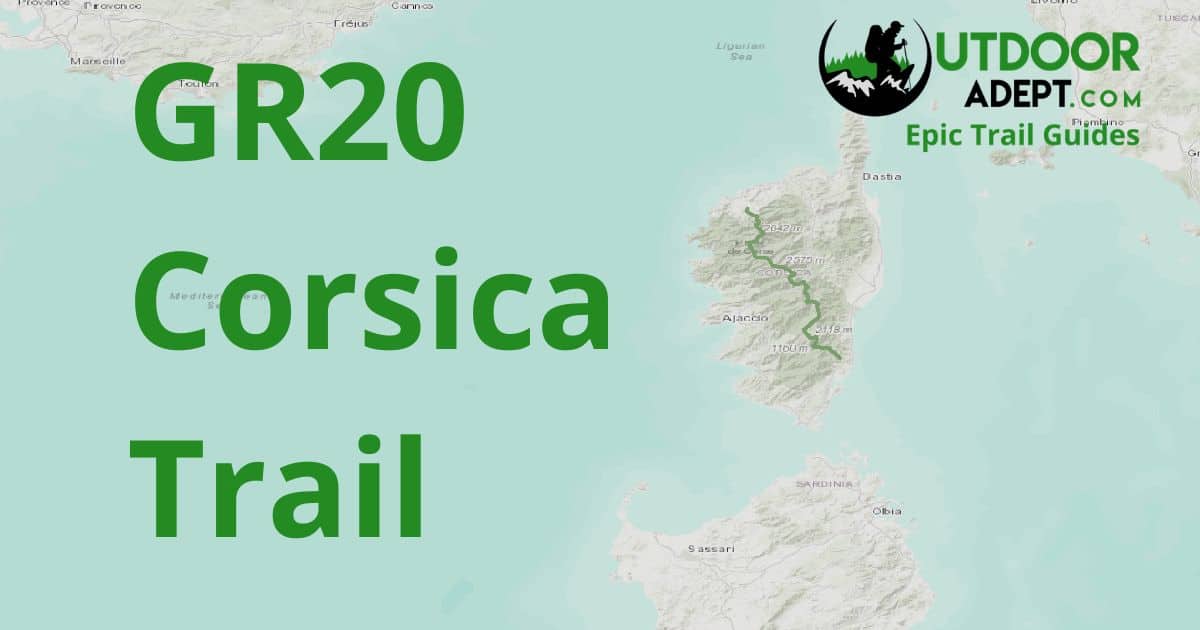
Spent years hiking the Alps and Pyrenees before I finally tackled the GR20. It was always sitting there on my list, but something else always came up.
You hear people say it’s Europe’s hardest long-distance trail. After doing it, yeah, they’re right. It’s legitimately hard. Not the kind of hard where you’re just tired at the end of the day. The kind where you’re questioning your decisions on hour six of a stage.
But it’s doable if you train properly and take it seriously. Don’t show up thinking your weekend hikes prepared you.
This GR20 hike guide breaks down what I learned out there and what I wish I’d known beforehand. Covers timing, logistics, gear, the practical stuff everyone wants to know.
GR20 Trail Stats
| Distance | 112 miles (180 km) |
|---|---|
| Elevation | 39,370 feet (12,000 meters) total climbing |
| Time | 12 to 16 days |
| Stages | 16 stages with refuges |
| Season | Mid June to late September |
| Budget | $1200 to $1,400 (excluding gear) |
Best Time to Hike the GR20

The refuges open mid-June and close late September. Outside that window, you’re looking at unstaffed huts and potential snow on the high passes.
July and August are the peak season. Expect full refuges, advance booking requirements, and crowds at water sources. Late June and September offer better conditions with fewer people. I went in early September and never had to book ahead.
Early June is risky. Snow can linger on Monte Cinto and Col de Vergio into July. Check PNRC trail conditions before committing to early-season dates.
GR20 North to South or South to North?

Most hikers go north to south, Calenzana trailhead to Conca. The northern section between Calenzana and Vizzavona contains the technical terrain. Chains, scrambling, exposed ridges. Tackling it with fresh legs makes sense.
South to north works if you’re hiking in early June (gives northern snow more time to melt) or want to build fitness on easier southern stages first. Either direction covers the same ground. I went north to south and the southern half felt like a reward after the demanding north.
How Long to Hike the GR20?
The GR20 has 16 official stages. Most guides recommend 16 days. I did it in 14 by combining a few shorter stages, which felt slightly rushed by the end. In hindsight, 15 would have been better.
Fit hikers comfortable with long days can finish in 10 to 12. Trail runners do it in under a week. I met a guy who knocked it out in 4 days, though that’s more racing than hiking at that point.
Build in a buffer day. I got pinned down by a storm at one of the refuges and was glad I had schedule flexibility. Also, there are these cold clear swimming holes along the trail. You want time to enjoy them.
GR20 Difficulty and Fitness Requirements

The GR20 is harder than most European trails. The north has Class 3-4 scrambling with chains, steep granite where you need your hands, and loose scree going down.
Monte Cinto (Pointe des Éboulis, 8,553 feet2,607 meters) is the official route now. They closed the original Cirque de la Solitude permanently after someone died in a rockfall in 2015. Still plenty of exposed sections though.
You need to handle 6-8 hour days on technical terrain with 18-22 lbs8-10 kg on your back. If you haven’t done multi-day treks with scrambling before, go do that first. Tour du Mont Blanc or the GR10 in the Pyrenees are solid prep.
The difficulty isn’t any single day. It’s the accumulation of consecutive hard days. Your body needs to handle sustained output without breaking down. Knee issues and blisters end more GR20 attempts than fitness does.
GR20 Cost Breakdown
Refuge bunks run $17 to $22 per night. Bivouac spots (tent platforms) are $9 to $13. Dinner at refuges costs $15 to $19, breakfast $8 to $10. Half-board (bunk plus dinner and breakfast) runs $41 to $48. Buying meals beats carrying two weeks of food.
My 14-day budget came to $1,000 on trail. Add flights ($160 to $215 from mainland Europe), shuttle from Calvi or Bastia to Calenzana ($38), and transport from Conca back to Bastia or Porto-Vecchio ($43 to $54). Total trip cost runs $1,200 to $1,400 excluding gear.
Reserve refuges through the PNRC website for July and August. Some fill up two to three weeks out. Vizzavona (the midpoint with train access) has restaurants and a small shop for resupply.
GR20 Gear Recommendations
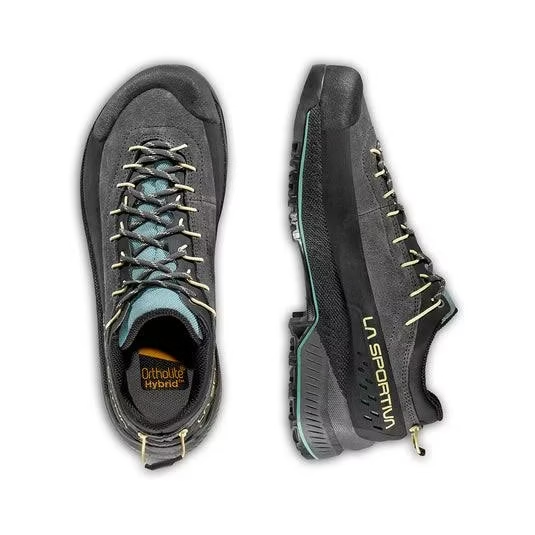
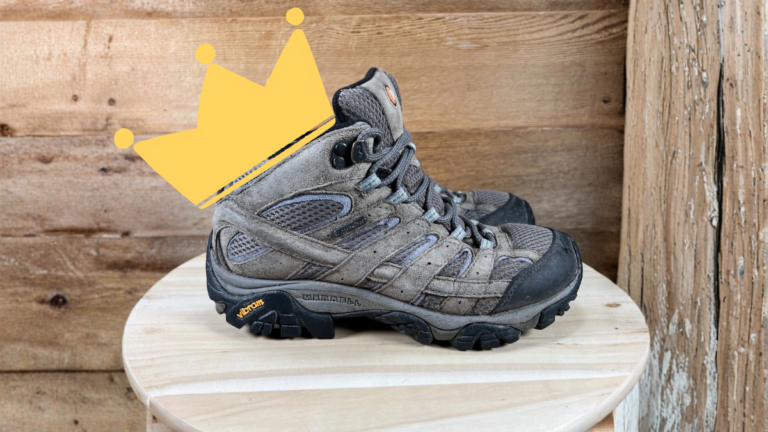
Footwear is the most important choice. The granite terrain destroys soft trail runners. You need stiff soles with aggressive traction. Approach shoes work well. I wore La Sportiva TX4s. Scarpa Crux and Salewa Wildfire are also popular on trail.
Bring a sleeping bag rated to at least 40°F.4°C. Refuges provide mattresses but no bedding. I ran cold a few nights at higher huts and wished I’d gone warmer. A silk liner adds a few degrees if you’re cutting weight.
Trekking poles are essential for the rocky descents. Rain shell for afternoon storms. Helmet optional but worth considering for the northern scrambles where loose rock is common. Water capacity of 0.5 gallons2 liters minimum. Sources exist but can be spaced 3 to 4 hours apart in dry conditions.
Is the GR20 Worth It?

GR20’s legit. Top 3 treks for me easily.
Corsican mountains are different. Sharp granite peaks, blue alpine lakes, scrubby plants everywhere, ocean in the distance. You’re basically rock scrambling on a normal hiking trail. Places that would have cables and ladders elsewhere? Just trail here.
The terrain variety keeps it interesting too. One day you’re exploring walking trails through pine forests, having the best hike of your life, next day you’re exposed on ridgelines. Weather can turn fast up there. I’ve seen it go from clear skies to fog and rain in an hour.
Real talk though: Vizzavona is the dropout point. Injuries, gear failures, people who didn’t know what they signed up for. Your knees take a beating on the descents especially. And if your boots aren’t broken in, you’re gonna have a bad time.
Come prepared or don’t come. But if you do it right, the GR20 sticks with you. Not many trails push you that hard while looking that good.
Enjoyed reading this guide? You may also like:
FAQ
I wouldn’t recommend it. You need to know how your body handles consecutive long days on technical terrain. Get a few multi-day treks under your belt first.
Officially no. You’re allowed to bivouac near refuges between 7pm and 9am only. I saw people ignore this but wouldn’t recommend it.
The stretch from Ascu Stagnu to Castel di Vergio (stages 4 to 6) including the Monte Cinto. Most technical terrain is concentrated here.