
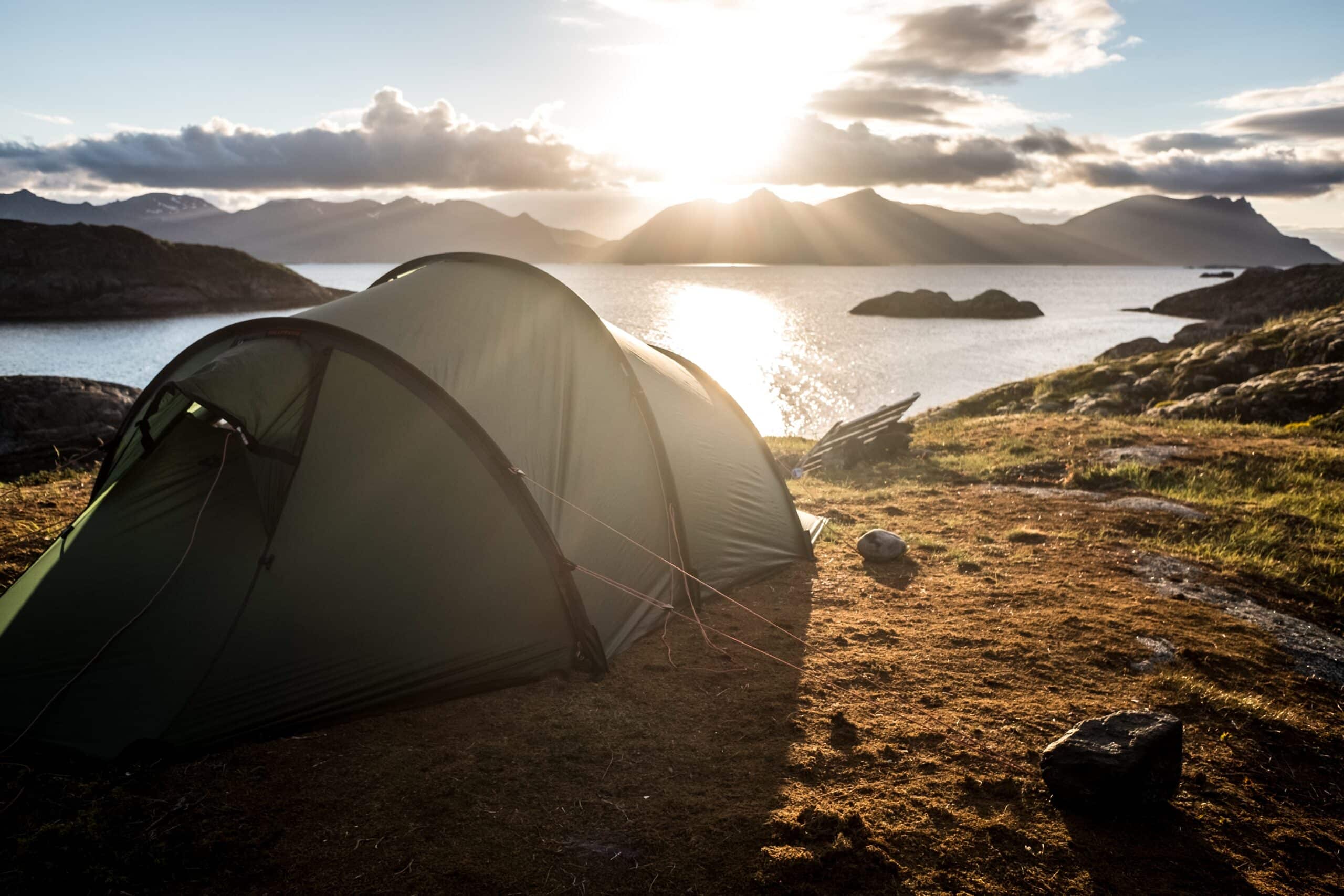
I borrowed a tent from a coworker for my first camping trip. She said setup takes ten minutes. Forty-five minutes later, I was standing in a field staring at poles, halfway through a YouTube tutorial that assumed I already knew what a guyline was.
The rain fly went on backwards. Figured that out at 2 AM when water pooled on top of the tent instead of running off.
It’s been a while since. Many thunderstorms, sub-zero starts, one spectacularly buggy July night in the Făgăraș where I sat in my tent eating cold bread and wondering what exactly I was doing with my life.
But I keep booking campsites. And so are a lot of other people. KOA’s 2025 Outdoor Hospitality Report found 11 million more households camping in 2024 than in 2019, many of them starting from zero.
If that’s you, dreaming of starry skies while trying to figure out how to stay warm and fed through a full night outside, I have some useful advice.
Pick Somewhere Boring
Established campground. Bathrooms, running water, other campers around. Thirty minutes from home, tops. If your sleeping pad deflates at midnight (mine did, trip one), you can be back in your own bed by 1 AM and try again next weekend.

If you forgot a pot to boil water in (also me, same trip), there’s a camp store or gas station close enough to save dinner.
One night is plenty. Friday evening to Saturday morning. You can always extend, but having an exit plan takes the pressure off when everything still feels foreign.
You Need Way Less Gear Than Every List Says
Packing lists online will have you believing you need a collapsible sink, a dedicated spice kit, glamping accessories like a fancy tent, lightweight sleeping bags, and a fire starter for one night in the woods.
Forty-plus items for sleeping outside once. You may need specialized camping gear later, when you’re no longer reading ‘camping for beginners’ guides. For now, a tent, sleeping pad, sleeping bag, headlamp will get you through the night. After that, add based on what you care about.
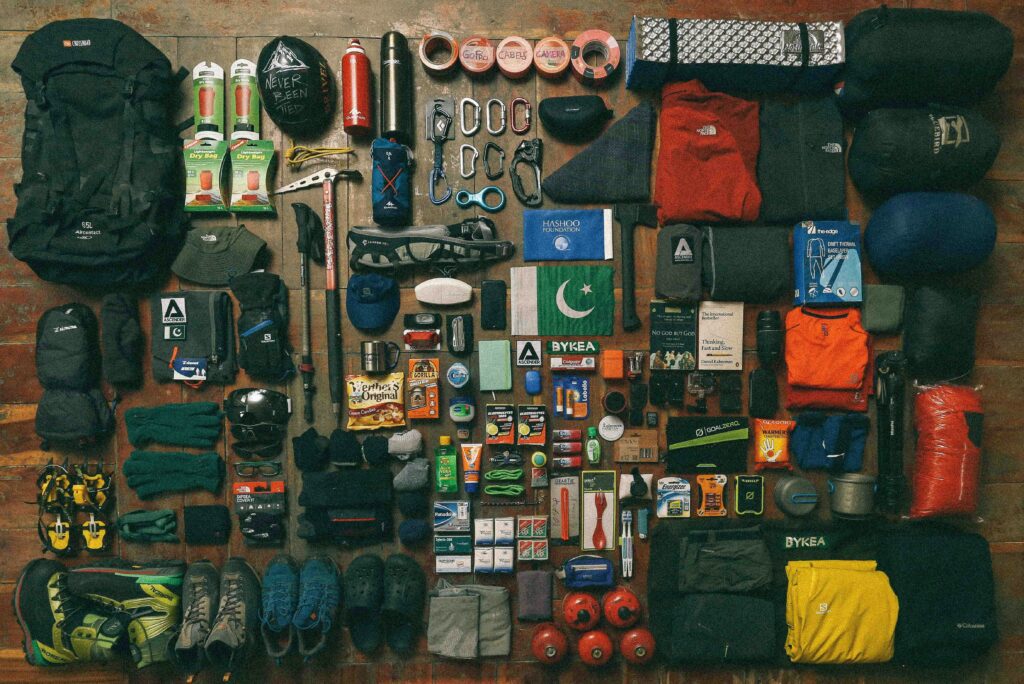
A camp stove opens up hot meals. A cooler keeps food from going bad. Camp chairs save you from sitting on wet logs, which gets old after about four minutes.
Build from the core four as you figure out your style. We’ve got a complete Camping For Beginners guide if you want to dig in.
Your Sleeping Pad Is Doing More Than Your Sleeping Bag
Most beginners blow their budget on a sleeping bag rated to 20°F and grab whatever pad is cheapest. I get the logic, but it’s backwards. Your bag insulates from above. Below you, the fill compresses under your body weight and loses almost all its loft, which is where the pad takes over.
Ground temperatures at night pull heat out faster than cold air does. A pad with an R-value of 3 or above handles three-season camping. Below that and you’ll feel cold spots by 2 AM even in summer, especially on bare ground or rock. I skipped mine on trip two. Figured grass would be soft enough. Three hours of sleep, hip pain for a week, lesson learned permanently.
A self-inflating pad like a Therm-a-Rest BaseCamp runs $120 to $160, depending on size, and solves the problem completely for car camping. Inflatable pads from Nemo are more comfortable but cost more and can puncture, which is why you always carry a patch kit.
Size Up Your Tent
A two-person tent fits two sleeping pads and that’s about it. Your pack goes at your feet, your boots end up somewhere near your face, and if you need to change clothes, you’re doing this awkward rolling thing that gets old immediately.
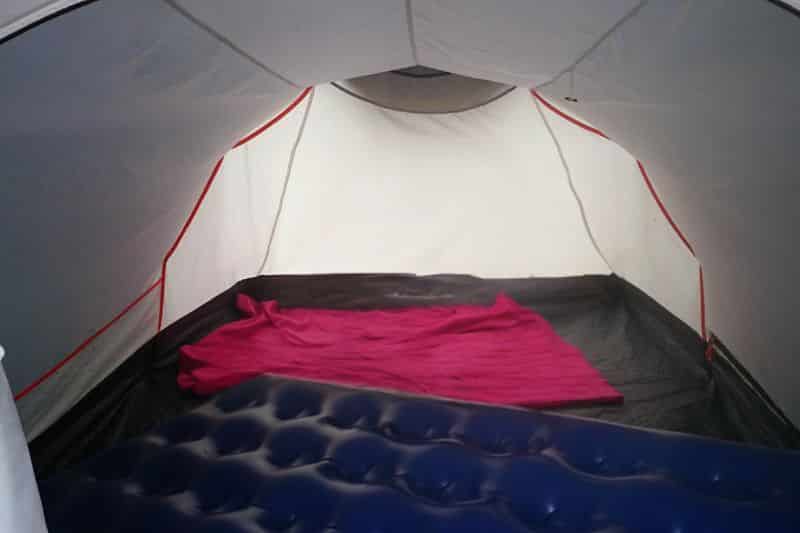
Manufacturers measure capacity by how many pads fit on the floor, which tells you almost nothing about whether you can actually exist in there. Go one size up. Three-person for two people, six-person for a family of four. You’re driving to the campsite anyway so the extra weight is irrelevant.
The rain fly is the part most people don’t think about until it’s raining. A full-coverage fly that reaches the ground on all sides works. A partial-coverage fly that only covers the top does not, and a surprising number of budget tents come with exactly that. Look for a vestibule too, even a small one. It gives you somewhere to stash muddy boots outside the door so your sleeping area stays dry.
Keep Food Simple
Cold air and activity burn through calories faster than you’d expect. Your appetite at camp will surprise you. Pack about 30% more food than a normal day at home, and you’ll probably still wish you’d brought snacks.
Oatmeal packets for breakfast. Sandwiches and trail mix midday. Pasta with jarred sauce for dinner. One pot, ten minutes, done.
Take a look at these easy camping meals if you’re out of ideas.
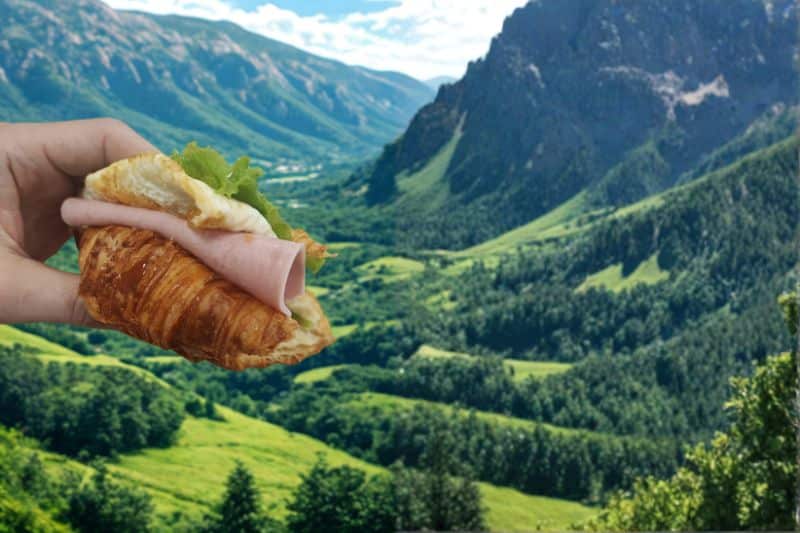
It’s always funny to see first-timers show up with cast-iron skillets and raw steaks, then spend two hours cooking while the sun dropped and their tent sat in a heap on the ground. That’s a trip two move, maybe trip five.
Prep at home. Chop vegetables beforehand, bag your coffee grounds, transfer eggs to a screw-top container. They will crack in the carton during the drive. Every time.
Lock Your Food in the Car
Bears are rare at established campgrounds but the smaller animals cause more day-to-day problems anyway. Chipmunks and jays are relentless, and squirrels will chew straight through a plastic grocery bag in the time it takes you to walk to the bathroom and back.
Block ice in a cooler keeps perishables cold for a solid 48 hours, sometimes longer if you do it right. Cubed ice melts too fast to be worth it for anything beyond drinks. One trick that took me some time to figure out: pre-chill the cooler overnight with a sacrificial bag of ice, dump it in the morning, then load your block ice and food into an already cold box.
When you’re not actively cooking or eating, food goes in the car. Toothpaste and sunscreen too. Raccoons don’t distinguish between a bag of trail mix and a tube of Colgate, they’re following scent and they will investigate both.
Your First Night Will Sound Like a Horror Movie
Woods are loud after dark. Weirdly loud. Leaves crunching, branches snapping, something shuffling through brush just close enough that your brain fills in the most alarming explanation possible.
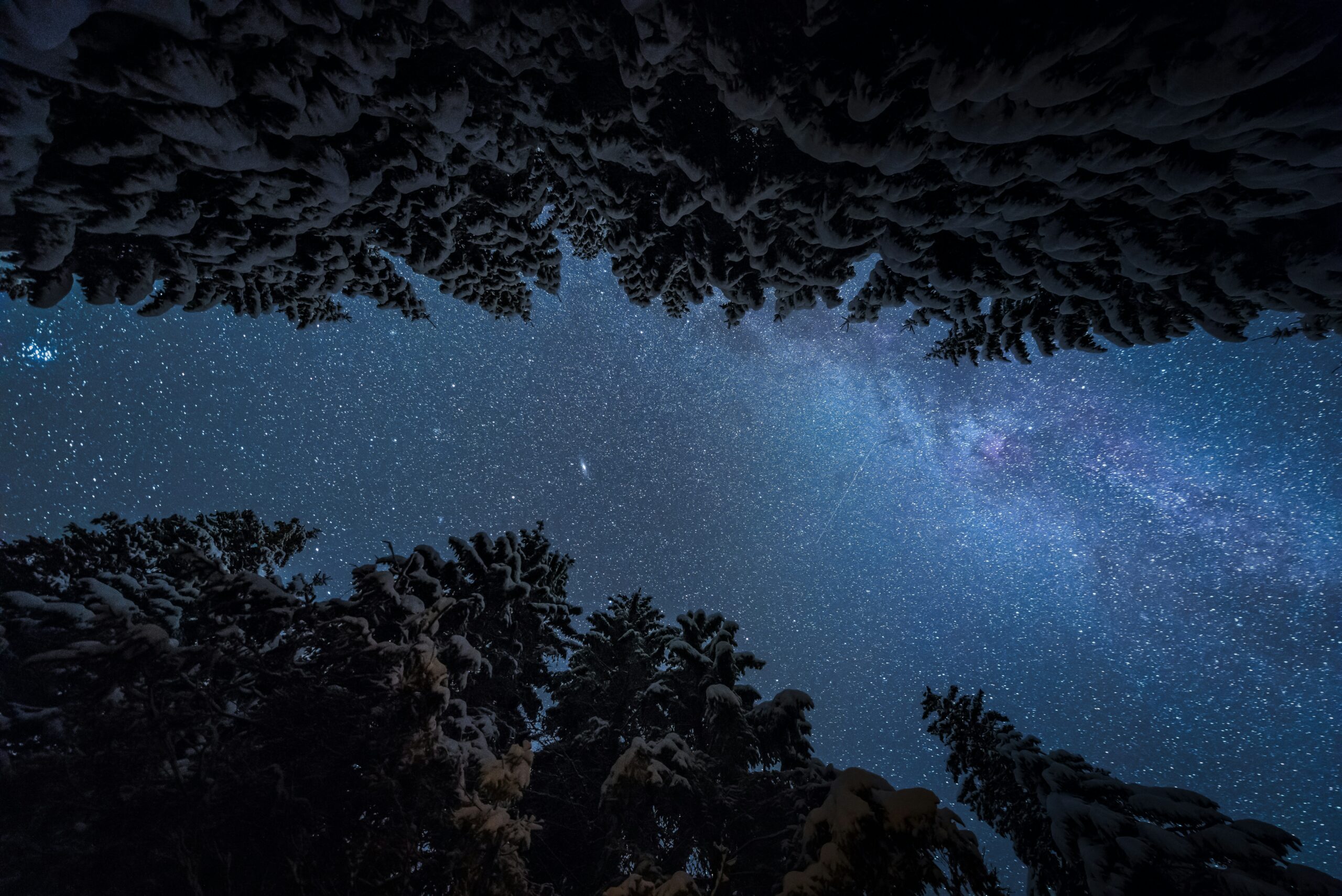
Raccoons. It’s almost always raccoons. Deer stepping on dry sticks. Owls calling from closer than you’d expect. Wind moving through trees does this thing where it sounds exactly like approaching footsteps, which is a fun discovery to make alone in a tent at midnight. Earplugs help if you sleep lightly.
You’re Allowed to Go Home
I have packed up a campsite at 11 PM because the rain was so bad that water was pooling under the tent floor. Shoved everything wet into the trunk. The tent stayed damp in there for two days because I forgot to pull it out, which is a separate mistake.
Went back out two weeks later and it was fine. Good, actually. The point is that staying would not have fixed anything. Your first few trips are not the time to test your tolerance for suffering.
That comes later, if you want it to, once you know the difference between a bad setup and genuinely bad conditions.
Trip Two Is Where It Clicks
That first trip is basically a dress rehearsal where everything takes twice as long as it should and you spend half the night wondering if the tent is supposed to make that sound. By the second one you’ve got actual data to work with.
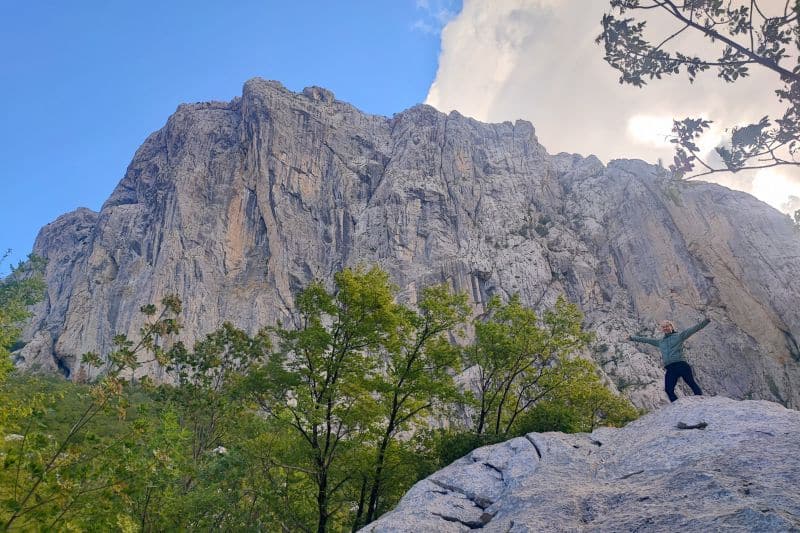
You know that three changes of clothes for one night is absurd and that the cheap headlamp from the gas station dies in two hours when it’s cold out.
You know the sleeping pad does more for your comfort than the sleeping bag and that camp coffee tastes terrible no matter what system you use, but you drink it anyway because you’re outside and it’s morning and somehow that’s enough.
Some people come back from trip two wanting to go for a full weekend instead of just one night. That’s the shift. It doesn’t go back.