


Choosing the right hiking footwear is important, especially when it comes to barefoot hiking shoes. These minimalist boots allow your feet to move naturally and feel the terrain more clearly.
In this article, I’ll go over the top barefoot hiking boots and explain what makes them stand out. I’ll also share tips on how to choose the best pair for your hikes.
2026 Update: we revisited these top picks to see how they stand up against the latest minimalist releases. While the market has seen many new arrivals, some pre-2026 boots continue to lead the pack in durability, ground feel, and biomechanical health. We have filtered out the fleeting trends to focus on the footwear that truly supports a natural gait over long distances.
Key Features to Consider When Choosing Barefoot Hiking Boots:
- Minimalist Design: These boots are lightweight and flexible, allowing your feet to move naturally. The benefit for you is that you can walk more freely and feel the ground beneath you, which adds to your hiking experience.
- Improved Ground Sensitivity: With a thinner sole, you can feel the terrain more closely. This makes hiking more exciting and helps your feet react to the ground with better balance and control.
- Breathability and Comfort: Many barefoot hiking boots come with breathable materials that keep your feet cool and dry. This is perfect for long hikes, keeping you comfortable as you trek through different terrains.
To identify the top 8 barefoot hiking shoes, we tested 19 models, evaluating them on varied terrains like rocky, muddy, and gravel paths, and under different weather conditions. Our tests, supported by independent experts, assessed break-in time, fit, ground feel, flexibility, and breathability. After averaging the scores, we included user feedback and warranty policies to finalize our recommendations.
Learn more on how we test and evaluate our shoes.
EDITOR’S CHOICE
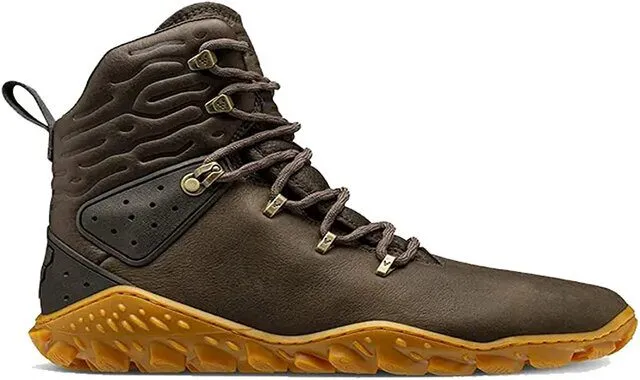
Vivobarefoot Tracker Forest
#2ND BEST CHOICE
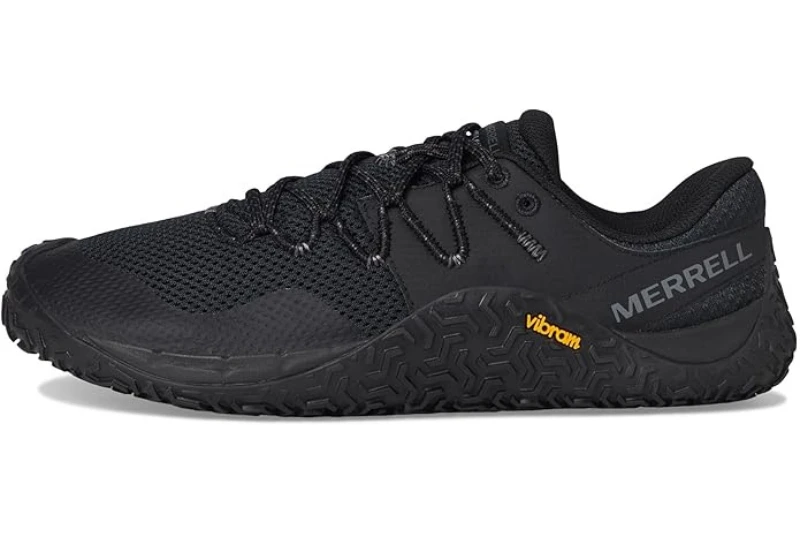
Merrell Trail Glove 7
#3RD BEST CHOICE
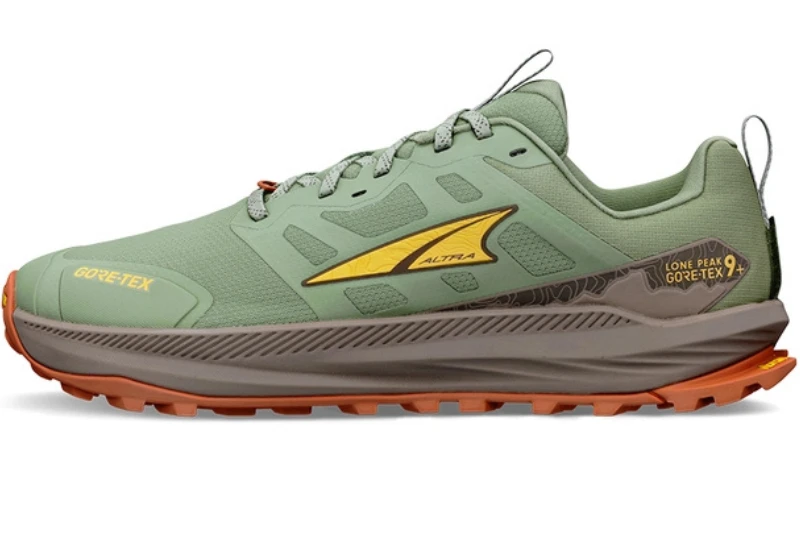
ALTRA Lone Peak 9+
Our Top Recommended Barefoot Hiking Boots of 2026
1) Vivobarefoot Tracker Forest Esc
The leather uppers are soft and bend naturally, conforming to your foot’s anatomy, and the sole has just the right thickness to reduce fatigue on rocky trails.
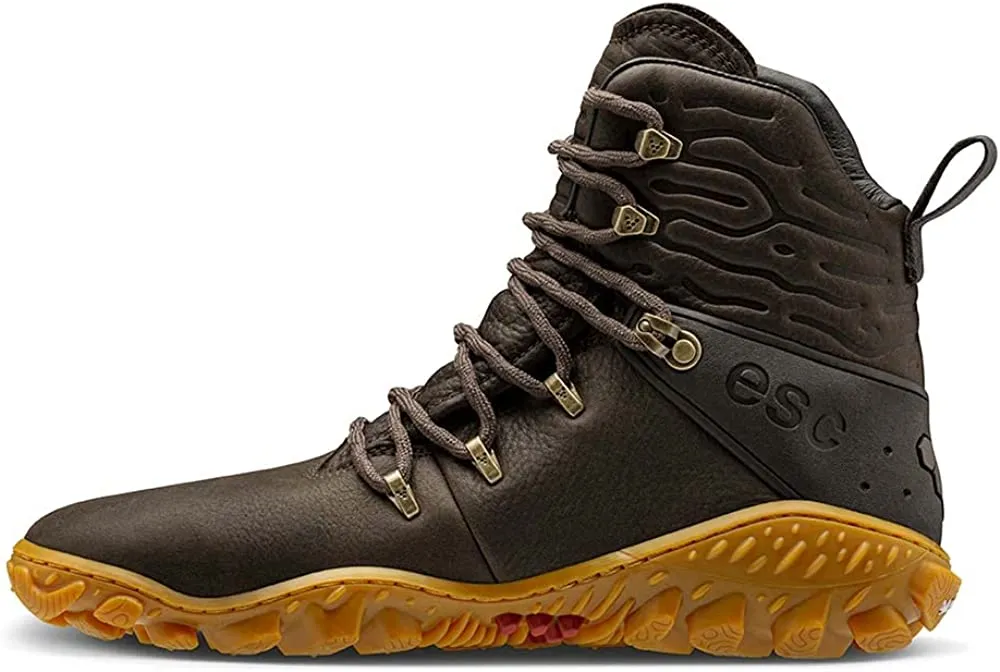
The Vivobarefoot Tracker Forest Esc skillfully blends a simple hiking boot look with a tough sole made with Michelin. It works well on easy paths and rougher ground.
After a few hours, the boots molded to my feet. They became almost like trail shoes – very light and super comfortable.
These boots aren’t 100% waterproof because there’s no waterproof lining, but they still do a good job at keeping water out.
Having used the Tracker Forest Esc myself, I can vouch for the leather’s natural resistance to water. Additionally, the seam-sealed inner bootie robustly defends against moisture, ensuring dry feet even when traversing rainy or snowy landscapes.
However, I would advise against attempting to cross streams in these boots, as there’s a significant risk of ending up with wet feet.
On the good side, the Tracker Forest Esc is a boot that offers good ankle support and is also breathable, so you won’t experience sweaty feet during your adventures.
Specifications
- Weight (pair): 2 lb. 6.8 oz.1.1 kg (men’s 10)
- Waterproof: Water resistant
- Upper Material: Wildhide leather
PROS
CONS
2) Merrell Trail Glove 7
Merrell finally listened. The Trail Glove 7 ditches the aggressive arch and cramped midfoot that made version 6 such a disappointment for barefoot runners.
This shoe feels like an apology letter to everyone who loved the earlier Trail Gloves. The wider midfoot actually lets your foot sit naturally, and the reduced arch won’t dig into your sole after a few miles.
I put these through their paces on mixed terrain over several weeks. The 14mm stack height provides enough cushion for longer days while still letting you read the trail beneath you. Not quite Vapor Glove territory for ground feel, but close enough for most minimalist runners.
The Barefoot 2 construction gives your toes room to spread. My fellow testers with wider feet felt at home immediately.
One gripe. The recycled rubber is environmentally friendly, but maybe not your wallet’s best friend if you’re logging serious distance.
Also worth noting that the tongue isn’t fully gusseted. Pebbles and dust find their way in on loose trails. Minor issue, but it adds up on dusty descents.
Sizing runs large. Go half a size down.
Specifications
- Weight (pair): 17.4 oz.493 g (men’s 10)
- Waterproof: No
- Upper Material: 100% recycled mesh
PROS
CONS
3) ALTRA Lone Peak 9+
The Lone Peak series keeps earning its reputation among thru hikers, and version 9+ upgrades the outsole to Vibram Megagrip for improved durability.
I put serious miles on the Lone Peak 8 before testing these. Loved the comfort, but the MaxTrac outsole wore down faster than I wanted. The 9+ with Vibram Megagrip should hold up significantly longer on abrasive terrain.
During our tests on wet roots, greasy rock slabs, and loose scree, the Vibram outsole inspired confidence. However, the grip difference over the improved MaxTrac on the standard 9 felt subtler than expected. Where you’ll really notice the upgrade is longevity.
Comfort remains the signature Lone Peak experience. Ready to hike out of the box with that generous toe box letting your feet move naturally. The updated upper fits the midfoot more forgivingly than the 8, which squeezed some users uncomfortably.
The zero drop platform promotes a barefoot feeling, though the 25mm stack height adds more cushion than minimalist purists typically want. For hikers transitioning from traditional footwear or those who prefer some protection underfoot, that extra foam is a welcome compromise.
Trade offs exist though. While testing, these felt noticeably heavier than earlier Lone Peak versions at around 11 ounces310 gram per shoe. The Vibram outsole also adds a touch of stiffness underfoot. The roomier fit caused heel slippage on steep descents. Lace them tight if you have narrower feet.
For the full scope, see our complete Altra Lone Peak 9 Review.
Specifications
- Weight (pair): 11.55 oz.327 g (men’s 10)
- Waterproof: Available in waterproof version
- Upper Material: 100% recycled ripstop mesh
PROS
CONS
4) Xero Shoes TerraFlex II
They are lightweight and come with a mesh upper that provides good ventilation even when your feet begin to swell from too much walking.
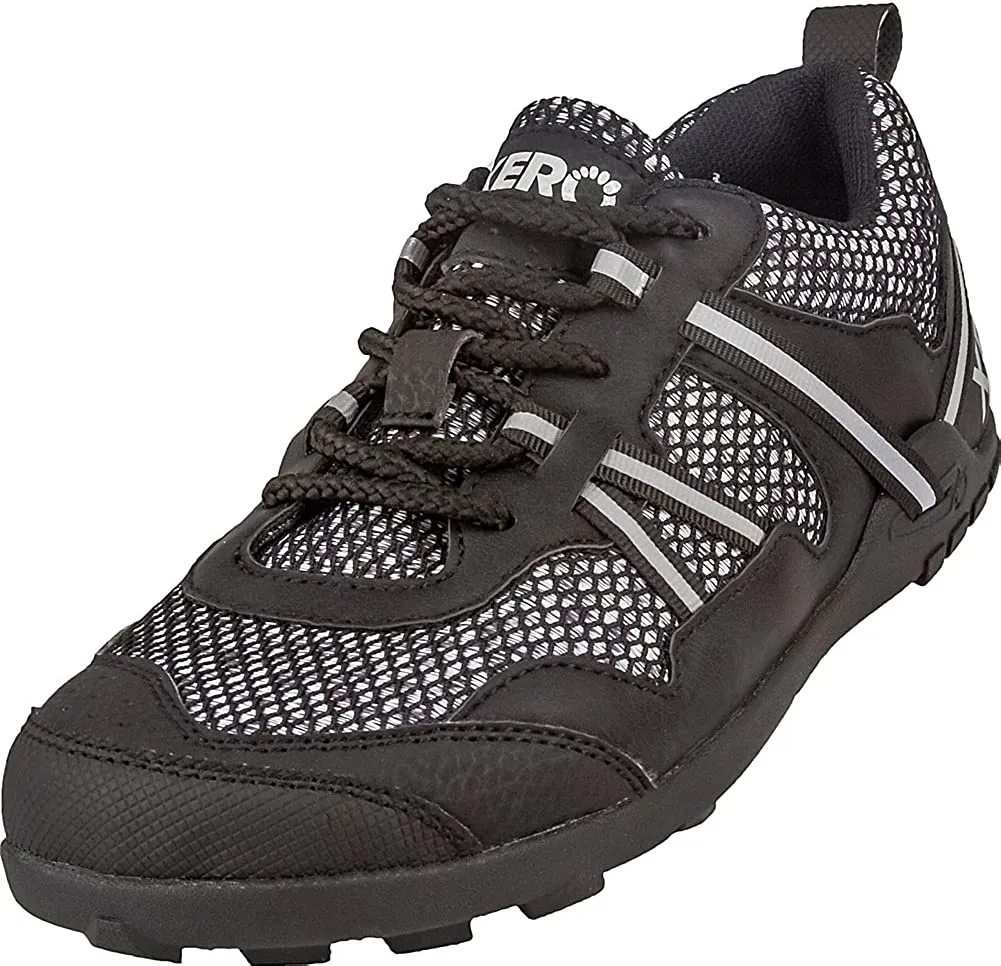
The TerraFlex by Xero Shoes, a low-cut model, ranks among the top choices for minimalist hiking footwear, especially in warmer climates.
During a half-day hike in these minimalist boots, I observed that the sole’s padding is sufficient for easing into barefoot walking. It’s less cushioned compared to traditional hiking boots, though.
The additional padding in these shoes was just right for me. Moreover, they come equipped with optional insoles for those who prefer extra comfort while their joints adapt to the new walking style.
Unfortunately, the Xero Shoes TerraFlex doesn’t offer waterproof protection, meaning stepping into deep puddles will result in wet feet. However, based on my experience, these barefoot boots offer ample ventilation, allowing them to dry out quickly on a sunny day.
If waterproof is something you look into, check the other models or our guide where we review and compare the best waterproof hiking boots.
Specifications
- Weight (pair): 14 oz.397 g (men’s 10)
- Waterproof: no
- Upper Material: Mesh and synthetic
PROS
CONS
5) WHITIN Minimalist Trail Runner
Equipped with toe bumper protection and a vegan-friendly synthetic upper, these barefoot boots performed well on my durability tests, showing minimal abrasion marks at the end of the hike.
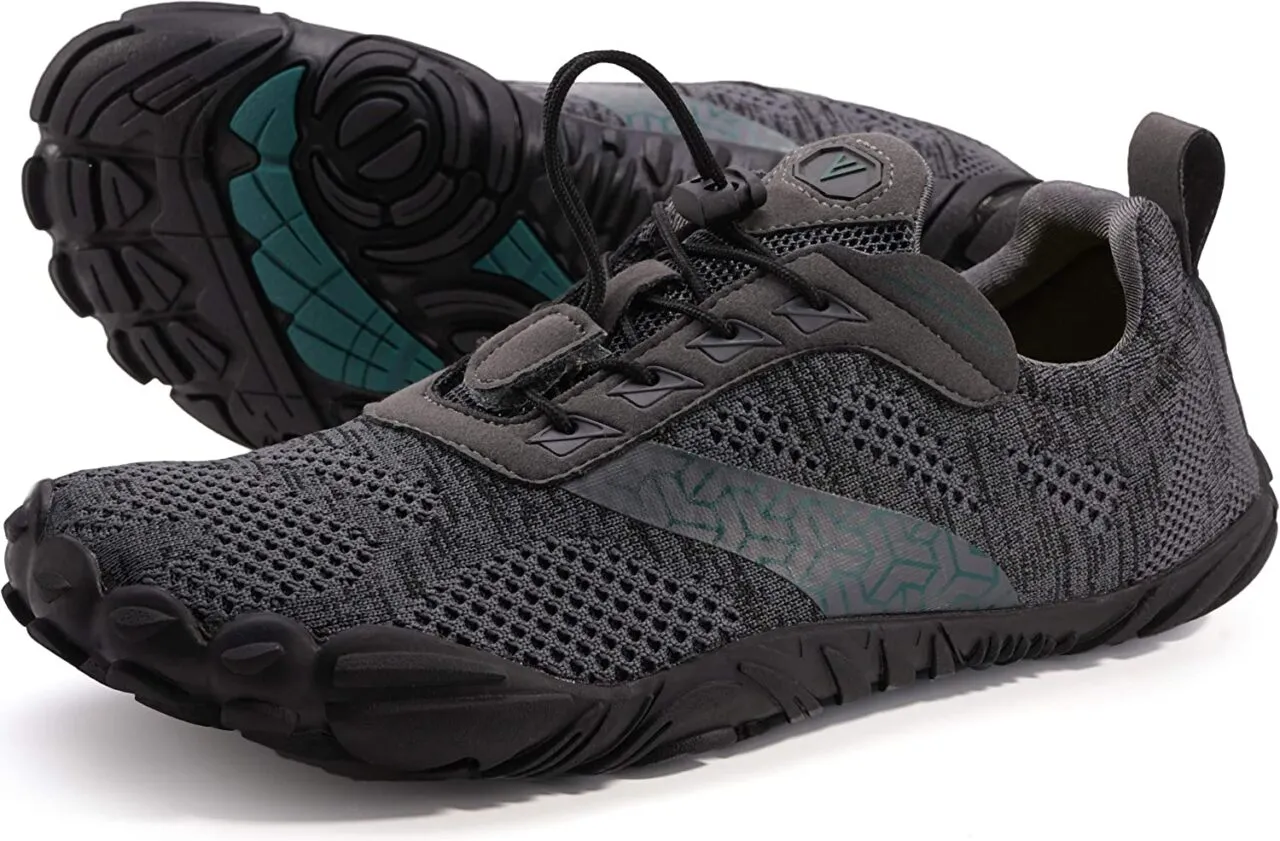
The WHITIN Minimalist Trail Runner offers an excellent balance of affordability, superior grip on rugged terrains, and a minimalist design, making them a perfect choice for those preferring a non-elevated shoe model.
I found the insoles slightly harsh, but this issue was easily mitigated by wearing thicker socks.
The spacious toe box provided great comfort, although it might feel excessively roomy for those with narrower feet. In such instances, opting for a half-size smaller could be a good solution.
I would have preferred if these barefoot hiking shoes featured a waterproof membrane, which would extend their utility into the autumn season. However, the breathable uppers and their quick-drying ability somewhat compensate, especially if you happen to step into a puddle.
Specifications
- Weight (pair): 1 lb. 7.2 oz658 g (men’s 10)
- Waterproof: no
- Upper Material: Synthetic fabric
PROS
CONS
6) Lems Boulder Boot
If you plan on taking a hike during the colder months, these Lems Boulder boots designed with leather uppers and zero-drop soles will offer you the extra warmth you need.
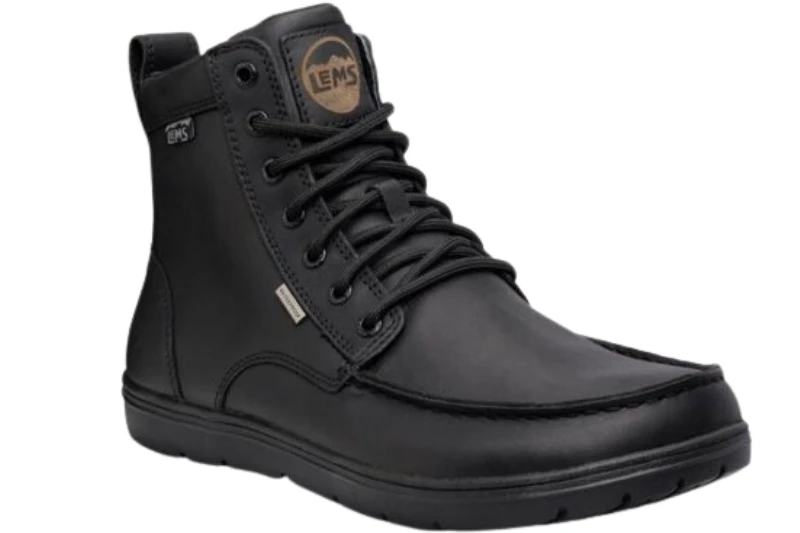
These minimalist hiking shoes, despite being on the pricier side, are among the most comfortable with virtually no need for a break-in period.
As someone with wide feet, I instantly recognized the superiority of a genuinely wide toe box that allows for a natural, neutral toe position, compared to a standard one.
The PU insole, designed to wick away moisture, provides extra comfort, especially for those adjusting to a zero-drop shoe. However, I chose to remove them after a few days as they seemed to reduce the barefoot sensation in my Boulder boots.
While I was impressed with the lightweight nature of these minimalist hiking shoes, my experiences on tougher terrains suggested that the IBR outsole isn’t quite aggressive enough for serious hiking endeavors.
These barefoot hiking boots are better suited for trail running or trekking on easier trails, rather than challenging hiking routes.
Specifications
- Weight (pair): 13 oz369 g (men’s 10)
- Waterproof: Yes
- Upper Material: Leather + 1200 denier nylon
PROS
CONS
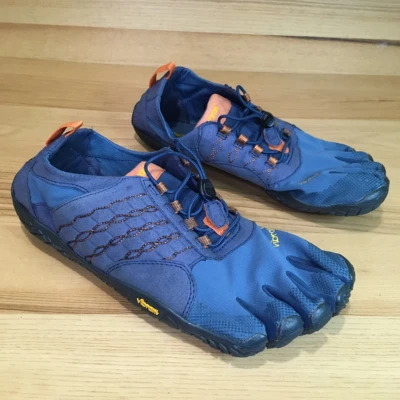
7) Vibram FiveFingers Trailope
Toe shoes on serious trails. Sounds like a recipe for bruised feet and regret. The Trailope surprised me.
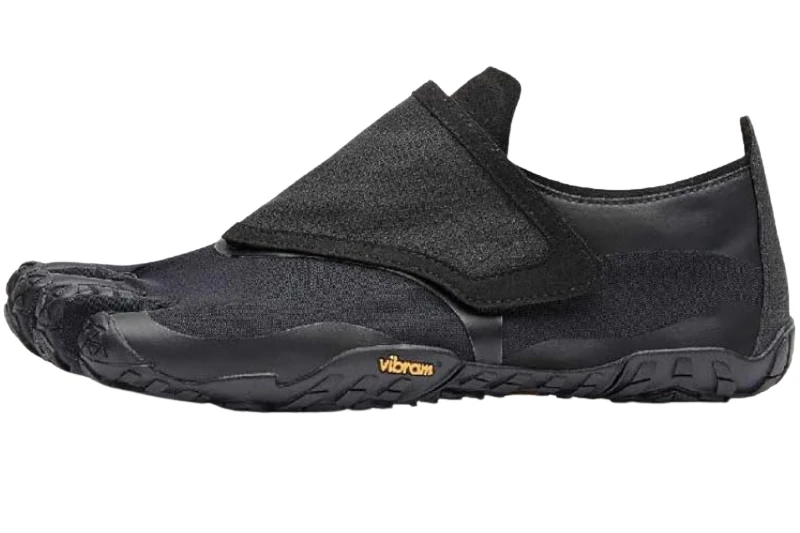
That Cocoon 3D layer changes everything. It’s a flexible wire mesh embedded in the sole that disperses impact from sharp rocks without making the shoe feel like a rigid plate. You still sense the terrain. You just don’t pay for it with purple toenails afterward.
During testing on rocky scrambles where I’d normally reach for something burlier, the Megagrip rubber delivered tenacious traction on wet roots and loose rock. At around 6 oz.170 gram per shoe, they feel almost nonexistent on your feet.
The wing-shaped overlay actually keeps debris out. Previous FiveFingers models let every pebble and twig inside. This design works.
Fit remains the eternal FiveFingers challenge. The big toe pocket runs tight with less forgiving material than older models. Give them time to stretch. Your V Trail size probably won’t match your Trailope size. Measure carefully and accept some trial and error.
Initial stiffness fades after a few wears. The dual lacing system with speed laces and a Velcro strap locks your foot down on steep terrain better than any toe shoe I’ve used.
Specifications
- Weight (pair): 12.2 oz346 g (men’s 10)
- Waterproof: No Upper
- Material: Breathable polyester mesh
PROS
CONS
8) SAGUARO Barefoot Shoes
Not everyone wants to drop serious money on their first minimalist shoe. The SAGUARO makes a compelling case for starting cheap.
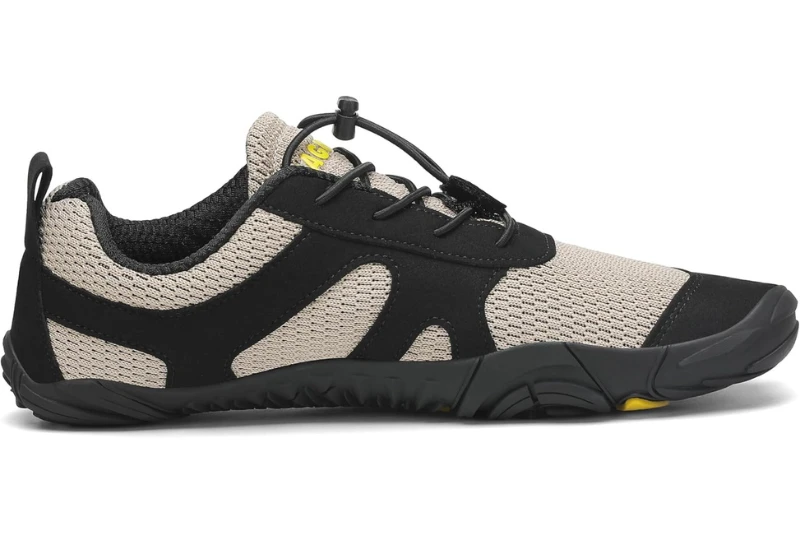
The 6mm stack height with the 4mm insole in gives beginners enough cushion to ease into minimalist footwear without shocking their feet. Pull that insole out, and you get closer to true ground feel. This is a nice option for folks still figuring out where they land on the barefoot spectrum.
The wide toe box lets your toes spread naturally. My feet felt unrestricted without swimming around inside the shoe. Works surprisingly well as a gym shoe, light trail runner, or even a water shoe when creek crossings are inevitable.
Reality check, though. You get what you pay for. During our tests, the upper material started showing wear, and the soles broke down faster than premium options. These won’t survive aggressive trail use or high mileage.
Also, sizing runs inconsistently across SAGUARO models. Measure your feet carefully and maybe order two sizes to compare.
Specifications
- Weight (pair): 14 oz397 g (men’s 10)
- Waterproof: No
- Upper Material: Breathable mesh
PROS
CONS
How To Choose Barefoot Hiking Boots
Let’s dive into our testing procedure and see why we chose these 8 shoes as being the best minimalist hiking shoes in 2026.
1. Material
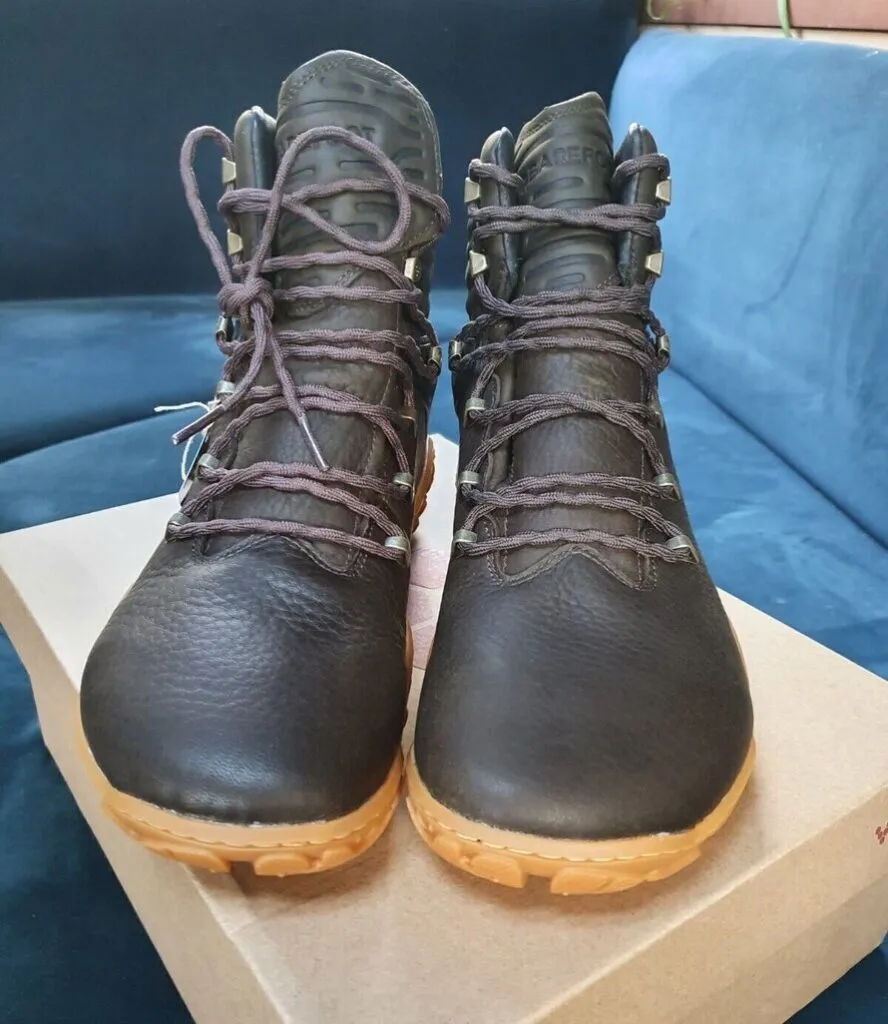
Material is crucial in minimalist hiking shoes because it determines the level of comfort you will experience while walking on rough terrain.
Materials like high-quality leather, rubber, and mesh are typically used to construct comfortable hiking boots that are durable, waterproof, and airy.
Choosing the right material can help prevent blisters, provide arch support, and give you the stability you need to avoid injuries.
High-quality materials can also improve your grip and reduce the risk of slipping on wet or uneven surfaces.
Among the models on our top, the Vivobarefoot Tracker Forest Esc provides the best balance between material resistance and comfort.
These barefoot hiking boots are equipped with water-resistant leather uppers and have a durable sole that can face even the roughest adventures.
2. Performance
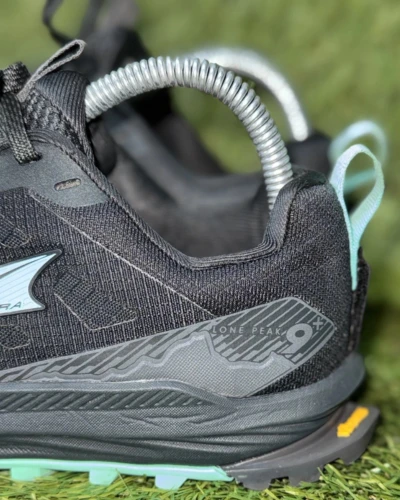
Ideal minimalist hiking shoes need to ensure a firm grip on a variety of terrains, from slick rocks to steep inclines.
They must also provide sufficient ankle and toe protection to comfortably manage long hikes.
When selecting barefoot hiking boots for more demanding trails, it’s crucial to choose a pair that offers good ventilation and fits snugly to avoid chafing.
The ALTRA Lone Peak 9+ stands out in terms of performance.
Equipped with a Vibram Megagrip outsole on the 9+ version and a beefier toe bumper, they are the top choice for dedicated hikers embarking on challenging paths.
3. Cost
Investing in a durable pair of barefoot hiking boots is a cost-effective strategy in the long term.
However, it’s crucial to understand that price shouldn’t be the sole deciding factor.
Striking a balance between affordability and quality is key to ensuring a satisfying hiking experience.
For lighter hiking or daily wear, an economical option like the SAGUARO Barefoot Shoes might suffice. Yet, for more intense outdoor activities, higher-priced gear that provides the necessary comfort and traction is essential.
Next, let’s evaluate which hiking boots excel in terms of comfort.
4. Comfort
Comfort in barefoot hiking boots is crucial as it wards off pain and fatigue, enhancing your hiking journey.
Ill-fitting shoes or those that cause discomfort can lead to calluses or more serious foot injuries.
Such issues can spoil your hiking adventure and may even force you to cut it short.
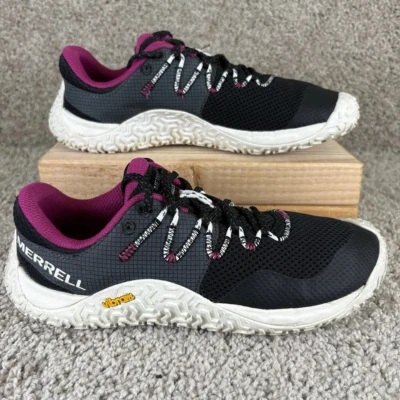
A pair of Merrell Trail Glove 7 that fits well feels akin to a second skin, enabling natural foot movement.
These flexible shoes feature Barefoot 2 construction with a roomy toe box and a wider midfoot than previous versions, letting your foot sit naturally from the first wear.
5. Fit
Barefoot hiking boots differ from traditional ones with their minimalist design and reduced padding.
Incorrectly fitting boots can lead to your feet moving around inside, potentially causing blisters and other foot injuries.
It’s essential to choose barefoot hiking shoes that fit closely but comfortably to ensure a pleasant and safe hiking experience.
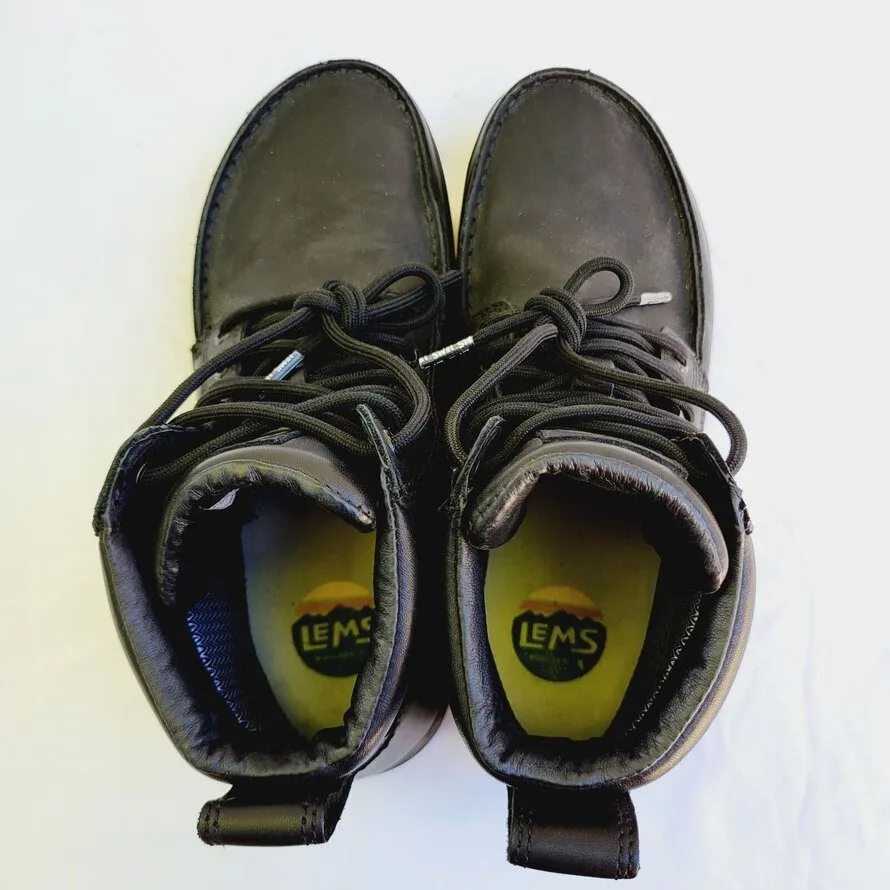
While many of the top models feature a spacious toe box, the Lems Boulder Boots stand out for offering a perfect fit right from the beginning.
The moment you wear them, you’ll appreciate the softness of real leather and the benefit of a truly wide toe box that gives just the right amount of space, making you feel as if you’re walking barefoot.
6. Weight
Heavy boots wear you down. Simple as that. Without all that cushioning to mask the extra load, you feel every gram in minimalist footwear.
Leg fatigue creeps in faster than with traditional hiking boots. I ran into this problem testing some of the bulkier models on back-to-back days.
Ultralight options have their own issues, though. Thinner materials, less protection, shorter lifespan. Worth considering if you chew through rocky terrain regularly.
The Vibram FiveFingers Trailope came in lightest on our list at 12.2 oz. per pair. On technical scrambles where I needed quick foot placement, that lack of bulk made a real difference.
7. Insoles
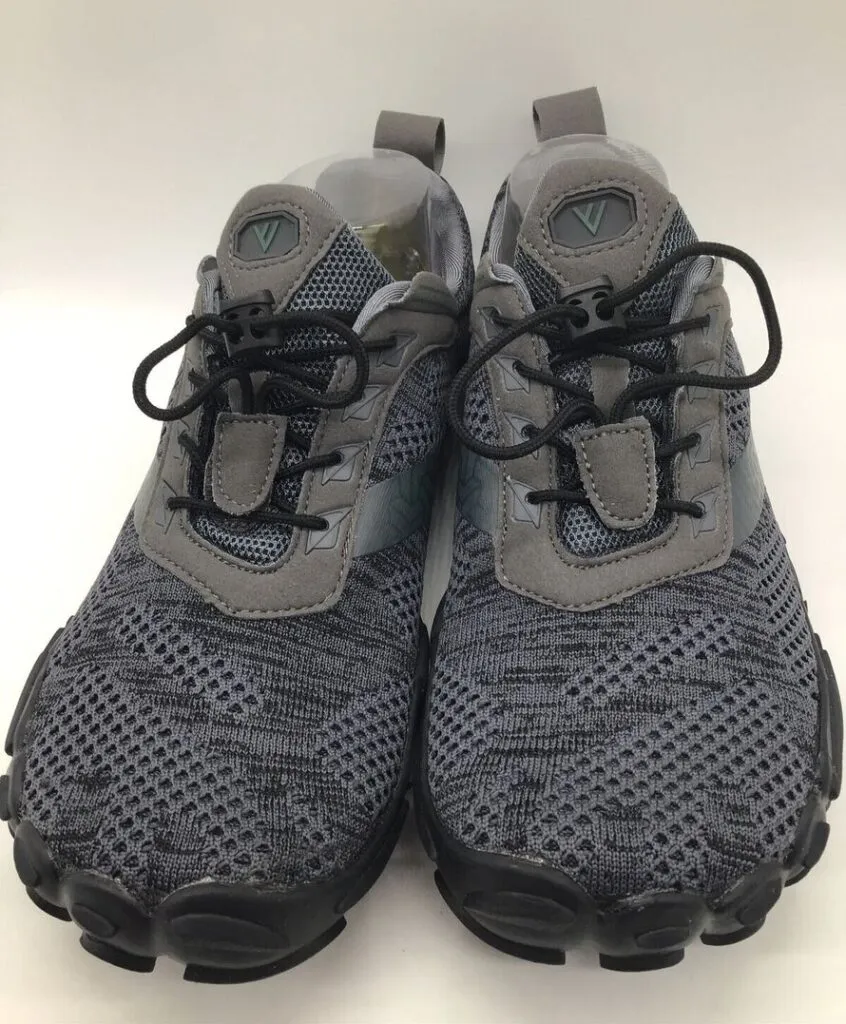
Insoles play a crucial role in barefoot hiking boots by adding extra padding.
They are key in absorbing shock and lessening the impact on your joints, especially while hiking on uneven or stony paths.
In colder conditions, insoles offer additional insulation and warmth, a significant benefit in minimalist hiking shoes that lack the usual padding.
However, be aware that thick insoles might diminish the barefoot sensation, so it’s important to weigh how necessary they are for you.
Thankfully, top barefoot hiking boots like the WHITIN Minimalist Trail Runner feature removable insoles, giving you control over the level of ground feedback.
8. Tread
Effective tread on barefoot hiking boots is crucial for a secure and enjoyable hiking experience. The treads enhance grip, preventing slips and falls, which is particularly crucial on hiking trails to avoid injuries.
Good traction also means you can enjoy the scenery without worrying about losing your footing.
For an exceptional tread pattern, the Vivobarefoot Tracker Forest Esc with their Michelin sole tops our list.
Their deep lugs and appropriate stiffness for rugged terrain ensure these shoes can handle more challenging paths with ease.
9. Toe Protection
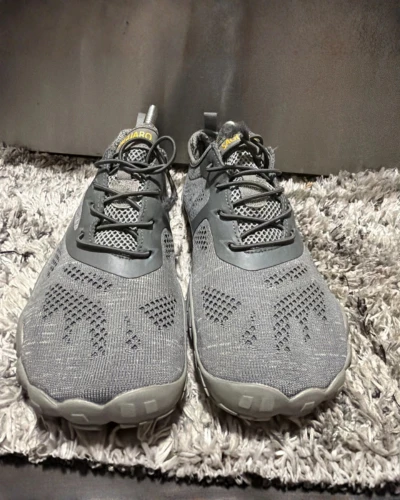
Toe protection helps to safeguard your toes from accidental bumps, scrapes, and injury when trekking on rocky, uneven terrain.
The human foot has over 26 bones, and each one of them is crucial to support our body weight and balance.
Any injury to these bones or toes can lead to severe discomfort and, in some cases, even permanent damage.
The best minimalist hiking shoes for toe protection on our top are the ALTRA Lone Peak 9+, which comes with a beefier toe bumper than previous versions, designed to shield your toes from rocks and other obstacles you may encounter.
10. Ventilation
When you’re hiking, your feet can get sweaty and hot, which can lead to chafing, fungus, and other foot problems.
Ventilation helps prevent these issues by allowing moisture to evaporate and keeping you comfortable.
Good ventilation also prevents odor buildup, so your boots won’t stink.
Usually, barefoot hiking boots that come with a breathable mesh upper are more suitable for the hot summer months.
We experienced the best breathability in the Merrell Trail Glove 7, which features a 100% recycled mesh upper that proved very reliable on long and tiring expeditions.
Plus, the breathable material in the uppers also dries fast, which is another plus if you step into a puddle.
Product Comparison
| Boot | Price Men | Price Women | Best For | Waterproof | Weight (Men’s 10) |
|---|---|---|---|---|---|
| Vivobarefoot Tracker Forest ESC | Check on Amazon» | Check on Amazon» | Rugged trails and natural movement | No | 2 lb. 6.8 oz.1.1 kg |
| Merrell Trail Glove 7 | Check on Amazon» $106 on Backcountry» $155 on REI» | Check on Amazon» $155 on REI» | Versatility and comfort on the trail | No | 17.4 oz.493 g |
| ALTRA Lone Peak 9+ | Check on Amazon» $106 on Backcountry» $155 on REI» $106 on Altra» | Check on Amazon» $106 on Backcountry» $155 on REI» $106 on Altra» | Stability and protection on rocky trails | No (GTX optional) | 11.55 oz.327 g |
| Xero Shoes TerraFlex II | Check on Amazon» Check on eBay» | Check on Amazon» Check on eBay» | Lightweight and agile movement | No | 14 oz.397 g |
| WHITIN Minimalist Trail Runner | Check on Amazon» | Check on Amazon» | Budget-friendly minimalist option | No | 1 lb. 7.2 oz658 g |
| Lems Boulder Boot | $200 on Lems Boulder» | $200 on Lems Boulder» | Everyday wear with minimalist design | Yes | 13 oz369 g |
| Vibram FiveFingers Trailope | Check on Amazon» | Check on Amazon» | Rugged durability with barefoot feel | No | 12.2 oz346 g |
| SAGUARO Barefoot Shoes | Check on Amazon» | Check on Amazon» | Stylish design with barefoot benefits | No | 14 oz397 g |
Barefoot vs Minimalist Shoes vs Zero Drop (Key Differences)
Barefoot Shoes
Barefoot shoes are designed to mimic the feeling of walking or running barefoot. They have little to no padding, a wide toe box, and flexible soles that allow your feet to move and flex naturally.
The idea behind Barefoot shoes is to promote a more natural gait and strengthen the muscles in your feet, which can lead to improved balance.
PROS
CONS
Minimalist Shoes
Minimalist boots are a step up from barefoot shoes, offering some shielding from sharp objects while still allowing for a natural gait and improved foot strength. They’re usually lightweight and flexible, with a better ground feel than traditional shoes.
PROS
CONS
Zero-Drop Shoes
Zero-drop shoes are similar to minimalist footwear but with the added benefit of encouraging a midfoot strike and better alignment. This can help reduce the risk of injuries and improve overall foot function.
PROS
CONS
OutdoorAdept Recommendation
This tough barefoot shoe helped me transition to barefoot hiking without putting too much pressure on my feet thanks to its thicker sole.
After years of putting miles on every pair listed, the Vivobarefoot Tracker Forest Esc remains our premier choice for 2026. Its ability to transition from muddy slopes to rocky peaks while maintaining a high level of sensory feedback is unmatched. If you are serious about moving naturally in the wild, this boot offers the most complete barefoot experience available today.
Even though it isn’t fully waterproof, the Vivobarefoot Tracker Forest Esc performed well in rainy weather. Its Michelin sole offered excellent traction on muddy paths, and the gusseted tongue effectively kept water out.
Combined with a wide toe box and superb ground feel, this hiking footwear strikes the ideal balance between comfort and natural foot movement.
FAQs
Hiking in barefoot shoes can be more demanding, but it is generally safe. You will need to pay more attention to sharp rocks and uneven surfaces, as you will be feeling everything through the thin sole, and you may experience calf pain until you adapt to this type of minimalist shoe.
But if you are not heading out to technical terrain, using them is not risky.
Zero-drop shoes and barefoot shoes are similar but not exactly the same. Zero-drop shoes have a flat sole from heel to toe, unlike traditional shoes with a higher heel, but they may have a cushioned sole, compared to barefoot shoes, which aim to mimic walking barefoot.
While some podiatrists may recommend barefoot shoes for certain individuals, such as those with strong, healthy feet who engage in activities that require a lot of foot strength and flexibility, others may caution against them, particularly for those with foot problems or conditions.
No, minimalist hiking shoes typically do not require a break-in period. Their design focuses on providing immediate comfort and flexibility, allowing hikers to wear them right out of the box without the need for extensive break-in time.
Prices in this article are approximate and updated annually. Check the retailer for current rates.


